
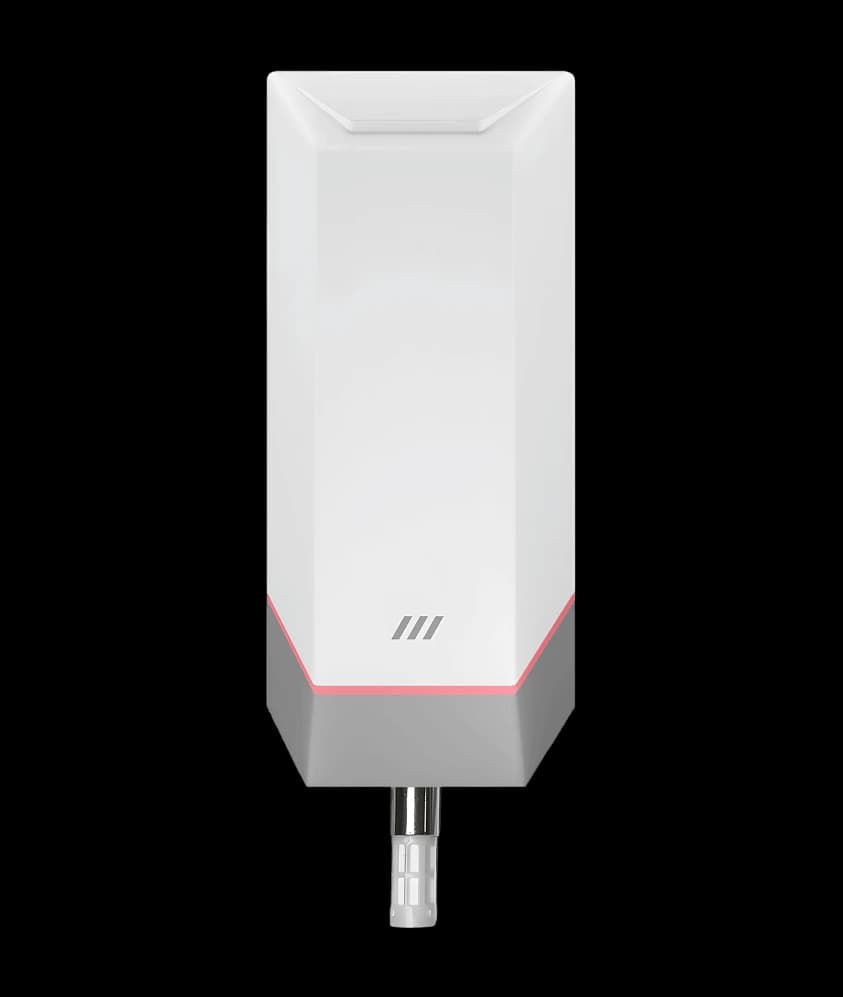
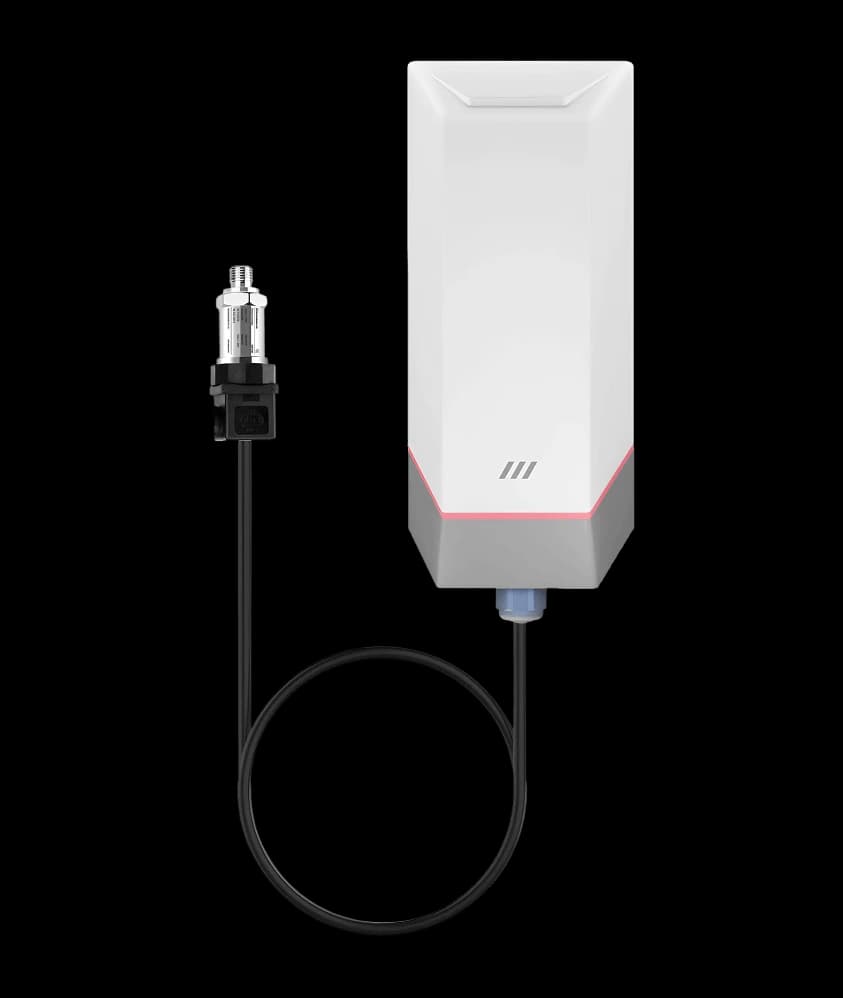
01 · SENSE
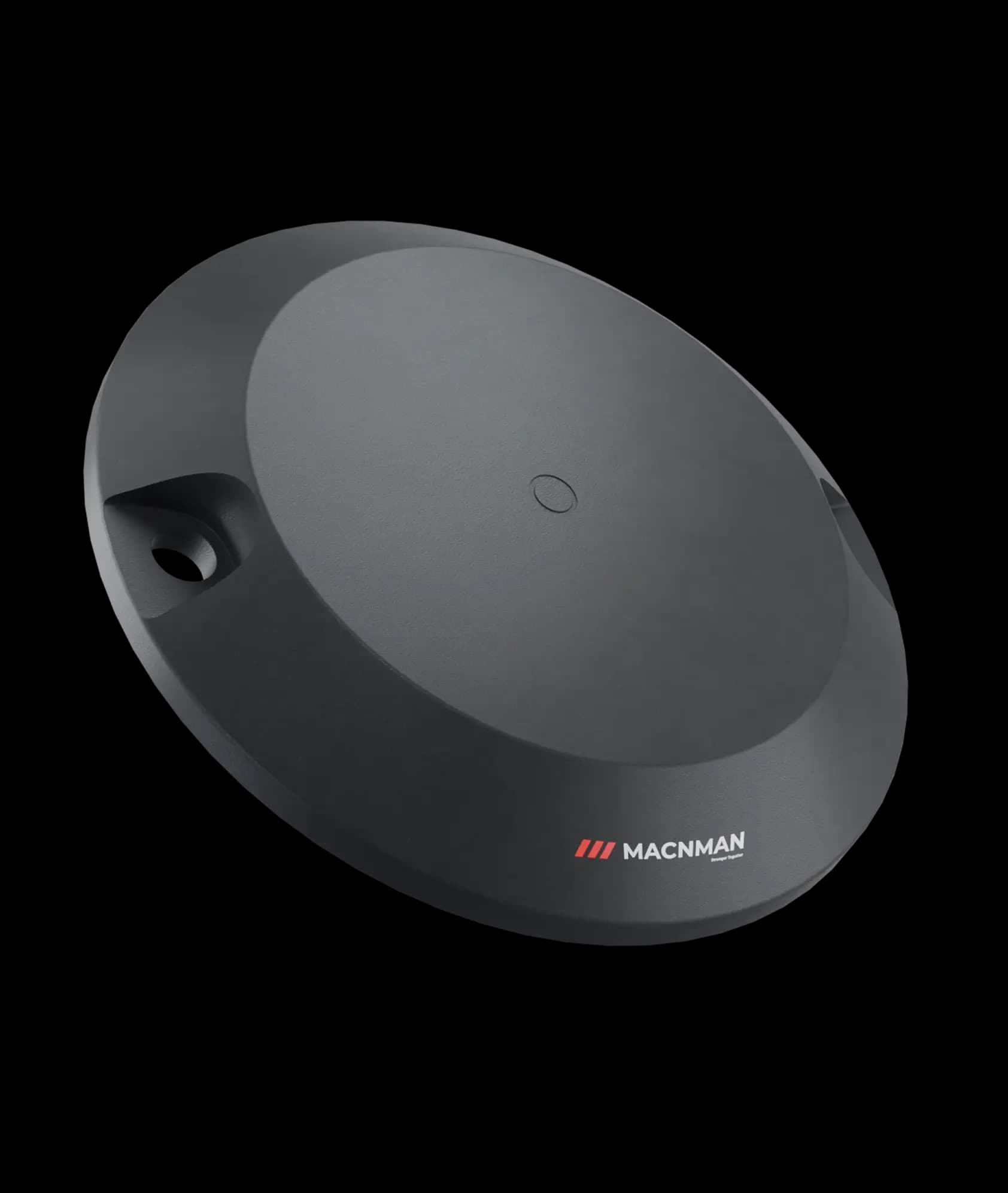

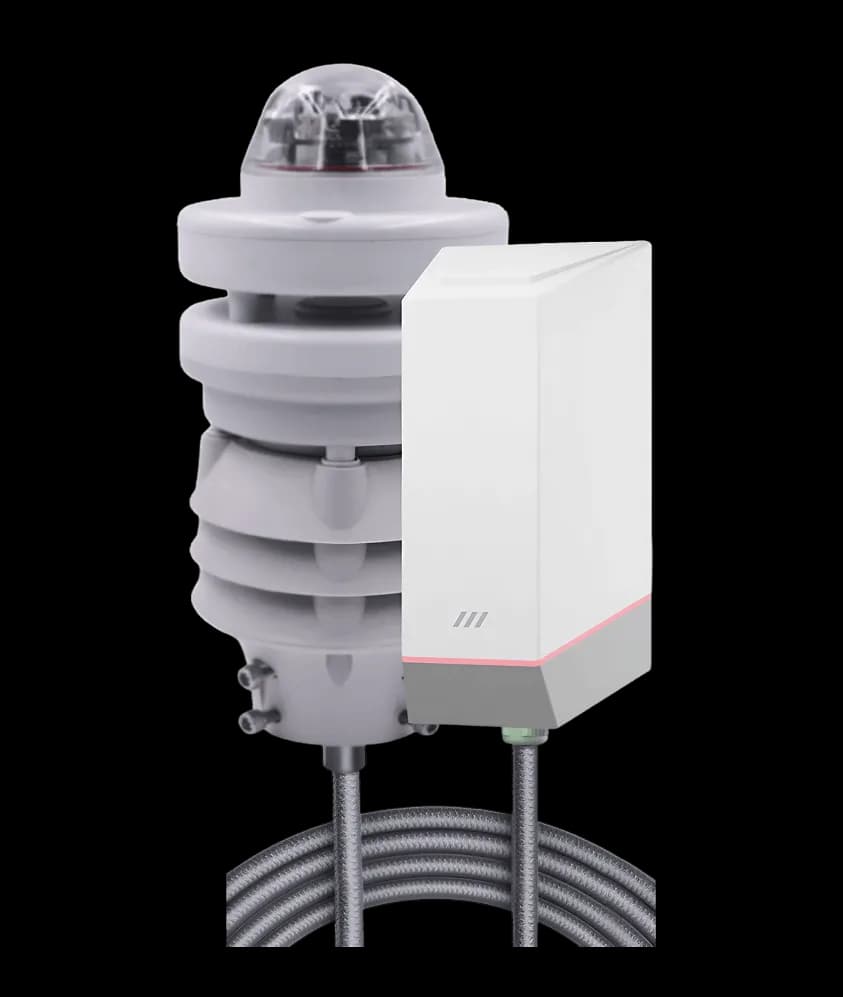
Outdoor sensors
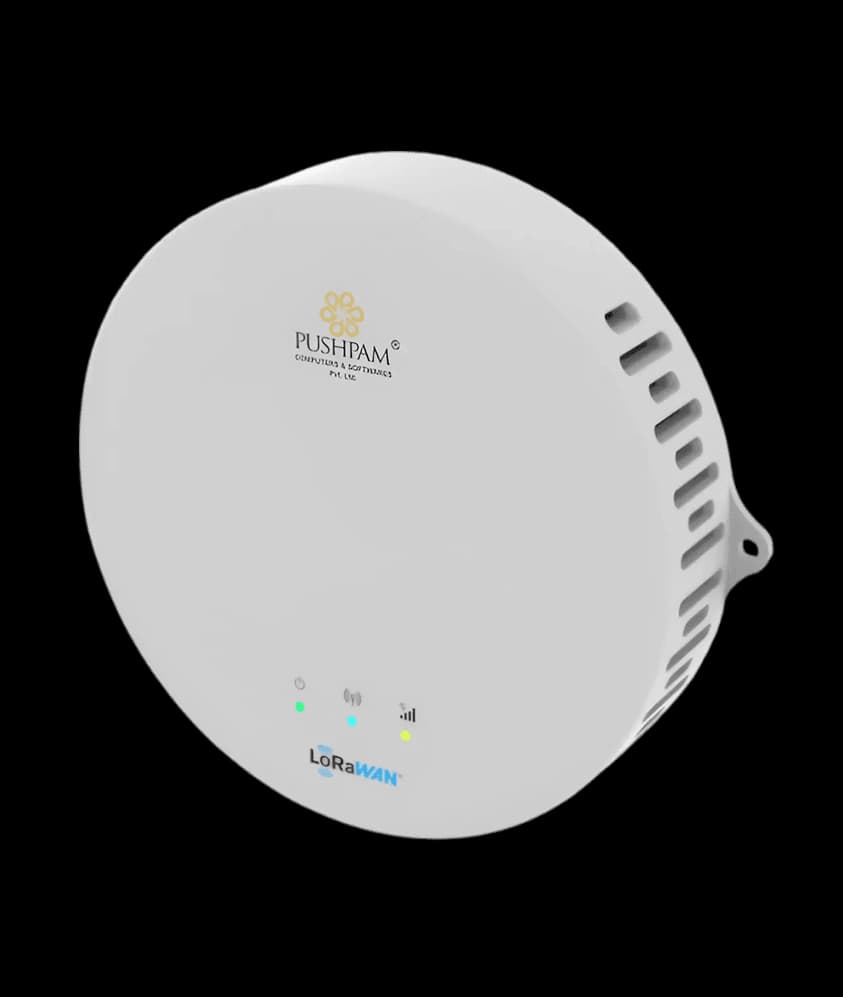
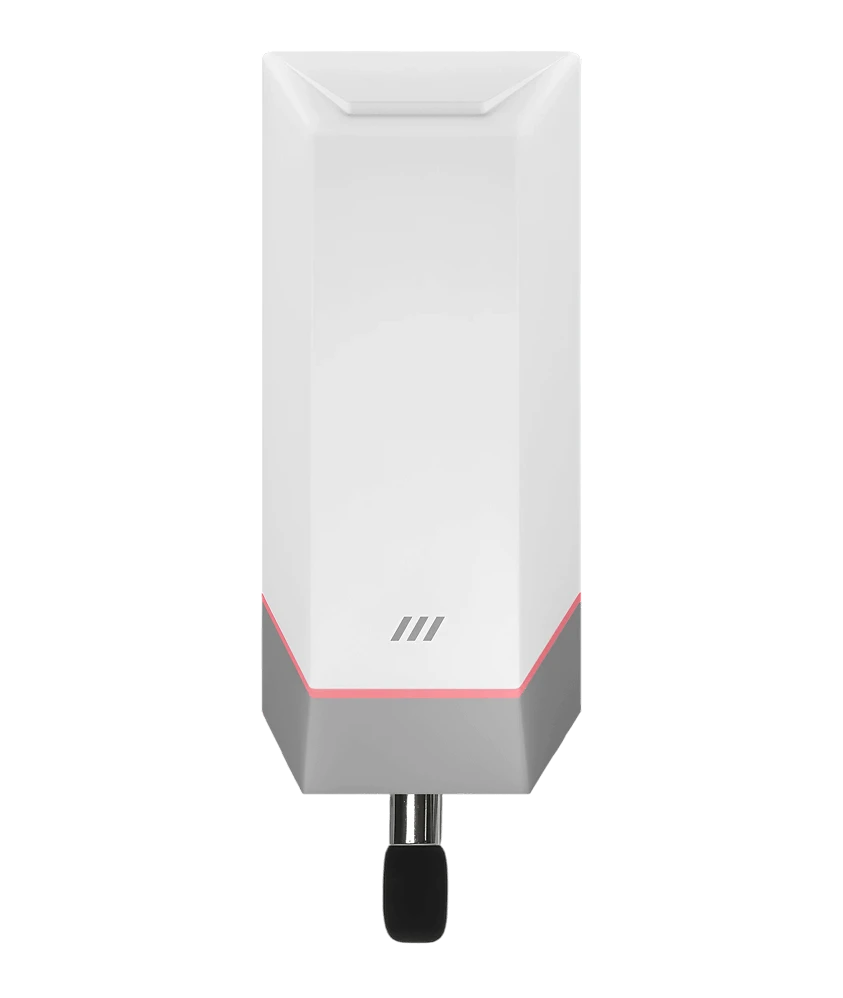
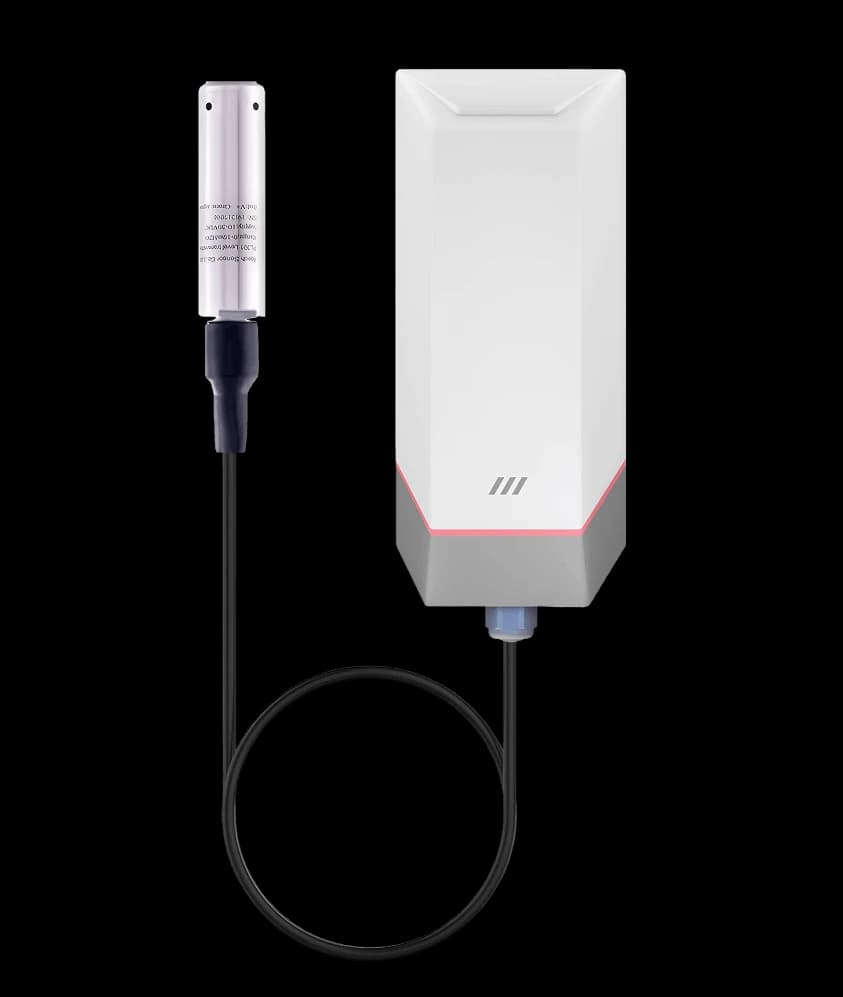
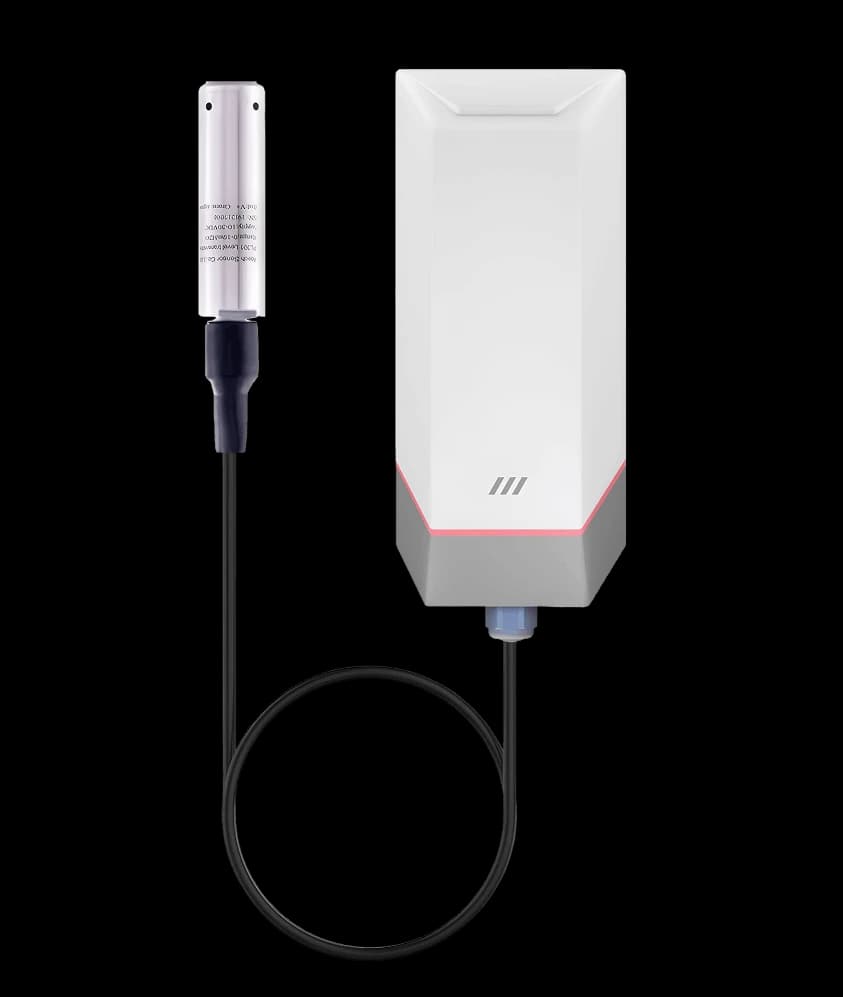
Parking bays, drain and tank levels, rainfall, noise, CO₂ and odor gases, each on a battery that lasts for years and in an enclosure built for the street.
- IP67 / IP68
- −40 °C to +80 °C
- Up to 10-year battery
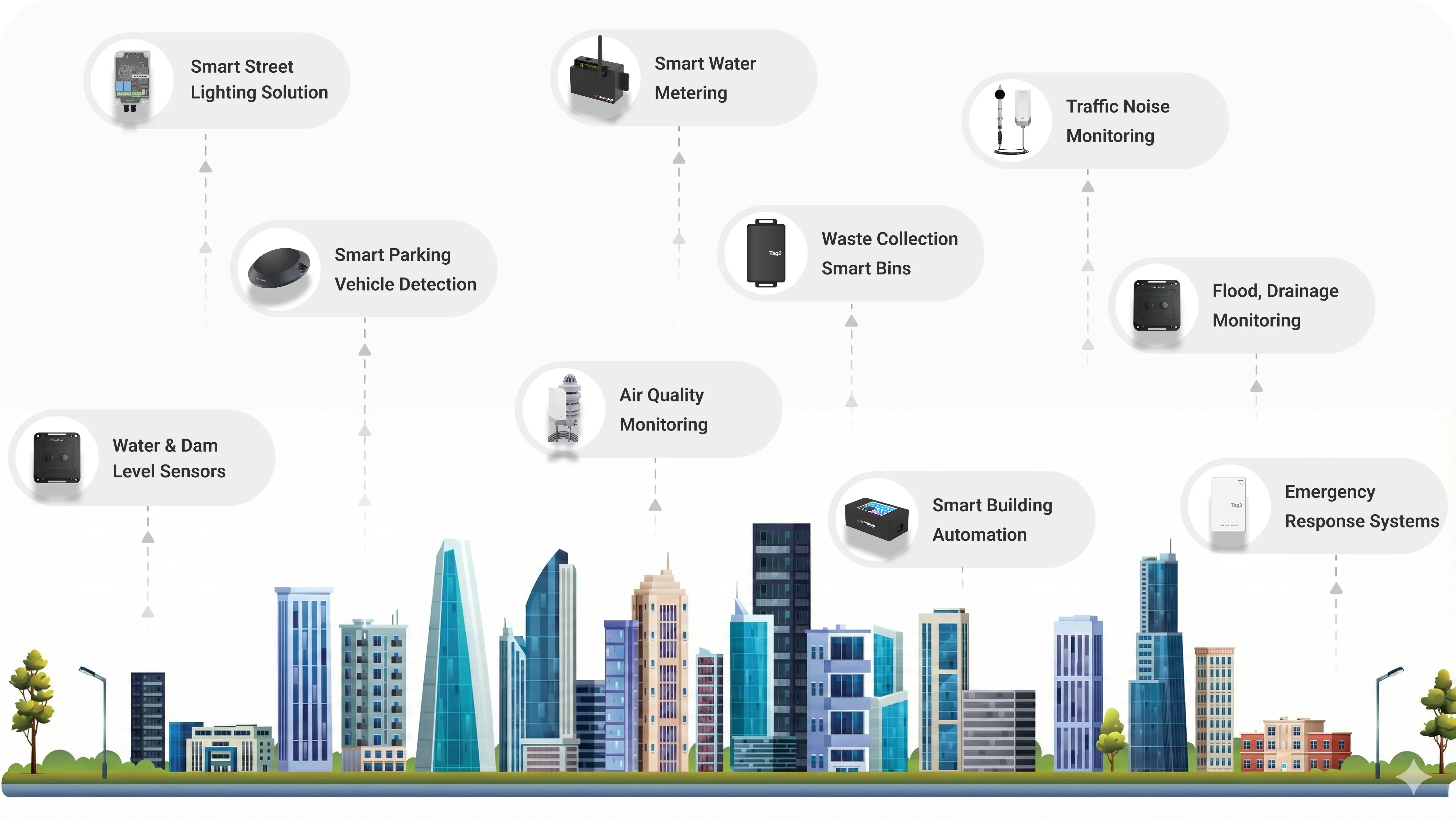
Designed and manufactured in Pune on open standards: LoRaWAN, MQTT and HTTPS, with the data in the city's own ICCC
Designed and manufactured in Pune on open standards:
LoRaWAN, MQTT and HTTPS, with the data in the city's own ICCC
In plain terms
A smart city IoT solution puts battery-powered sensors on the assets a city already owns, such as parking bays, drains, water tanks, bins, street-light feeders and public buildings, so their status reaches the control room automatically over one wireless network, and pumps and lighting can be switched from the same place.
Macnman builds the hardware for it: outdoor sensors, Modbus converters for meters and pump panels, controllers and LoRaWAN gateways on open standards, so the data goes to the city's own platform.
Your city
Bays, drains, tanks, air, noise
Water and energy meters, pump panels
Lighting feeders, pumps
LoRaWAN, Wi-Fi, 4G
MQTT, HTTPS, ICCC
Five steps from the street to the screen. Macnman makes the hardware for the first four; the fifth is the command centre or platform the city already runs or chooses.
The problem
Cities run thousands of assets nobody can see: bays that fill, drains that block, tanks that run dry, lights left on and bins that overflow. Each one is a measurement that is not being taken, and each one is spread across kilometres with no power point.

Inefficient Urban Infrastructure
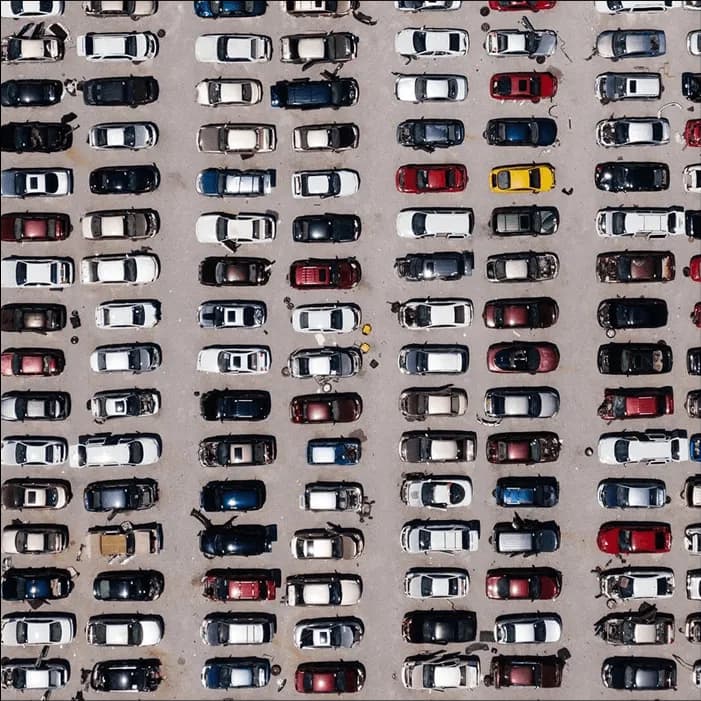
Drivers Circling for a Bay
Parking Shortages
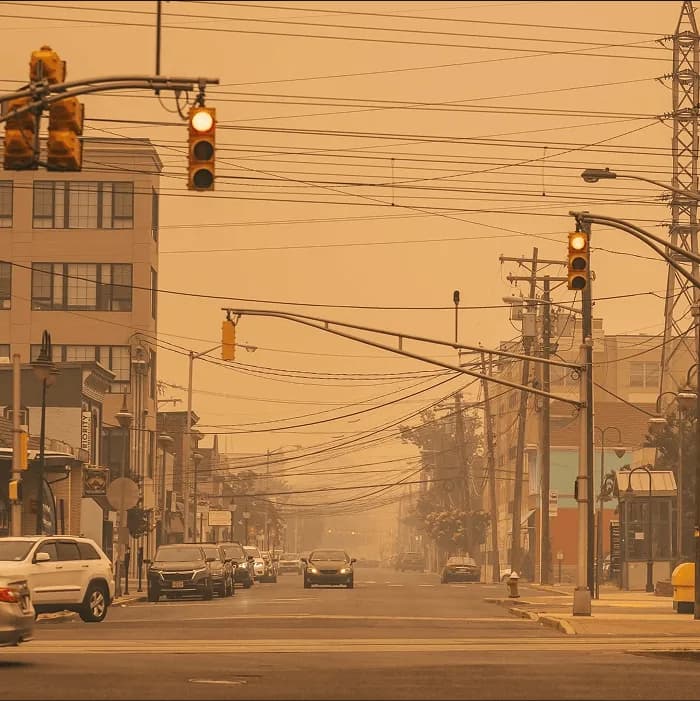
Air Quality and Noise
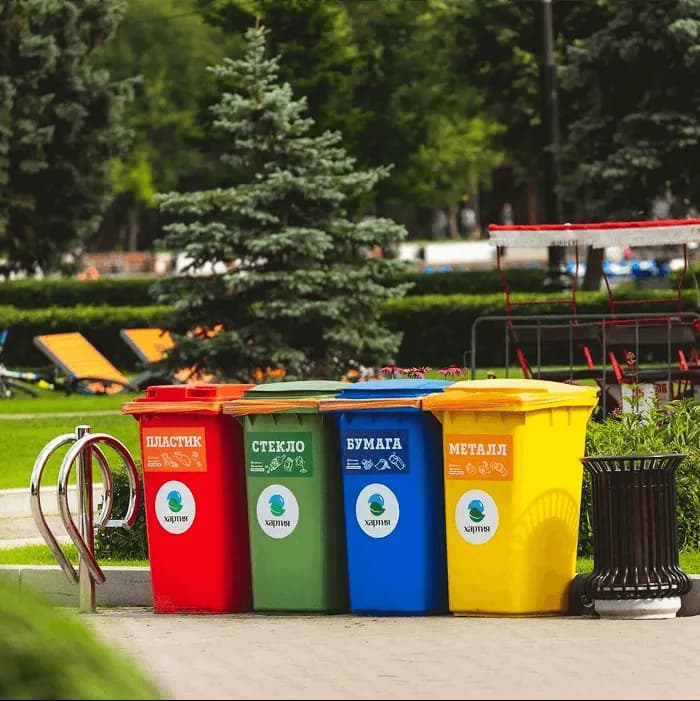
Ineffective Waste Collection
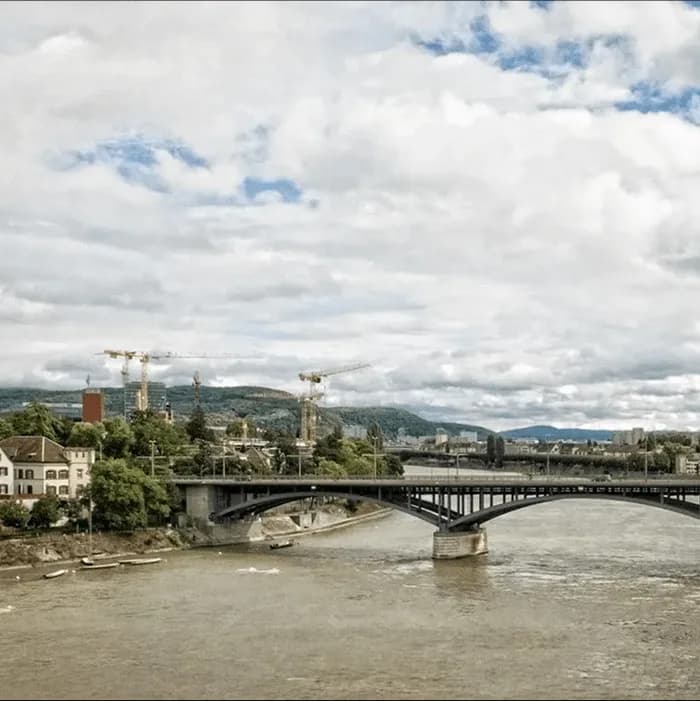
Flooding and Drain Blockage
Get a quote
Tell us who you are (corporation, SPV, MSI or operator), the application, the number of points and the ICCC or platform in use. A product engineer replies within one working day with the kit for a pilot ward.
Parking, water, waste, lighting feeders, meters and air, with the hardware behind each

01 / 09
Street Light Feeder Control
Air, Odour & Noise Monitoring
Smart Parking
Bin Fill Level & Smart Waste
Smart Metering of Existing Meters
Traffic & Boundary Noise
Public Buildings & Facilities
Flood & Drainage Monitoring
Tell us the ward and the first problem — we will specify the hardware.
Application map
Start from the asset, not the catalogue. Each row is a monitoring or control task found in most Indian cities, with the Macnman device that does it and the network it runs on.
On-street and basement parking bays
Bay occupied or free, arrival and departure events
Macnman device
Network
LoRaWAN
Street light feeder pillars
Feeder-pillar switching on a schedule or a sensor, with run status and fault inputs
Macnman device
Network
LoRaWAN · 4G
Drains, culverts and nullahs
Water level by distance to the surface, non-contact
Macnman device
Network
LoRaWAN
Rainfall and weather
Rainfall intensity, wind, temperature and humidity per ward
Macnman device
Network
LoRaWAN
Water tanks, ESRs and sumps
Level in overhead reservoirs and pumping-station sumps; pumps switched on thresholds
Macnman device
Network
LoRaWAN
Water network pressure
Line and hydrant pressure across the distribution network
Macnman device
Network
LoRaWAN
Water and energy meters
Bulk flow meters, pump-panel registers and energy meters over Modbus; 4–20 mA transmitters
Macnman device
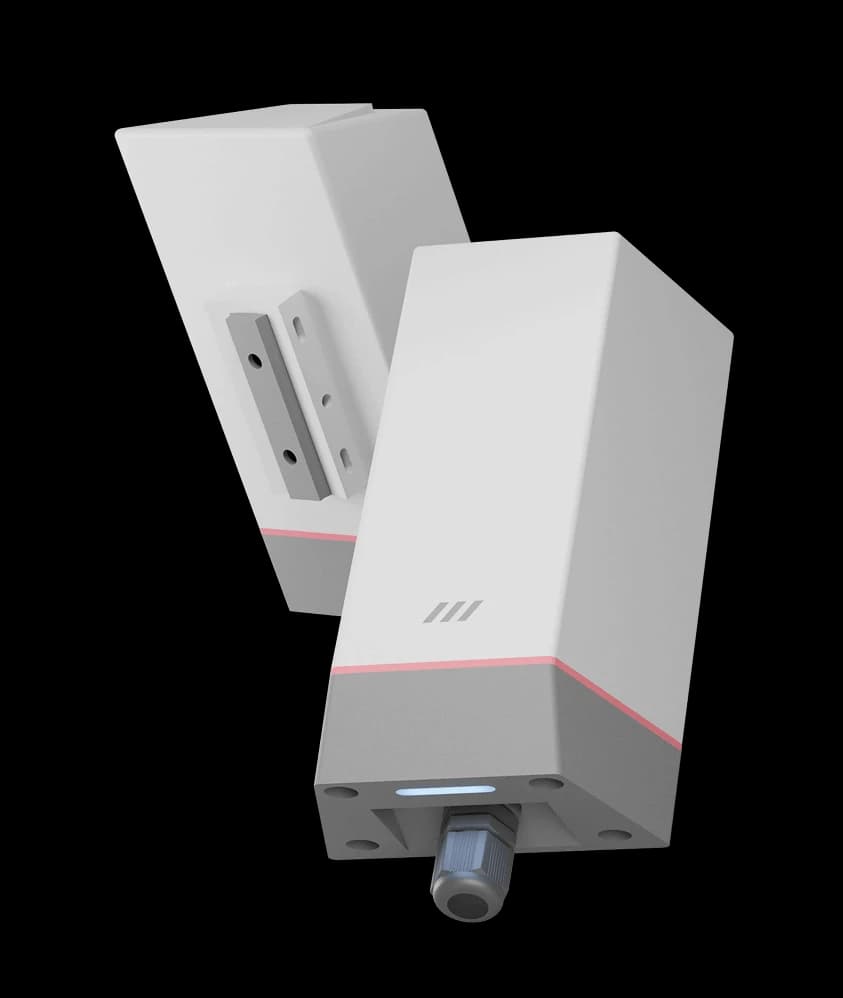 MacSync LX1 RS485 to LoRaWAN converterMacSync LX1 analog to LoRaWAN converter
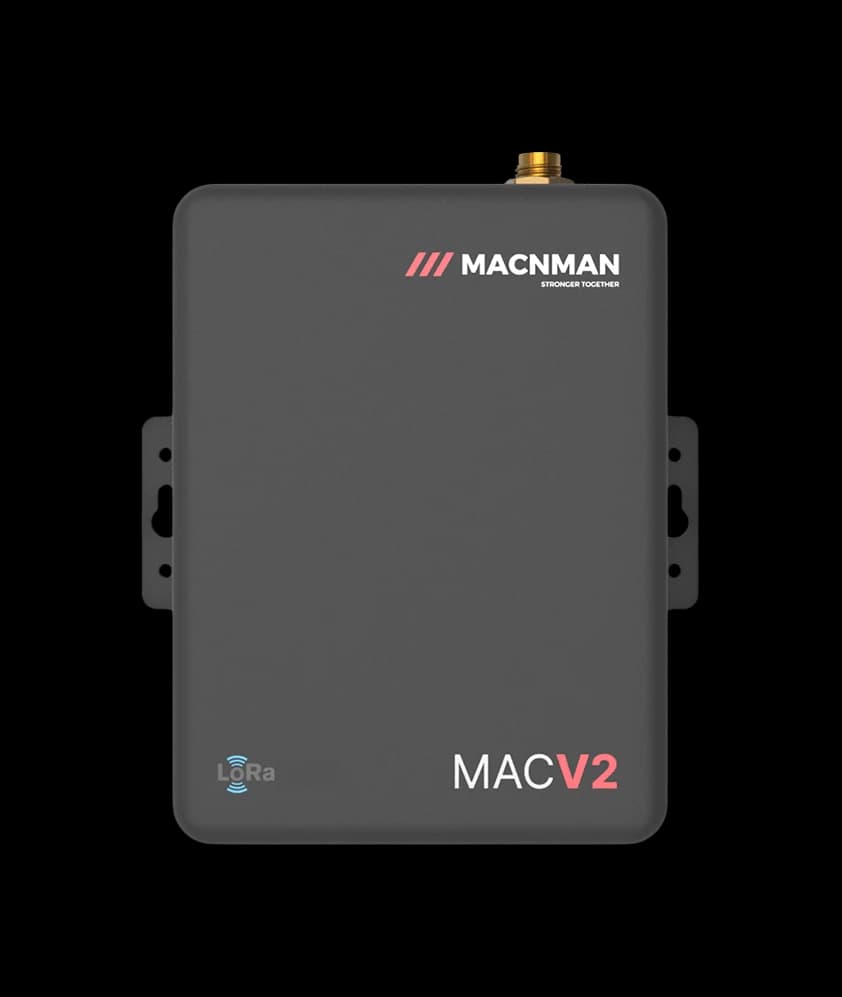 MacSync CX1 4G datalogger
Network
LoRaWAN · 4G
Community bins and compactors
Fill level under the lid of community bins and compactors
Macnman device
Network
LoRaWAN
Air and odor
CO₂ in public buildings; ammonia and hydrogen sulphide at toilets, markets and treatment plants
Macnman device
Network
LoRaWAN
Noise
Sound level in dBA at junctions, silence zones and construction sites
Macnman device
Network
LoRaWAN
Lakes, STPs and treated water
pH and electrical conductivity, measured online
Macnman device
Network
LoRaWAN
Public buildings and facilities
Footfall at offices and facilities, climate in halls and record rooms
Macnman device
Network
LoRaWAN
Pump-house diesel
Fuel level in generator and pump-set tanks
Macnman device
Network
LoRaWAN
City-wide coverage
The LoRaWAN network that carries every device above
Macnman device
Network
4G, Ethernet or Wi-Fi backhaul
| Application | What you measure | Macnman device | Network |
|---|---|---|---|
| On-street and basement parking bays | Bay occupied or free, arrival and departure events | LoRaWAN | |
| Street light feeder pillars | Feeder-pillar switching on a schedule or a sensor, with run status and fault inputs | LoRaWAN · 4G | |
| Drains, culverts and nullahs | Water level by distance to the surface, non-contact | LoRaWAN | |
| Rainfall and weather | Rainfall intensity, wind, temperature and humidity per ward | LoRaWAN | |
| Water tanks, ESRs and sumps | Level in overhead reservoirs and pumping-station sumps; pumps switched on thresholds | LoRaWAN | |
| Water network pressure | Line and hydrant pressure across the distribution network | LoRaWAN | |
| Water and energy meters | Bulk flow meters, pump-panel registers and energy meters over Modbus; 4–20 mA transmitters | LoRaWAN · 4G | |
| Community bins and compactors | Fill level under the lid of community bins and compactors | LoRaWAN | |
| Air and odor | CO₂ in public buildings; ammonia and hydrogen sulphide at toilets, markets and treatment plants | LoRaWAN | |
| Noise | Sound level in dBA at junctions, silence zones and construction sites | LoRaWAN | |
| Lakes, STPs and treated water | pH and electrical conductivity, measured online | LoRaWAN | |
| Public buildings and facilities | Footfall at offices and facilities, climate in halls and record rooms | LoRaWAN | |
| Pump-house diesel | Fuel level in generator and pump-set tanks | LoRaWAN | |
| City-wide coverage | The LoRaWAN network that carries every device above | 4G, Ethernet or Wi-Fi backhaul |
Hover a device to see its name; click it to open the product page, or the datasheet where there is no page yet. Particulate analysers and other instruments with a Modbus or 4–20 mA output connect through the MacSync converter.
The hardware
Four device families cover the path from the street to the command centre, all designed and manufactured by Macnman in Pune.
01 · SENSE
Parking bays, drain and tank levels, rainfall, noise, CO₂ and odor gases, each on a battery that lasts for years and in an enclosure built for the street.
02 · METER
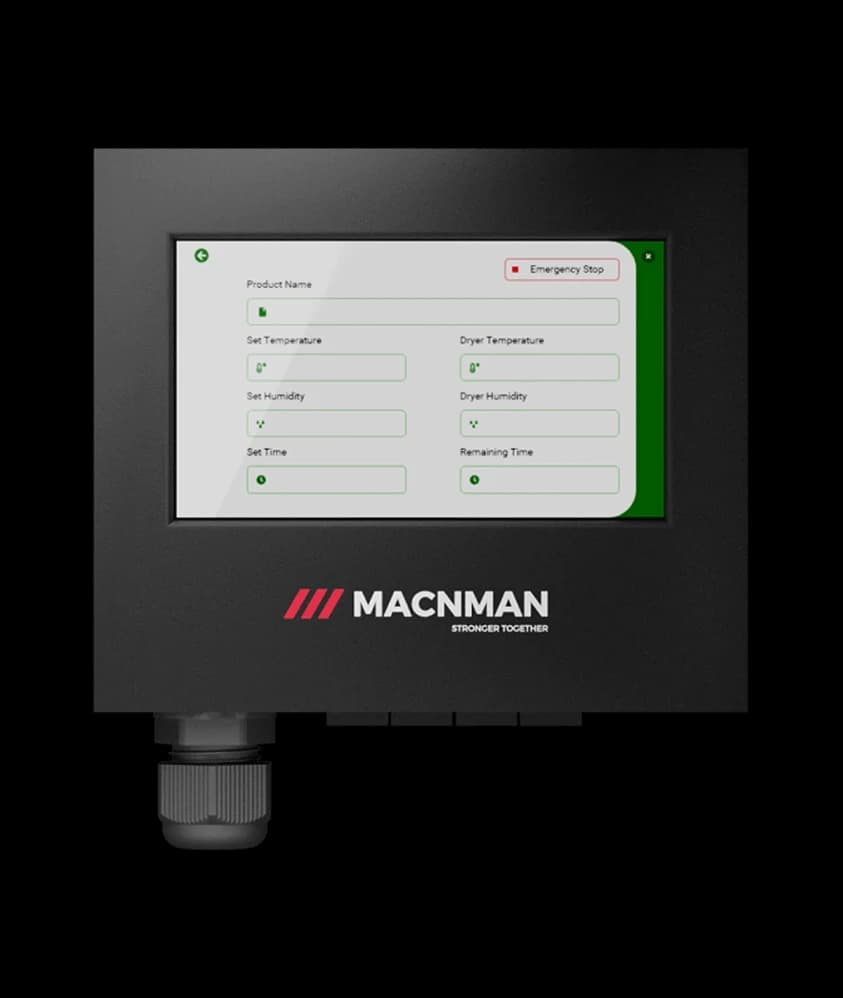
Read the water meters, energy meters and pump panels already in the field. One converter takes RS485 Modbus, 4–20 mA and 0–10 V signals and sends them over LoRaWAN or 4G.
03 · CONTROL
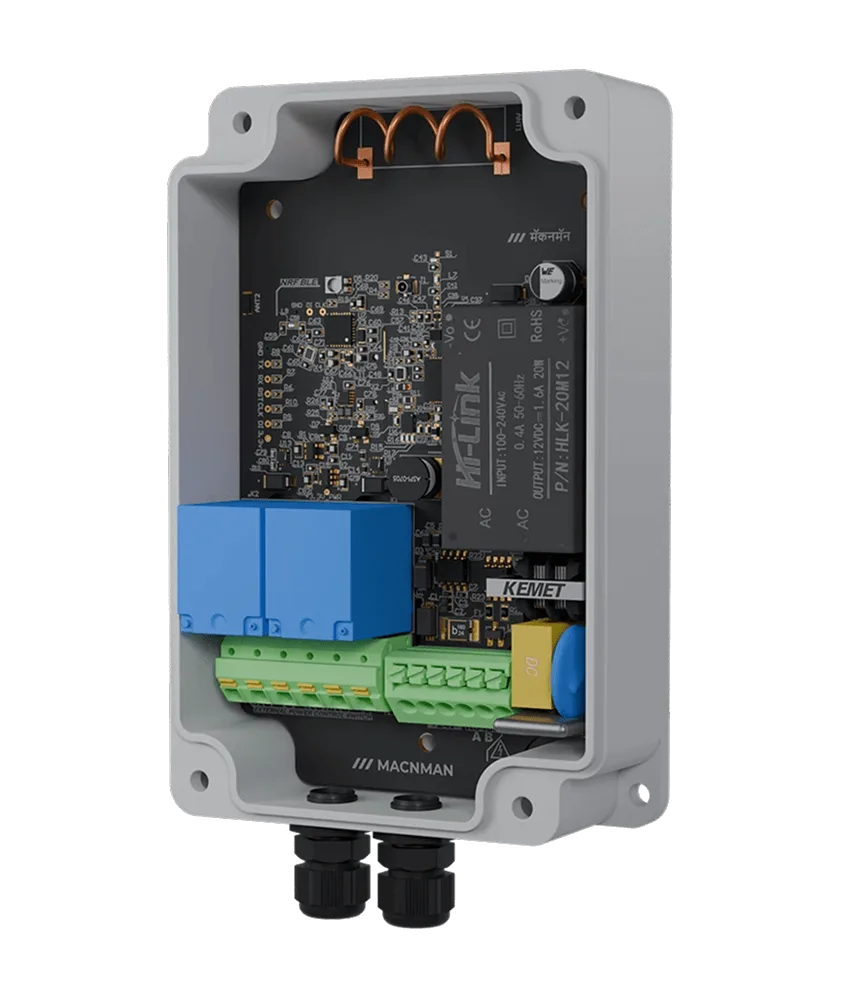
Switch street-light feeders, pumps and alarms from the control room or on a schedule. The rules run on the controller itself, so a lost link does not leave the lights on.
04 · CONNECT
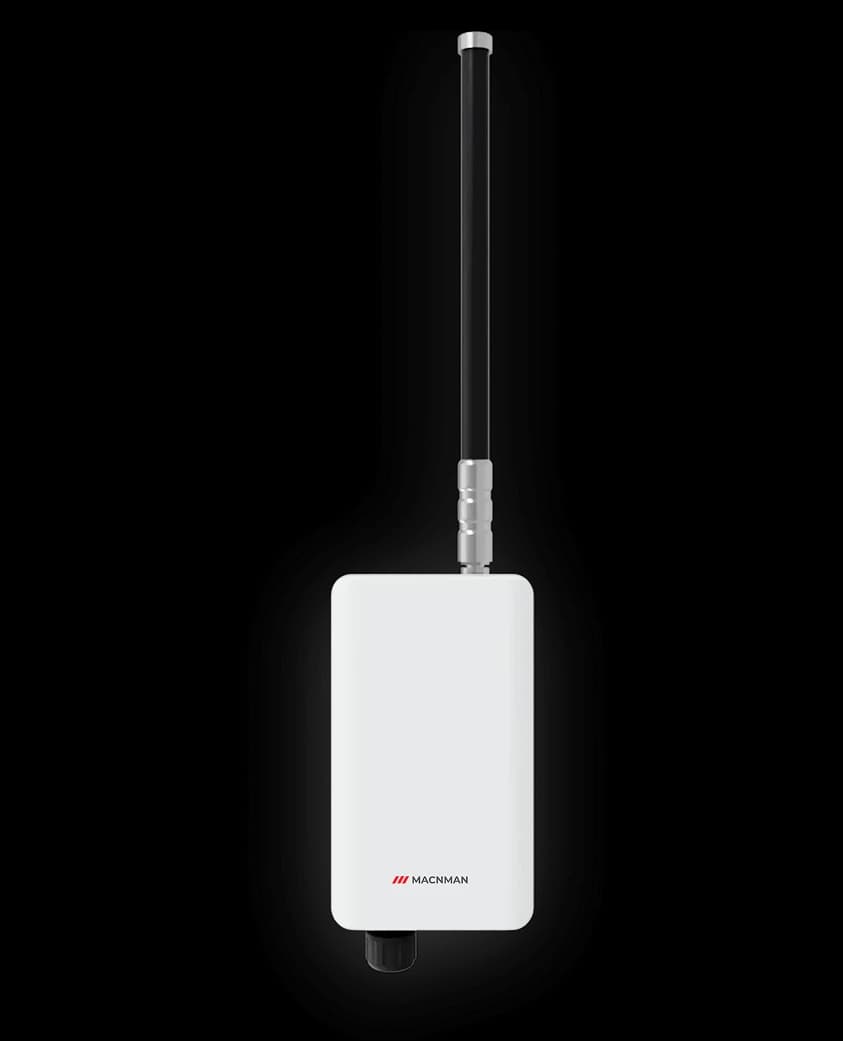
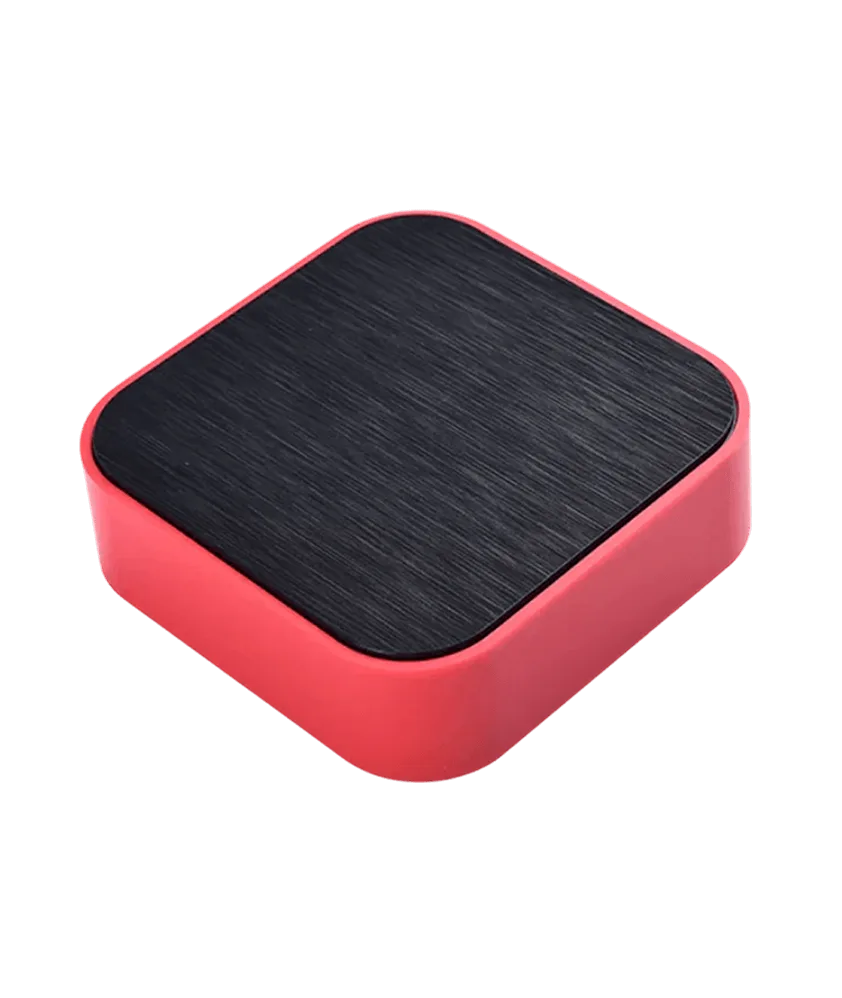
Outdoor gateways on rooftops and poles cover the wards; indoor gateways serve offices and basements. Eight channels each, with 4G, Ethernet or Wi-Fi backhaul.
Curious how all your sensors can talk seamlessly over LoRaWAN?
Read our LoRaWAN BookUse cases
Parking, water, waste, lighting feeders, meters and air on one city network

MacSet controllers at the feeder pillarswitch the lighting feeders on a schedule, on a light-level input or from the control room,and read the feeder's energy meter over RS485.Run status and fault inputs reach the ICCC,so a dark street is known before the complaint. Feeder-level switching, not per-lamp dimming.
Air, Odour & Noise Monitoring: CO₂ sensors in public halls,NH₃ and H₂S odour sensors at public toilets, markets and treatment plants,and sound level sensors at junctions and silence zones report on a battery over LoRaWAN.Particulate analysers with a Modbus outputjoin the same network through a MacSync converter.
Smart Parking Management: A ParkNode sensor in each bayreports arrival and departure within seconds over LoRaWAN,for on-street bays, malls and basements.Guidance, enforcement and turnover datacome from the same event stream, on the city's own gateways.
Bin Fill Level Monitoring: A MacRay LUS X1 ultrasonic sensor under the lidreports how full each community bin or compactor is,from 3 cm to 450 cm, without touching the waste.Collection goes to the bins that need itand overflow is seen before the complaint.
Flood & Drainage Monitoring: Ultrasonic level sensors over drains, culverts and nullahs,rain sensors and weather stations on the wards,show a blockage or a surge as it builds.A rising-level alert reaches the control roomwhile there is still time to send a crew or start a pump.
Smart Metering of Existing Meters: Bulk water meters, pumping-station energy meters and pump panelsalready have Modbus ports; a MacSync converter reads them on a scheduleand sends the registers over LoRaWAN or 4G.No meter is replaced,and the readings land in the billing or SCADA system the utility already runs.
Public Toilets & Facilities: Odour sensors in public toilets,people counters at ward offices and halls, CO₂ in meeting roomsand fuel level in the generator tank report on one network.Cleaning, ventilation and refuellingfollow the readings instead of a round.
Applications
A smart city is built one application at a time, on one network. Pick one to see what it measures and the hardware behind it.
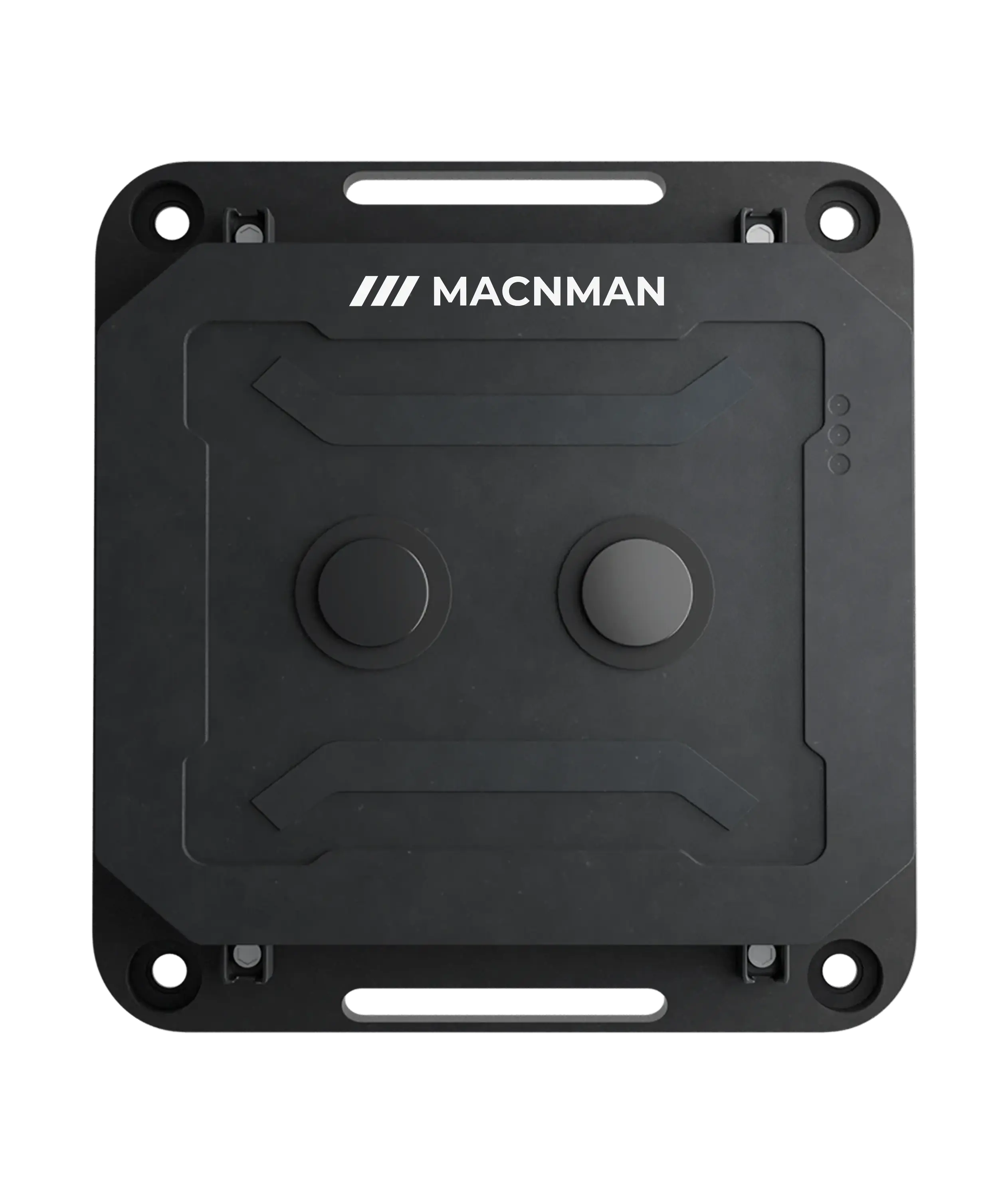
The ParkNode sensor sits in the bay and detects a vehicle with a three-axis geomagnetic sensor, reporting arrival and departure within seconds over LoRaWAN. It is sealed to IP68, rated from −40 °C to +80 °C, and runs for years on its battery, with a larger-cell variant for high-turnover bays. Occupancy feeds guidance signs, parking apps, enforcement and pricing.
Lighting feeders are switched by a MacSet controller at the feeder pillar, on a schedule, on a cycle or from a sensor input, with run status and fault inputs reporting back so a circuit left on by day or dark at night is visible from the control room. The LX1 carries two 16 A relays, the LX2 eight outputs, and the CX1 works over 4G where no gateway reaches. This is feeder-level switching, with the feeder's energy meter read over RS485; it is not a per-lamp dimming controller.
An ultrasonic sensor over a drain, culvert or nullah reports the water level without touching it, so a blockage shows as a rising level before the road floods. Rainfall sensors on the wards give the intensity driving it, and a MacSet controller starts the pumping station on a threshold. Everything runs on battery, where no cable would ever reach.
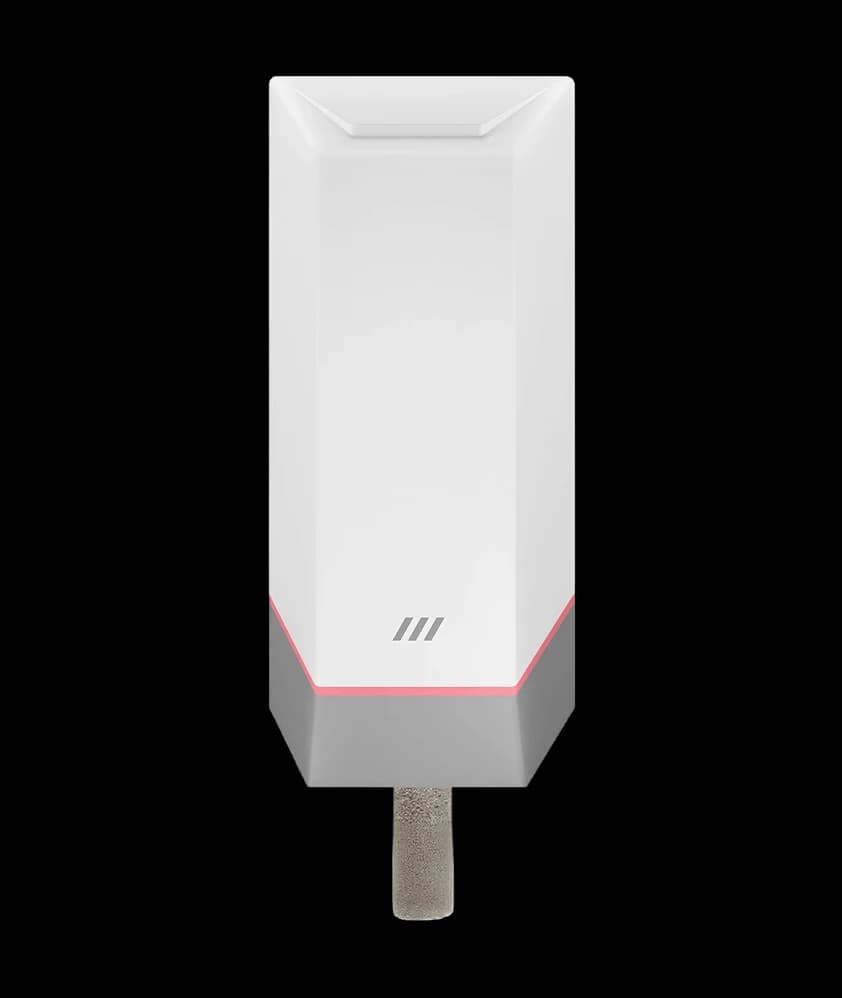
An ultrasonic sensor under the lid reports how full a community bin or compactor is, so collection routes go where they are needed and overflow is seen before the complaint. The sensor ranges from 3 cm to 450 cm, runs for years on a battery and reports over the same LoRaWAN network as the parking and drain sensors.
Bulk water meters, pumping-station energy meters and pump panels already have Modbus ports. A MacSync converter reads their registers on a schedule and sends consumption, flow and status over LoRaWAN, or over 4G where the site has no gateway. Analog transmitters connect to the same converter family at 12-bit resolution.
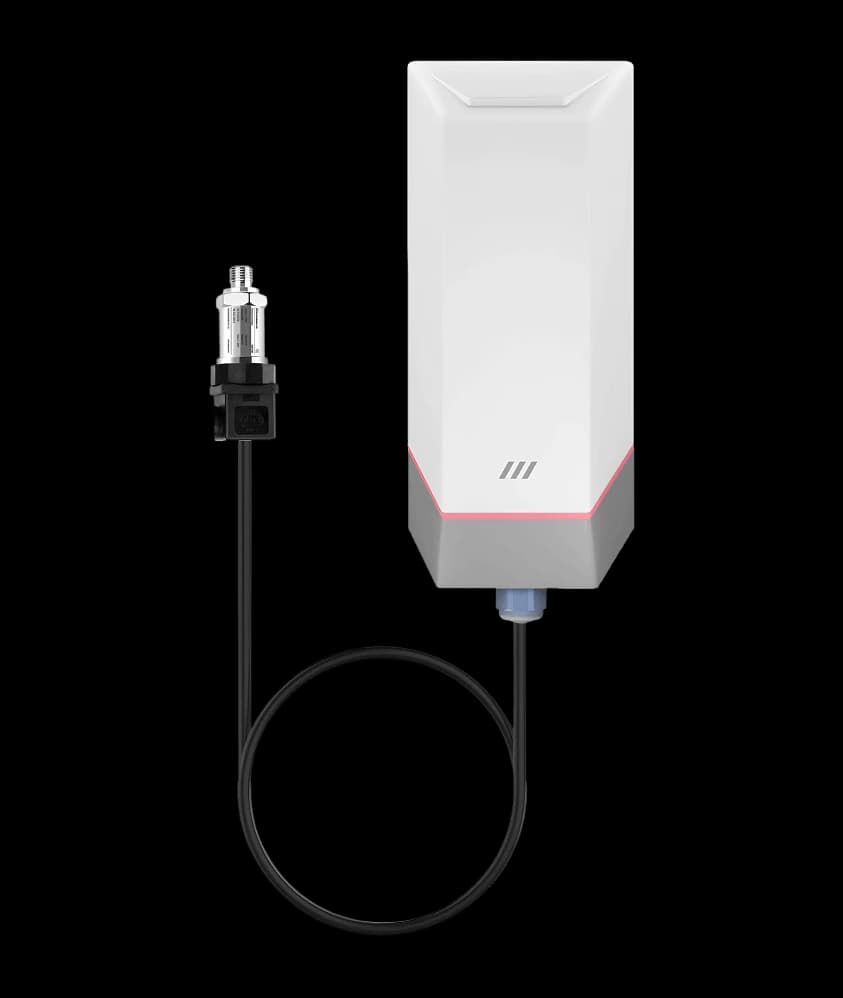
Elevated reservoirs and sumps are read by the ultrasonic level sensor; the pressure transducer reports line and hydrant pressure across the distribution network, so a burst or a starved zone shows up as a pressure change. A MacSet controller switches the pump on a tank threshold and reports its run status.
Battery-powered sensors report CO₂ in public buildings, ammonia and hydrogen sulphide at public toilets, markets and treatment plants, and sound level at junctions, silence zones and construction sites, with a weather station giving the conditions behind the readings. Particulate analysers with a Modbus or 4–20 mA output connect through a MacSync converter, so existing stations join the same network.
Online pH and conductivity sensors show the trend of a lake, an STP outlet or a treated-water line between lab samples, level sensors watch the equalisation and sludge tanks, and a hydrogen sulphide sensor covers the wet well. Dosing and transfer pumps can be switched over the same network by a MacSet controller.
Ward offices, libraries, halls and public toilets are assets too. A people counter at the door reports footfall without a camera, CO₂ and climate sensors watch halls and record rooms, and an odor sensor tells the facility team which toilet needs cleaning now. Pump-house and generator diesel is watched by a fuel level sensor.
A LoRaWAN network is the city's own: outdoor gateways on rooftops and poles cover the wards, indoor gateways serve offices and basements, and every department's sensors share them. The network server can be the city's, hosted or on-premise, with each department as a tenant and the data going to the ICCC or dashboard it already runs.
Planning a Smart City Project? Let's Talk Through the Details Together
Chat with the ExpertsCapabilities
Deploy scalable smart city IoT solutions using sensors, gateways, & automation systems

Why projects stall
Cities already know what they want to see. What stops them is the scale: thousands of points, kilometres apart, with no power and no network at any of them.
Network
With LoRaWAN. A few outdoor gateways per ward, on rooftops or poles with 4G or Ethernet backhaul, carry parking, drainage, water, lighting, waste and air sensors alike, because every device uses the same open protocol. The network server is the city's own, hosted or on-premise, and each department sees its own devices as a tenant.
Start with one ward and one application, such as parking or drainage, and run it on the city's network server or ICCC. The gateways then carry the next department's devices without new infrastructure, and the planning tools size the coverage before anything is ordered.
Choosing a parking sensor
The same sensor in two battery sizes. Pick by how busy the bay is and how long it has to run between visits.
| Compare | ParkNode Gen-1 X1 | ParkNode Gen-1 X2 |
|---|---|---|
| Battery | 19 Ah Li-SOCl₂ cell | 8 Ah Li-SOCl₂ cell |
| Rated life | Up to 10 years | Up to 5 years |
| Detection | Three-axis geomagnetic, arrival and departure within seconds | Three-axis geomagnetic, arrival and departure within seconds |
| Enclosure | IP68, −40 °C to +80 °C | IP68, −40 °C to +80 °C |
| Choose it when | High-turnover on-street bays and long maintenance intervals | Lower-turnover bays, basements and pilots |
Battery life depends on how many arrivals and departures a bay sees each day; the datasheet carries the estimates by traffic.
Compare: LoRaWAN parking sensors compared: ParkNode vs MOKO, Nwave and Bosch · LoRaWAN ultrasonic level sensors compared · LoRaWAN relay and feeder controllers compared · Outdoor LoRaWAN gateways compared · RS485 Modbus to LoRaWAN converters compared · All comparisons
Deployments: Case study: LoRaWAN geomagnetic parking sensors · Case study: smart waste bins with an ultrasonic sensor · Case study: underground water level monitoring · Case study: automating remote water level control · Case study: a LoRaWAN weather station for city environmental monitoring
Architecture
Four stages. The first is the city you already run and the last is the command centre you choose; Macnman builds what sits between them.
01
Bays, drains, reservoirs, bins, feeder pillars, meters, public buildings and treatment plants: the assets the corporation already owns.
02
Outdoor sensors measure, MacSync converters read meters and pump panels, and MacSet controllers switch lighting feeders and pumps.
Made by Macnman
03
LoRaWAN gateways per ward with 4G or Ethernet backhaul, Wi-Fi inside buildings, and 4G devices for isolated sites.
Gateways by Macnman
04
The city's LoRaWAN network server, then MQTT or HTTPS into the ICCC, SCADA or dashboards, hosted or on-premise.
Readings travel from the street to the command centre. Commands, such as switching a feeder or starting a pump, travel back the other way.
Choosing a network
Cities end up with LoRaWAN for the thousands of battery points and 4G for the few isolated, powered sites; Wi-Fi serves the inside of buildings. NB-IoT is the operator's alternative to owning gateways, shown here for comparison.
| Compare | LoRaWAN | NB-IoT (operator network) | 4G LTE | Wi-Fi |
|---|---|---|---|---|
| Infrastructure | The city's own gateways, a few per ward | The operator's NB-IoT network and a SIM in every device | The operator's towers and a SIM per device | Access points inside buildings |
| Typical reach | 2 to 5 km from a rooftop gateway in built-up areas | Wherever the operator has NB-IoT coverage, including deep indoors | Wherever there is mobile coverage | Up to about 100 m indoors per access point |
| Power | Years on a battery | Battery possible; depends on coverage and the operator's power-saving modes | Usually DC powered | Years at relaxed intervals, less at fast rates |
| Recurring cost | None per device on a private network | A plan per device from the operator | A data plan per device | None beyond the building's Wi-Fi |
| Best for | Bays, drains, bins, tanks and sensors across the wards | Points where the city will not own gateways and operator coverage is confirmed | Pumping stations and remote assets with power but no gateway | Offices, halls and facilities |
Macnman makes LoRaWAN, Wi-Fi and 4G devices; the NB-IoT column describes the operator model for comparison. LoRaWAN bands: IN865 for India and EU868 for Europe, plus US915, AU915 and RU864, with KR920 and AS923 on selected products.
Plan it: LoRaWAN gateway and coverage calculator for a ward · Antenna height planner for rooftop and pole gateways · LoRaWAN battery life calculator · Gateway and sensor placement guide
ICCC integration and tender support
An MSI or a corporation's IT team asks the same four things: how the data arrives, what documents come with the hardware, where the network server runs, and whether it can be proved on one ward first.
ICCC integration and tender support
An MSI or a corporation's IT team asks the same four things: how the data arrives, what documents come with the hardware, where the network server runs, and whether it can be proved on one ward first.
Devices are standard LoRaWAN, registered on any network server (ChirpStack, The Things Stack, LORIOT, Orbiwise or a private one). From there, MQTT or HTTPS carries decoded JSON into the ICCC, SCADA or dashboard; the 4G and Wi-Fi devices publish MQTT or HTTPS directly.
A datasheet and user guide per device, payload decoders published on GitHub, WPC compliance for the IN865 radio and RoHS conformity, integration notes and a quote by quantity and band. We supply what the tender or the DPR asks for, as it exists.
ChirpStack can run on the MacLink gateway, on a corporation server or in a government cloud. The city holds the device keys and the data; nothing passes through a Macnman account.
A pilot kit with a gateway and a few parking, level and bin sensors on the city's own server, with the same hardware the tender will scale. The coverage map and the ICCC feed from the pilot go into the DPR.
Scope
A smart city project has many suppliers. This is where the line sits for a Macnman deployment, so the tender scope and the integrator's scope are clear before the order.
| Item | Macnman | MSI, integrator or city |
|---|---|---|
| Sensors, converters, controllers and gateways | Designed, manufactured and supported from Pune, with datasheets, decoders and engineering support | Selection by application, with our help |
| LoRaWAN network server | ChirpStack on the gateway, or support for the city's own server | Hosting, user accounts and backups where the city runs it |
| ICCC, dashboards and analytics software | Not supplied; data delivered over MQTT or HTTPS with published payload formats | The platform, its integration and its screens |
| Cameras, ANPR and variable message signs | Not supplied | Sourced separately; parking guidance signs consume the bay data |
| Per-lamp dimming controllers | Not supplied; MacSet switches feeders and reads the feeder meter | Per-lamp controllers where a tender needs dimming |
| Poles, masts, civil works and power at gateways | Mounting hardware with each device; placement guidance | Civil works, pole access, PoE or DC power and backhaul SIMs |
| Installation and commissioning | Installation guides, the Maya app setup, remote support and site visits for pilots | Field installation crews and commissioning at scale |
| Compliance documents | WPC for IN865, RoHS, datasheets and test reports as they exist | Tender formats and submissions |
Export deployments are confirmed country by country before an order.
Pilot wards
Five pilots that corporations and SPVs start with, each small enough to run on one ward and one network server before a tender is written. Quantities are working estimates for a quote.
| Pilot | What it usually needs | Gateway | Grows into |
|---|---|---|---|
| On-street parking, one stretch | One ParkNode Gen-1 per bay on the chosen stretch, surface or flush mounted; the event feed into the guidance sign or the enforcement app | One MacLink Gen-2 on a rooftop or a pole covering the stretch | The next streets and the basement car parks on the same gateways; turnover and overstay reports for pricing |
| Flood and drainage, one nullah | MacRay LUS X1 level sensors over the culverts and the choke points, a rain sensor or LWS X2 weather station on the ward | One rooftop MacLink Gen-2; a second where the drain runs behind high-rise blocks | Every drain in the ward, pump start on threshold at the pumping station, rainfall per ward in the ICCC |
| Smart waste, one collection route | A MacRay LUS X1 under the lid of each community bin and compactor on the route, thresholds set per bin size | The same ward gateway; bins at ground level are checked with a Ping test | All routes in the zone, with collection planned from the fill levels instead of the calendar |
| Water supply, one ESR and its sump | Level sensors over the reservoir and the sump, a pressure transducer on the outlet, a MacSync converter on the bulk meter and the pump panel, a MacSet controller on the pump | One gateway at the pumping station; 4G devices where the station has no gateway | Every ESR and pumping station in the zone, with pressure across the network and pumps on thresholds |
| Public toilets, one block | An NH₃ and H₂S odour sensor per block, a people counter at the door, a level sensor on the water tank | An indoor Setu X1 if the block is inside a building; otherwise the ward gateway | Every block in the ward, with cleaning dispatched from the readings and footfall |
Working estimates, not a design. Every device here is on this page's application table with its datasheet; send the ward map and the point list and we size the pilot and the roll-out.
By department
Smart city projects are bought by departments and run by an SPV or the ICCC. This is how one network of city-owned gateways serves each of them, with each department as a tenant on the network server.
| Department | What it watches | Macnman devices | Where the data lands |
|---|---|---|---|
| Parking and traffic cell | Bay occupancy, arrival and departure, overstay | ParkNode Gen-1 parking sensors | Guidance signs, enforcement app, ICCC parking view |
| Storm-water and drainage | Drain, culvert and nullah level; rainfall per ward | MacRay LUS X1, optical rain sensor, LWS X2 weather station | Flood dashboard and SMS alerts from the ICCC |
| Water supply | ESR and sump level, network pressure, bulk meter readings, pump state | MacRay LUS X1, MacSync LPS pressure transducer, MacSync LX1 converter, MacSet LX1 controller | Water SCADA or the ICCC, over MQTT or HTTPS |
| Solid waste | Bin and compactor fill level | MacRay LUS X1 under the lid | Collection planning and the sanitation dashboard |
| Electrical and street lighting | Feeder on and off, run status, faults, feeder energy | MacSet LX1 or LX2 at the feeder pillar; MacSync converter on the feeder meter | Lighting dashboard and the ICCC |
| Health and sanitation | Odour in public toilets, footfall, tank level | MacSync L Odor sensor, MacRay ToF people counter, MacRay LUS X1 | Cleaning dispatch and the sanitation dashboard |
| Environment | Boundary and junction noise, CO₂ in public halls, weather; particulate analysers over Modbus | Sound level sensor, CO₂ sensor, weather station, MacSync converter | Environment dashboard and public displays |
| Estate and public buildings | Hall climate, ward-office footfall, generator diesel, basement parking | Temperature and humidity sensor, people counter, fuel level sensor, ParkNode | Facility dashboard or the ICCC |
ChirpStack and The Things Stack both support tenants and applications, so each department sees its own devices on shared gateways. The gateways, the keys and the data stay with the corporation.
Planning coverage for a ward or a city? Size it before you order.
Open the Planning ToolsWho deploys it
The devices are the same from one deployment to the next. What changes is which assets get measured first.
Parking, drainage, lighting and waste on one city-owned network.
Sensors from every department feeding the integrated command centre.
Reservoir levels, network pressure, bulk meters and pumping stations.
Bay-level occupancy for guidance, enforcement and revenue.
A campus run like a small city: parking, water, lighting and air.
Parking, water tanks and building climate across a campus.
Tanks, pumps, basement parking and common-area lighting.
Open hardware for city platforms, with documentation, decoders and engineering support.
Deployment
Smart city projects work best started small. A pilot on one ward proves the coverage and the data path, and the same gateways then carry more departments.
01
Choose a single measurable job: one street's parking, one drain, one reservoir. Tell us the ward, the distance to a rooftop and how often you need a reading.
02
Estimate gateway count, placement and battery life with the free planning tools, or send a ward map and we will do it.
Network planning tools03
Sensors fix to the bay, the drain wall or the bin lid and are set up from a phone with the Maya app over Bluetooth. There is no programming.
04
Point the devices at the city's network server or ICCC, confirm the data arrives, then add departments to the same gateways.
Start small: Pilot one ward: gateway, parking, level and bin sensors · MSI and system integrator partner programme · Macnman as an IoT hardware manufacturer in Pune · Smart water management: tank level, pump control and bulk meters · Smart farming and agriculture IoT: soil, irrigation, weather and pumps
Why Macnman
A manufacturer of smart city IoT sensors in Pune, not a reseller: the people who answer your questions are the people who designed the device.
Why Macnman
A manufacturer of smart city IoT sensors in Pune, not a reseller: the people who answer your questions are the people who designed the device.
Hardware, firmware and enclosures are designed and manufactured in Pune, with engineering support in Indian Standard Time.
LoRaWAN, Modbus, MQTT and HTTPS. The devices work with any LoRaWAN network server and any command centre, with no mandatory subscription.
IP68 parking sensors, IP67 gateways and level sensors with an IP67 transducer, rated from −40 °C to +80 °C, on batteries that last for years in the bay, the drain and the bin.
Firmware, payloads, enclosures and branding adapted for city platforms, integrators and tender orders.
Read next: LoRaWAN in India: the IN865 band and WPC rules · How to choose a smart parking sensor · Parking sensors and vehicle load: what the road does to a sensor · Washroom odour monitoring with a LoRaWAN sensor · Payload decoders on GitHub
Terms in the tender
The words that appear in a smart city RFP, a DPR and a Macnman quote, each in one paragraph, so the tables above read without a glossary tab open.
Terms in the tender
The words that appear in a smart city RFP, a DPR and a Macnman quote, each in one paragraph, so the tables above read without a glossary tab open.
The Integrated Command and Control Centre: the city's operations room and software platform where every department's data is displayed and acted on. Macnman devices reach it as decoded MQTT or HTTPS from the LoRaWAN network server.
The Special Purpose Vehicle is the company a city forms to run its Smart Cities Mission projects; the Master System Integrator is the contractor that builds and runs the ICCC and its systems. Macnman supplies both, directly or through the MSI.
The Detailed Project Report sets the scope and the budget; the Request for Proposal is the tender that follows. A one-ward pilot gives both real coverage maps, battery readings and an ICCC feed instead of assumptions.
IN865 is India's LoRaWAN frequency plan in the 865 to 867 MHz band, delicensed by the Wireless Planning and Coordination wing for low-power devices. A city runs its own gateways without a spectrum licence; the hardware carries WPC compliance.
A sensor in the bay that detects a vehicle by the change it makes to the earth's magnetic field, with no camera and no moving part. The ParkNode Gen-1 reports arrival and departure within 7 to 10 seconds and runs up to 10 years on its battery.
The software that receives packets from the gateways, checks the device keys, decodes the payload and hands the readings on. ChirpStack can run on the MacLink gateway or a corporation server, so the city holds the keys and the data.
FAQ
The ones that come from assets nobody can see: bays that fill, drains that block, overhead tanks that run dry or overflow, bins that overflow, feeders left on in daylight, meters read by hand and toilets cleaned on a round. A battery-powered sensor on each asset reports over the city's own LoRaWAN network, and the ICCC acts on the reading instead of the complaint. Cameras, ANPR and traffic signals are a different class of equipment and are not what this hardware does.
Geomagnetic parking sensors in bays (ParkNode Gen-1); ultrasonic level sensors over drains, tanks and under bin lids (MacRay LUS X1); rain sensors and weather stations on the wards; pressure transducers on the water network; CO₂, NH₃/H₂S odour and sound level sensors; people counters at facility doors; capacitive fuel level sensors on generator tanks; MacSync converters that read existing water and energy meters over Modbus; MacSet controllers that switch lighting feeders and pumps; and LoRaWAN gateways that carry all of it. Every device is listed in the table on this page with its datasheet.
A ParkNode Gen-1 sensor is fixed in each bay, surface or flush mounted. Its three-axis magnetometer detects a vehicle above 98 % of the time and reports arrival and departure within 7 to 10 seconds over LoRaWAN to a gateway on a rooftop or a pole. The network server decodes the event and passes it to the guidance signs, the enforcement app and the ICCC. The X1 variant is rated up to 10 years on its battery and the X2 up to 5, depending on how busy the bay is. The parking page and the comparison page carry the figures.
LoRaWAN is the city's own network: a few gateways per ward, no SIM in any device, no plan per device, and the keys and the data held by the corporation. NB-IoT is the operator's network: coverage, including deep indoors, where the operator provides it, a SIM and a plan in every device, and the operator's terms. Cities that want to own the infrastructure and add departments to it over time choose LoRaWAN; those that will not run gateways and have confirmed NB-IoT coverage choose the operator. Macnman makes LoRaWAN, Wi-Fi and 4G devices.
With LoRaWAN, gateways. A MacLink Gen-2 on a rooftop carries more than 2,000 devices on eight channels, and the only SIM is the one in the gateway's 4G backhaul, if it does not have Ethernet. A thousand parking and bin sensors therefore need a handful of gateway backhauls, not a thousand plans. 4G devices, used for isolated pumping stations, do carry their own SIM.
Yes, and that is the point of owning it. ChirpStack and The Things Stack organise devices into tenants and applications, so the parking cell, the water department and the sanitation wing each see their own devices on the same city-owned gateways, with their own users and their own data feeds into the ICCC. A new department adds devices, not a network.
As a working estimate, one rooftop gateway typically covers 2 to 5 km across a built-up ward, so most wards need one to three, plus an indoor Setu X1 for each basement car park. Dense high-rise and sensors at ground level under cars shorten the range, which is why the pilot includes a coverage check with a sensor at the real mounting point. The gateway and coverage calculator on this site gives a first count from the ward map.
Yes, and the hardware carries it. LoRaWAN in India uses the IN865 plan in the 865 to 867 MHz band, which the Wireless Planning and Coordination wing has delicensed for low-power devices, so the corporation needs no spectrum licence to run its own gateways. Macnman devices are built for IN865 and are WPC compliant; the compliance documents are supplied for the tender file.
Yes. The devices register on any LoRaWAN network server, and the server delivers decoded JSON over MQTT or HTTPS to the ICCC, SCADA or dashboard. Payload decoders are published on GitHub, so the integrator can map the fields before the first device arrives. Commands, such as switching a feeder, go back the same way as downlinks.
Yes. Macnman supplies sensors, converters, controllers and gateways with published payload formats and no mandatory platform. The city's network server and ICCC stay as they are; the MSI connects the MQTT or HTTPS feed.
The corporation owns it. ChirpStack can run on the MacLink gateway, on a server in the corporation's data centre or in a government cloud; the device keys and every reading stay there. Nothing passes through a Macnman account, and there is no subscription in the path.
No. The devices work with any LoRaWAN network server and any broker. A hosted platform is a choice the city or the MSI makes, not a condition of using the hardware.
A datasheet and a user guide for each device, WPC compliance for the IN865 radio, RoHS conformity, payload decoders and integration notes, mounting guides, and a quote by quantity and band. If the tender asks for a document that does not exist yet, we say so rather than improvise.
Both. Most Smart Cities Mission work runs through a master system integrator, and we supply the MSI with hardware, documents and engineering support; corporations, SPVs, utilities and parking operators also buy directly for pilots and departmental projects. The partner programme on this site is for integrators who want a standing arrangement.
Yes, and we recommend it. The pilot kit is a gateway with a few parking, level and bin sensors on the city's own network server, with the same hardware the tender will scale. The coverage map, the battery readings and the ICCC feed from the pilot go into the DPR with real figures.
Yes, at feeder level. A MacSet controller in the feeder pillar switches the feeder on a schedule, on a light-level input or from the control room, reports run status and fault inputs, and reads the feeder's energy meter over RS485. It is not a per-lamp dimming controller; where a tender specifies per-lamp control, that is a separate device. Check the tender's controller specification against the MacSet datasheet before quoting it.
A MacRay LUS X1 ultrasonic sensor under the lid measures the distance to the waste, from 3 cm to 450 cm, and reports it over LoRaWAN on a schedule and when a threshold is crossed. The collection plan then goes to the bins above the threshold instead of every bin on the route, and an overflowing bin is known before the complaint. The waste-bin case study on this page describes a deployment.
An ultrasonic sensor mounted above the drain, culvert or nullah reports the water level without touching it; a rain sensor or weather station on the ward reports rainfall intensity alongside it. A blockage shows as a level that rises without rain, and a surge shows as a level that rises with it, and either raises an alert in the control room while a crew can still reach the spot.
Yes, where the meter has an RS485 Modbus port or a pulse output, which most bulk water meters and pumping-station energy meters do. A MacSync LX1 converter polls the registers on a schedule and sends them over LoRaWAN; a 4G version does the same from an isolated pumping station. The meter stays, and the readings land in the billing or SCADA system the utility already runs.
A MacRay LUS X1 above the water in the ESR or the sump reports the level; a MacSet LX1 at the pump switches on a low threshold and off on a high one, with the rule running on the controller so it works through a network drop. Line and hydrant pressure from the pressure transducer show a burst or a closed valve on the same dashboard.
A LoRaWAN odour sensor reads ammonia and hydrogen sulphide inside the toilet block and reports the level on a schedule and when it crosses a threshold, so cleaning is sent to the block that needs it. A people counter at the door adds footfall, and a tank level sensor shows whether there is water. The washroom monitoring article linked on this page explains the set-up.
From the datasheets: the ParkNode Gen-1 X1 is rated up to 10 years and the X2 up to 5, depending on the number of parking events a day; the MacRay LUS X1 is rated about 3 years at hourly reports, about 2 at 15 minutes and about 1 at 5 minutes on its 8 Ah cell. Battery level is sent in every message, so replacement is planned from the dashboard, not discovered on the street. Ask us about end-of-life replacement for each model.
The ParkNode Gen-1 is IP68, rated from −40 °C to +80 °C, and is designed to be driven over; the gateways are IP67; the ultrasonic level sensor has an IP67 transducer for the drain and the bin. The datasheets carry the figures, and the article on parking sensors and vehicle load linked on this page covers the road.
Sensors keep transmitting, and any other gateway in range receives them, which is why ward plans overlap gateways. Controllers keep running their schedules and thresholds locally. Readings that no gateway heard appear as a gap, and the next scheduled reading arrives when the link returns; the ICCC treats a missing heartbeat as an alarm.
Four lines, and the device is only one: the number of points per application, the gateways needed for the wards and the basements, the mounting at each point (flush or surface for bays, brackets for drains and lids), and the integration into the ICCC, which is usually the MSI's scope. Hardware is quoted by quantity and band; send the point list by application and a ward map and we quote the whole deployment.
Yes. Macnman Technologies designs and manufactures its sensors, converters, controllers and gateways in Pune, Maharashtra, with WPC compliance for the IN865 radio, and supports them from the engineering team.
Compare on what the datasheet states rather than on the brochure: detection or measurement figures with their conditions, battery life with the traffic or interval it assumes, the IN865 plan and WPC compliance, the ingress rating, published payload decoders, and where the hardware is designed and supported. Macnman designs and manufactures its parking, level, odour, noise and climate sensors, converters, controllers and gateways in Pune, publishes datasheets and decoders, and the comparison pages on this site set the ParkNode, the level sensor and the gateway beside other makers' published figures with sources.
Yes. As the manufacturer, Macnman adapts firmware, payload formats, enclosures and branding for city platforms, integrators and tender orders. Customisation depends on volume; share the quantity and the change you need and we will say what is possible.
More from Macnman
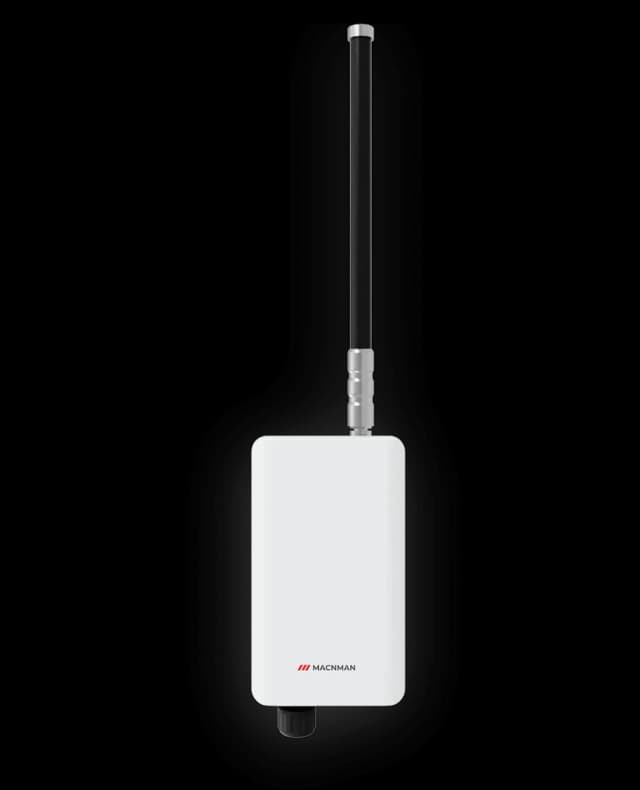 New
LoRaWAN Outdoor Gateways
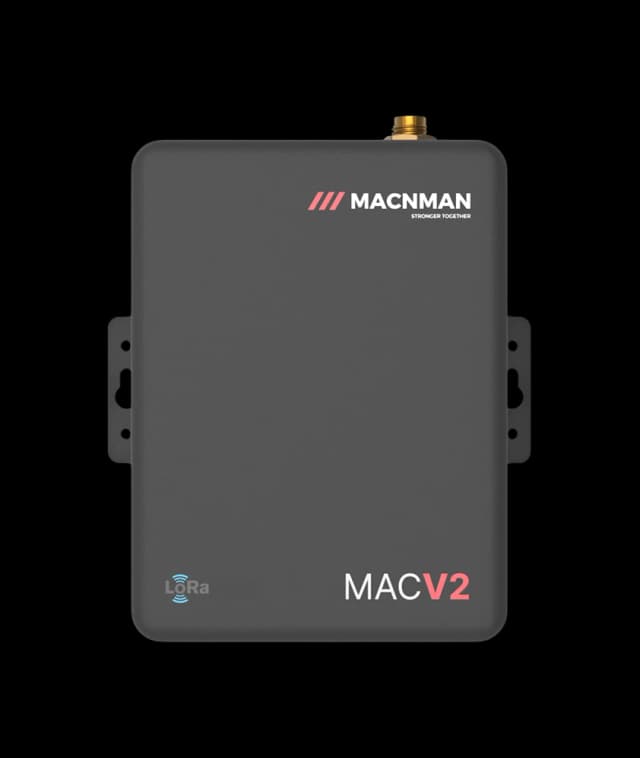
4G Lte Gateways
 Hot Selling
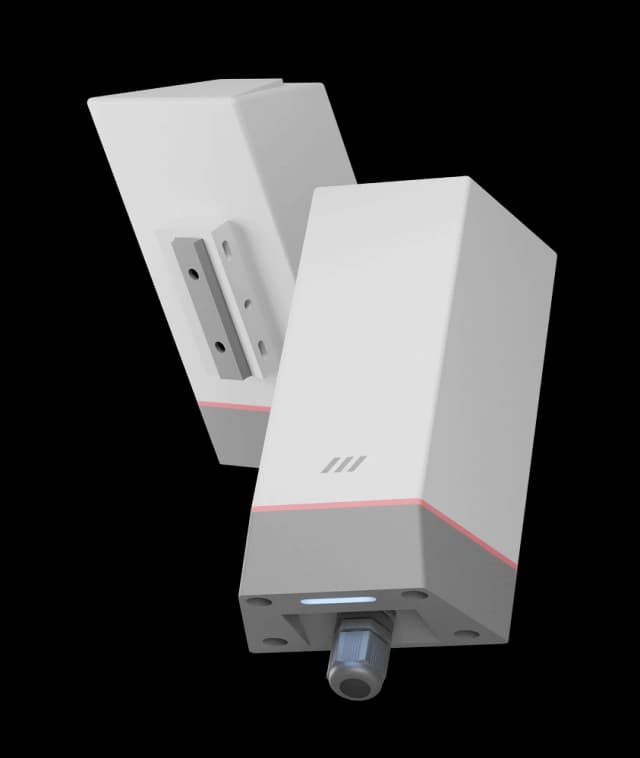
RS485 Modbus to LoRaWAN Converter
Analog 4-20mA to LoRaWAN Converter
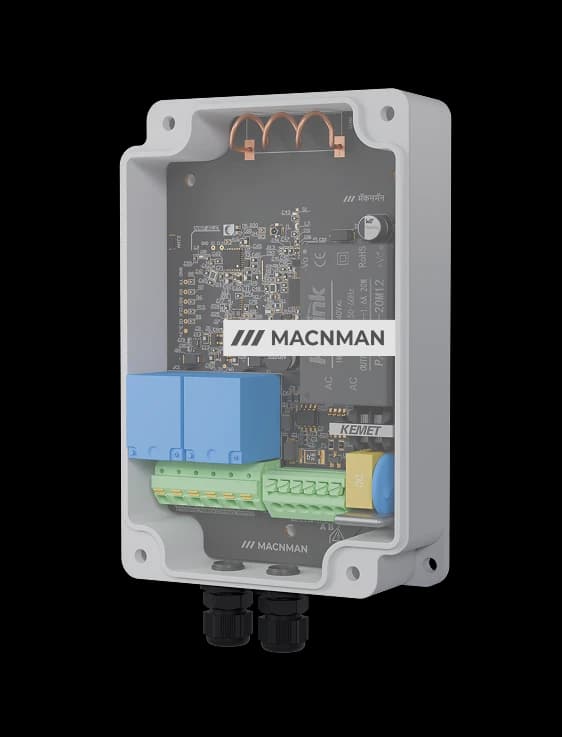 New
RS485/Analog + Relay Output
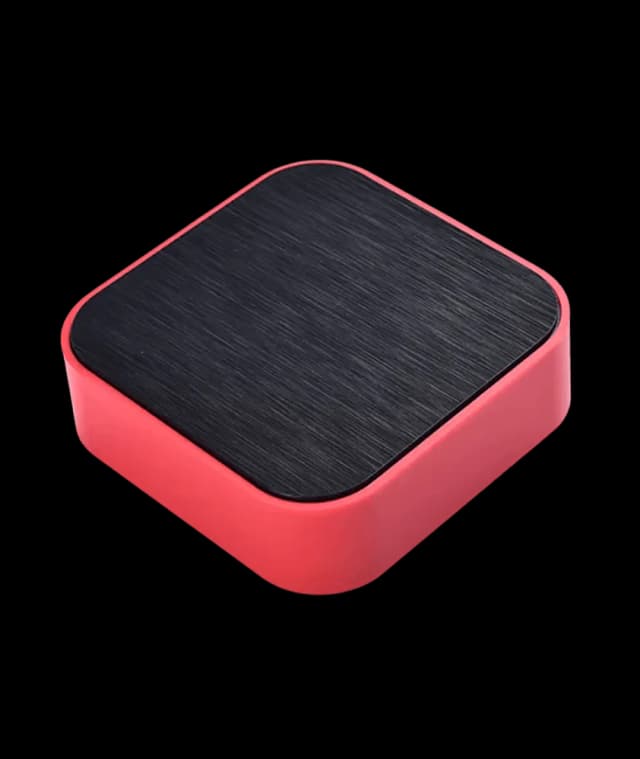 Hot Selling
LoRaWAN Indoor Gateways
NewLoRaWAN Outdoor Gateways
4G Lte Gateways
Hot SellingRS485 Modbus to LoRaWAN Converter
Analog 4-20mA to LoRaWAN Converter
NewRS485/Analog + Relay Output
Hot SellingLoRaWAN Indoor Gateways
Let’s bring it to life!
Let‘s Make it Easy
Reach Out Now


We are always ready
to help and
answer your
questions
+91 7972856163
+91 9096830856
Office-15 Bibwewadi, Pune, Maharashtra 411037
Define your goals and all to value your time
Use of this website and purchase of Macnman products are subject to our Terms and Conditions.