LoRaWAN range
LoRaWAN Gateways
Indoor and outdoor 8-channel gateways for private LoRaWAN networks
A LoRaWAN gateway listens for the uplinks of every sensor within range and forwards them over Ethernet, Wi-Fi or cellular to a LoRaWAN network server, which passes the data to your application; downlinks travel the same way back. Because the radio link is long-range, one gateway serves hundreds of sensors spread across a plant, a campus or a farm, which is what makes a private LoRaWAN network inexpensive to run.
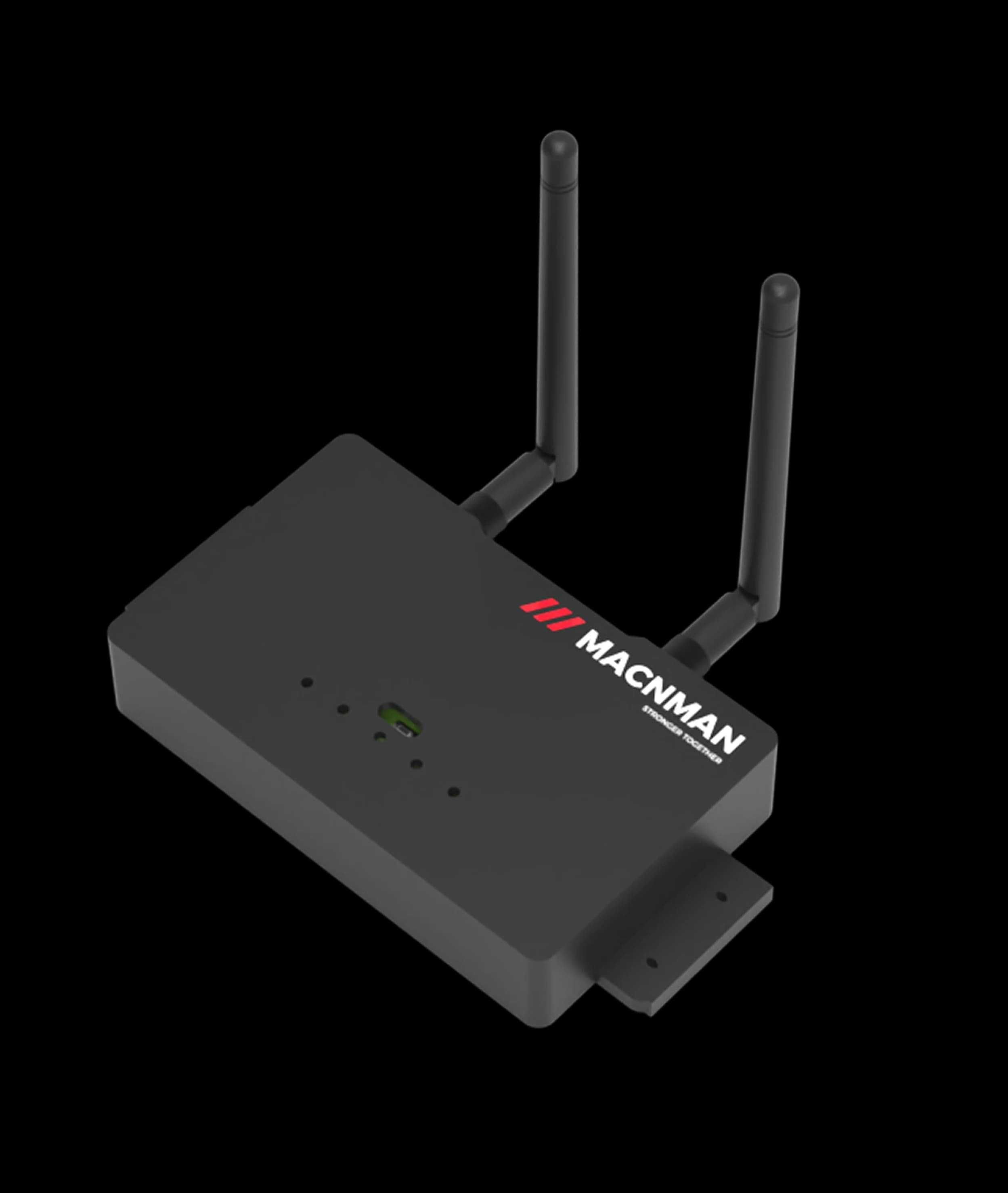
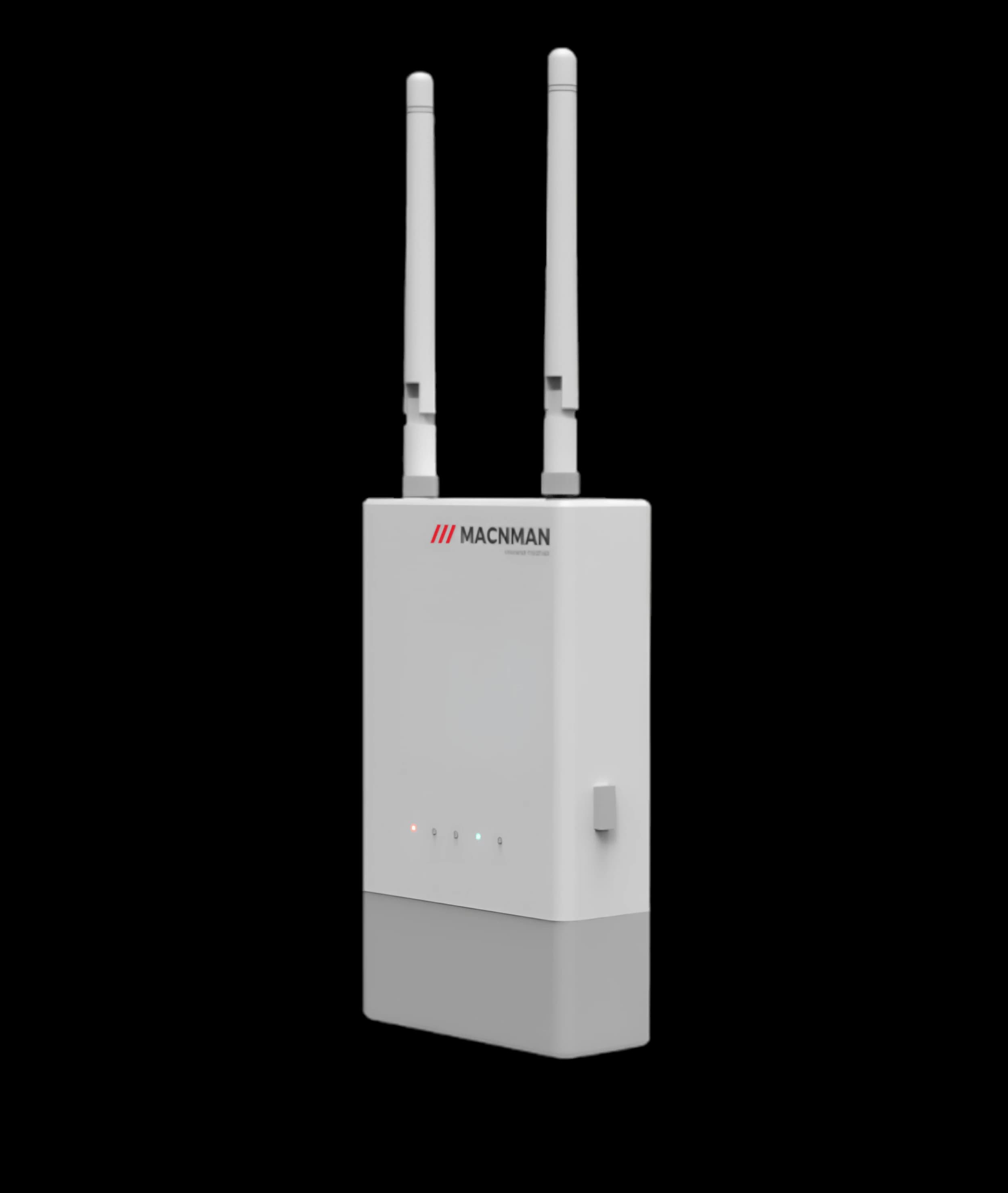
Macnman builds two full gateways in Pune — the Setu X1 for indoor sites and the MacLink Gen-2 for outdoor masts — and single-channel gateways for small deployments. All of them register with ChirpStack, The Things Network and private network servers.
Products
LoRaWAN gateways with their own product pages
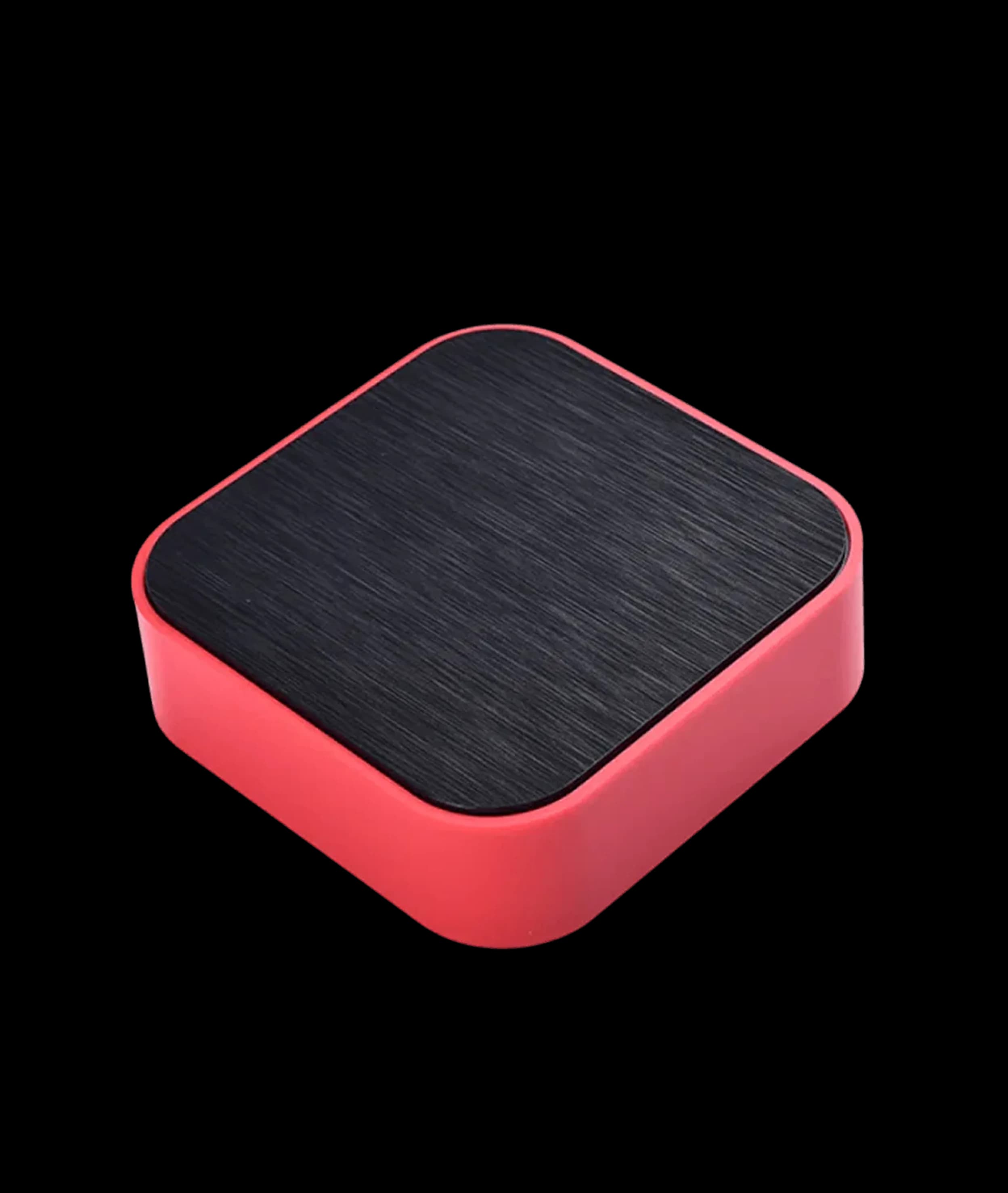
Setu X1
Indoor LoRaWAN Gateway
8-channel indoor gateway for buildings, warehouses and indoor campuses, with PoE and MQTT/HTTPS backhaul.
- 8-channel indoor
- PoE
- MQTT / HTTPS backhaul
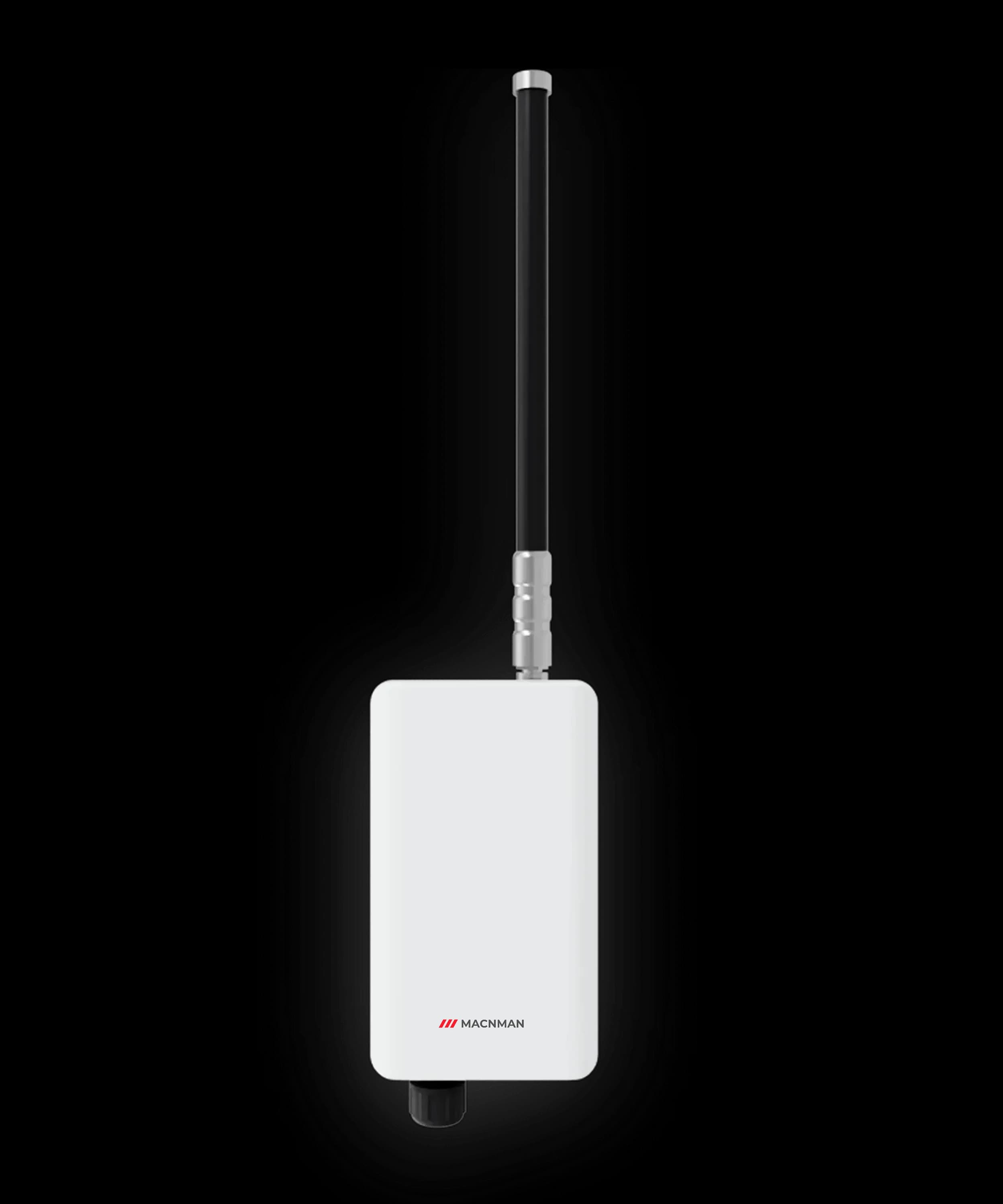
MacLink Gen-2
Outdoor LoRaWAN Gateway
Rugged 8-channel outdoor gateway for masts and poles, with PoE and Modbus-TCP, covering kilometres of open site.
- 8-channel outdoor
- PoE
- Modbus-TCP
Single-channel gateways (datasheets)
Choosing a gateway
Indoor or Outdoor LoRaWAN Gateway?
Both are full 8-channel gateways on the same network servers. The difference is where they mount and how far they have to reach.
| Compare | Setu X1 — indoor | MacLink Gen-2 — outdoor |
|---|---|---|
| Where it mounts | Inside a building, on a wall or a shelf | On a mast or pole, outdoors |
| Typical coverage | A building, a floor or an indoor campus | Kilometres across an open site |
| Backhaul | Ethernet with PoE; MQTT or HTTPS to the server | Ethernet with PoE; Modbus-TCP and standard network-server backhaul |
| Choose it when | The sensors are inside the building | The sensors are spread across a site or outdoors |
For a campus with both indoor and outdoor sensors, an outdoor gateway on the roof usually covers both; the coverage calculator shows when a second gateway is worth adding.
FAQ
Frequently asked questions
It receives the radio uplinks from every LoRaWAN sensor in range, forwards them over the internet or a local network to a LoRaWAN network server, and sends downlink commands back to the sensors. It does not store or interpret the data itself; the network server and your application do that.
Often one. A gateway covers a whole building indoors and kilometres outdoors, and serves hundreds of sensors. A second gateway is added for redundancy, for a site with obstructed areas, or when the number of messages grows. The LoRaWAN gateway and coverage calculator on this site estimates the count for a given area, terrain and device count.
Choose the indoor Setu X1 when the sensors are inside the building the gateway sits in. Choose the outdoor MacLink Gen-2 when sensors are spread across a site, a farm or a city block, or when a rooftop or mast position is available; height is what gives a gateway its range.
A single-channel gateway listens on one frequency and one spreading factor, which suits a pilot or a handful of devices that are configured to match it. An 8-channel gateway receives on all channels and spreading factors at once, which is what a standards-compliant LoRaWAN network needs as it grows.
ChirpStack, The Things Network, Orbiwise, Netmore and private on-premise network servers. Registration guides for each are in the documentation.
As high as the site allows: range is set mostly by antenna height and line of sight. The LoRaWAN antenna height planner on this site draws the path profile and shows the mast height needed for a target distance.
Let‘s make it easy - reach out now!
Let’s bring it to life!
Let‘s Make it Easy
Reach Out Now


We are always ready
to help and
answer your
questions
Call
+91 7972856163
+91 9096830856
Location
Office-15 Bibwewadi, Pune, Maharashtra 411037
Get in Touch
Define your goals and all to value your time
Use of this website and purchase of Macnman products are subject to our Terms and Conditions.