Wi-Fi range
Wi-Fi Sensors
Battery-operated sensors that publish to MQTT or HTTPS over the Wi-Fi you already have
A Wi-Fi sensor joins the wireless network a site already has and publishes its readings straight to an MQTT broker or HTTPS endpoint — no gateway, no network server and no SIM card. That makes it the simplest option for a building, a cold store, a greenhouse or a lab where Wi-Fi already reaches, and Macnman's sensors run on an internal 19 Ah battery so nothing has to be wired.
Each sensor stores 30,000 readings on the device and uploads them when the connection returns, secures the link with WPA2 or WPA3 and TLS, and is configured from the Maya app over Bluetooth. Where sensors sit beyond Wi-Fi reach, the same measurements are available in the LoRaWAN range.
Products
Wi-Fi sensors with their own product pages

MacSync WT1
Wi-Fi Temperature & Humidity Sensor
Battery-powered temperature and humidity with on-board logging, for cold rooms, warehouses, labs and server rooms.
- Temperature and humidity
- Internal or external probe
- Cold rooms, warehouses, labs
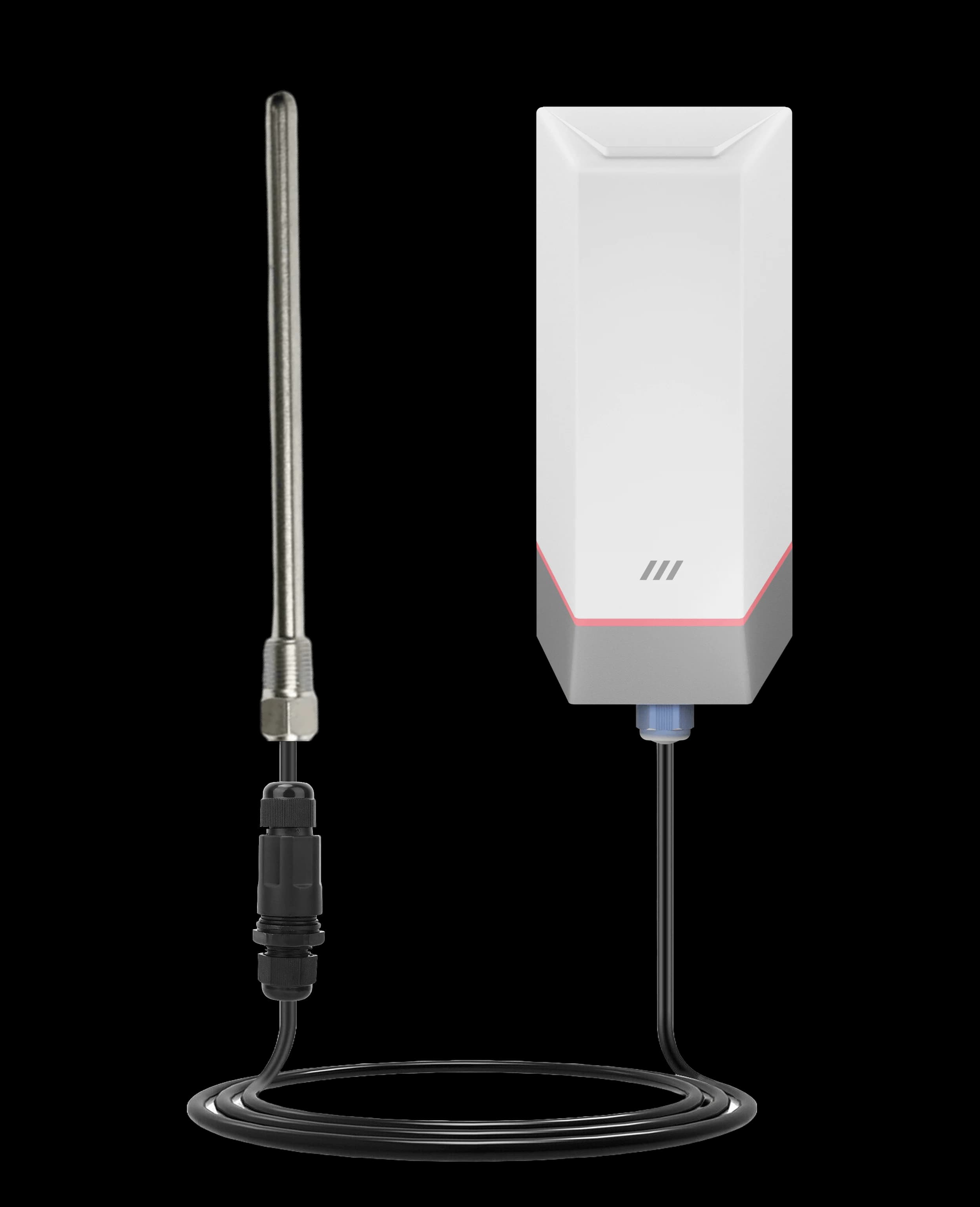
MacSync W RTD
Wi-Fi RTD Temperature Sensor
PT100 and PT1000 probe temperature from −200 to +850 °C for freezers, ovens and pipelines.
- PT100 or PT1000 probe
- −200 to +850 °C
- Freezers, ovens, pipelines
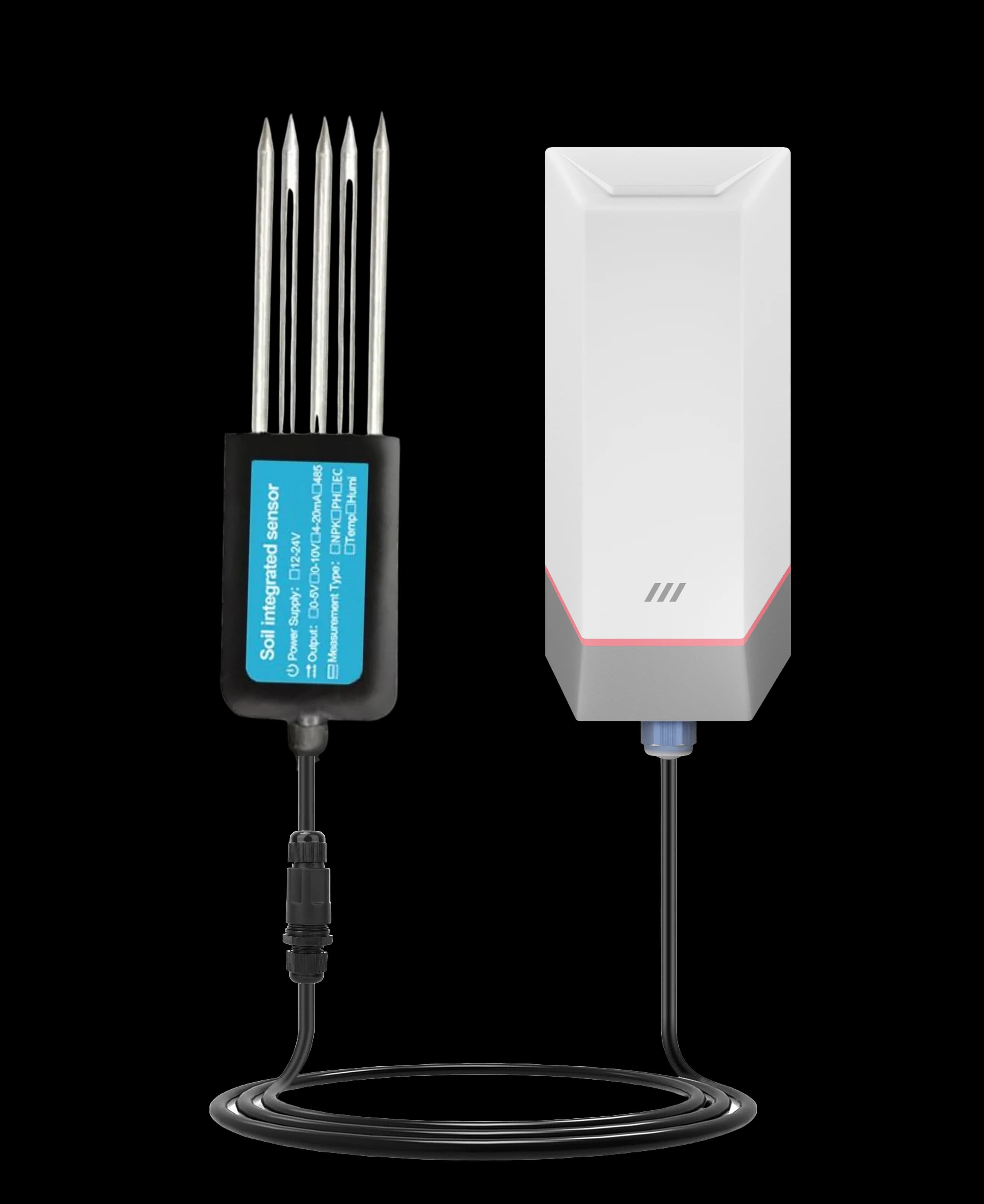
MacSync Wi-Fi 7-in-1
Wi-Fi 7-in-1 Soil Sensor
Soil moisture, temperature, EC, pH and NPK from one buried probe, for greenhouses, nurseries and gardens.
- Moisture, temperature, EC, pH, NPK
- Outdoor, IP65 transmitter
- Greenhouses and nurseries
Choosing a network
Wi-Fi or LoRaWAN Sensor?
Macnman builds most measurements for both networks, so the honest answer depends on where the sensors sit.
| Compare | Wi-Fi sensor | LoRaWAN sensor |
|---|---|---|
| Network it needs | The Wi-Fi already on site | A LoRaWAN gateway |
| Reach | Typically up to 100 m from an access point | Kilometres from one gateway |
| Route to your platform | Direct, over MQTT or HTTPS | Through a LoRaWAN network server |
| Energy per message | Higher: each upload is a Wi-Fi connection | Lower: a short radio burst |
| Choose it when | Sensors sit inside Wi-Fi coverage | Sensors are spread across a large or outdoor site |
The free IoT technology selector on this site weighs device count, site size, reporting interval and power source and recommends a network.
FAQ
Frequently asked questions
No. Macnman Wi-Fi sensors join your existing 2.4 or 5 GHz network directly and publish to your MQTT broker or HTTPS endpoint. There is no gateway, hub or proprietary receiver to buy or maintain.
Typically up to 100 m indoors, depending on walls, racking and machinery. The Wi-Fi network planner on this site estimates how many access points a building needs for a sensor fleet.
The sensors run on a 19 Ah cell and spend most of their life asleep; what costs energy is each Wi-Fi connection. At 15-minute to hourly uploads that is several years. The Wi-Fi battery life calculator on this site models the connection sequence for your interval and network settings.
Nothing is lost. Each sensor stores up to 30,000 records on the device and uploads them when the network or the server comes back.
Any MQTT broker or REST endpoint: AWS IoT Core, Microsoft Azure IoT Hub, Google Cloud, a private cloud or an on-premise server, and from there SCADA, BMS or analytics systems. There is no mandatory vendor cloud.
The Wi-Fi link uses WPA2-PSK or WPA3 and the data is carried with TLS encryption to the server. Firmware is protected by secure boot and signed over-the-air updates.
Plan and learn
Related pages and tools
Let‘s make it easy - reach out now!
Let’s bring it to life!
Let‘s Make it Easy
Reach Out Now


We are always ready
to help and
answer your
questions
Call
+91 7972856163
+91 9096830856
Location
Office-15 Bibwewadi, Pune, Maharashtra 411037
Get in Touch
Define your goals and all to value your time
Use of this website and purchase of Macnman products are subject to our Terms and Conditions.