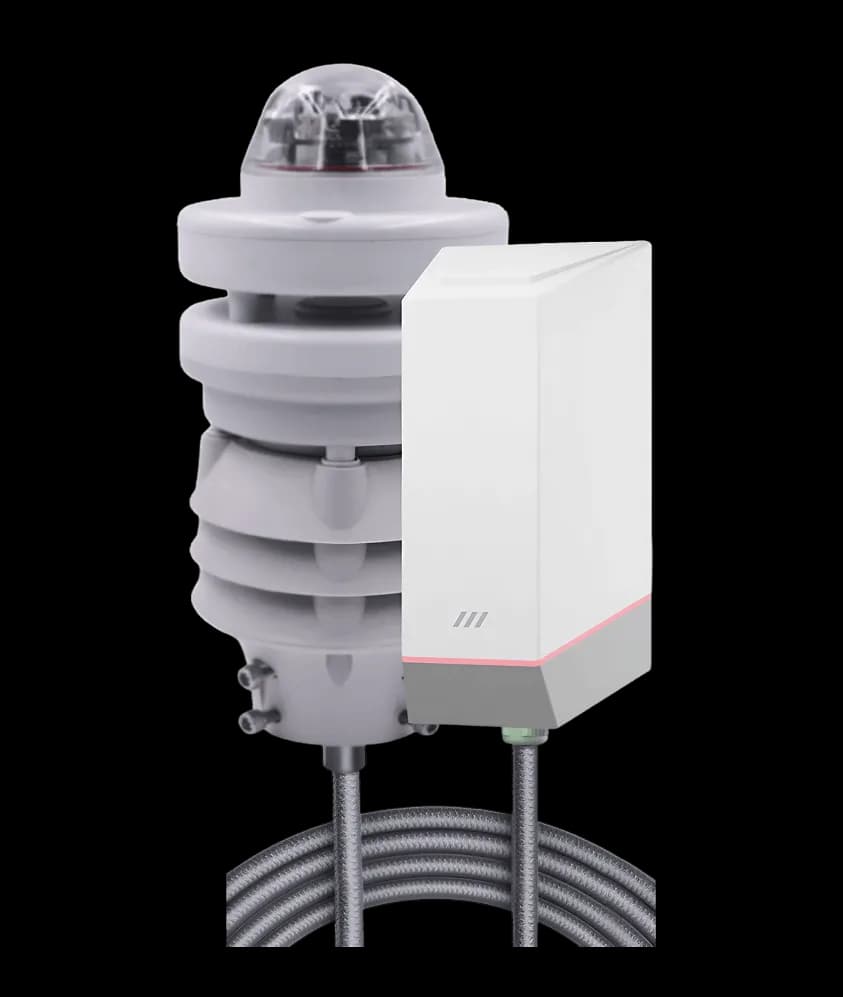
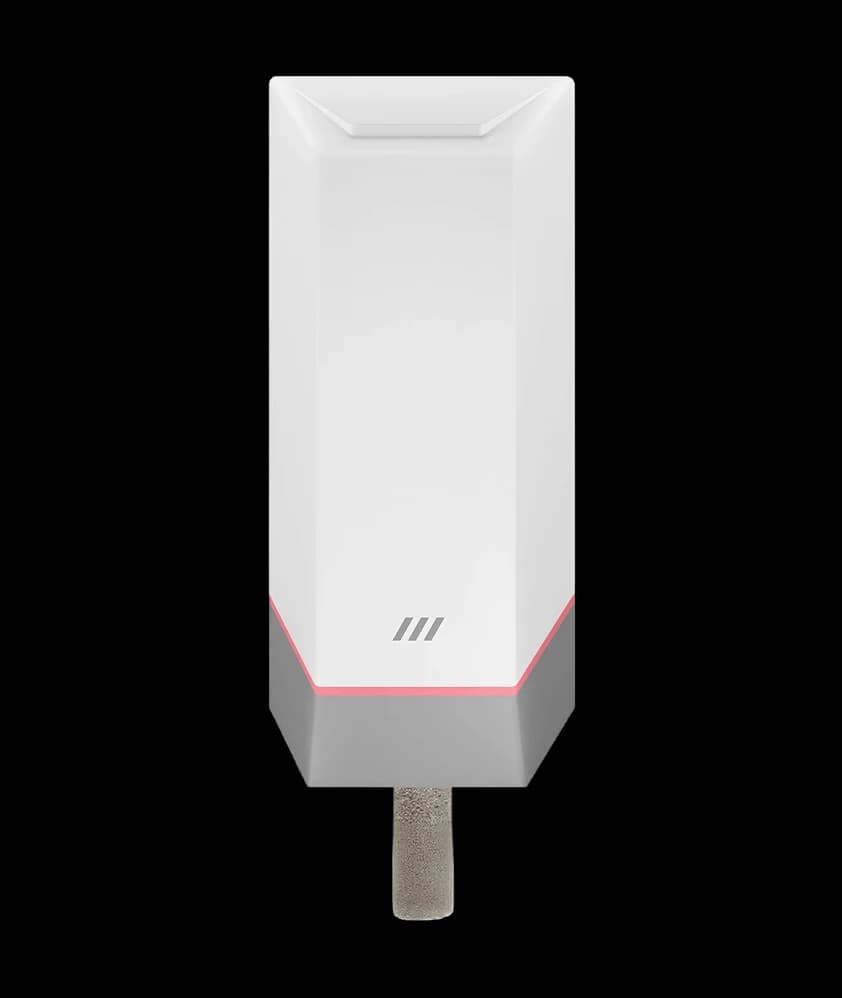
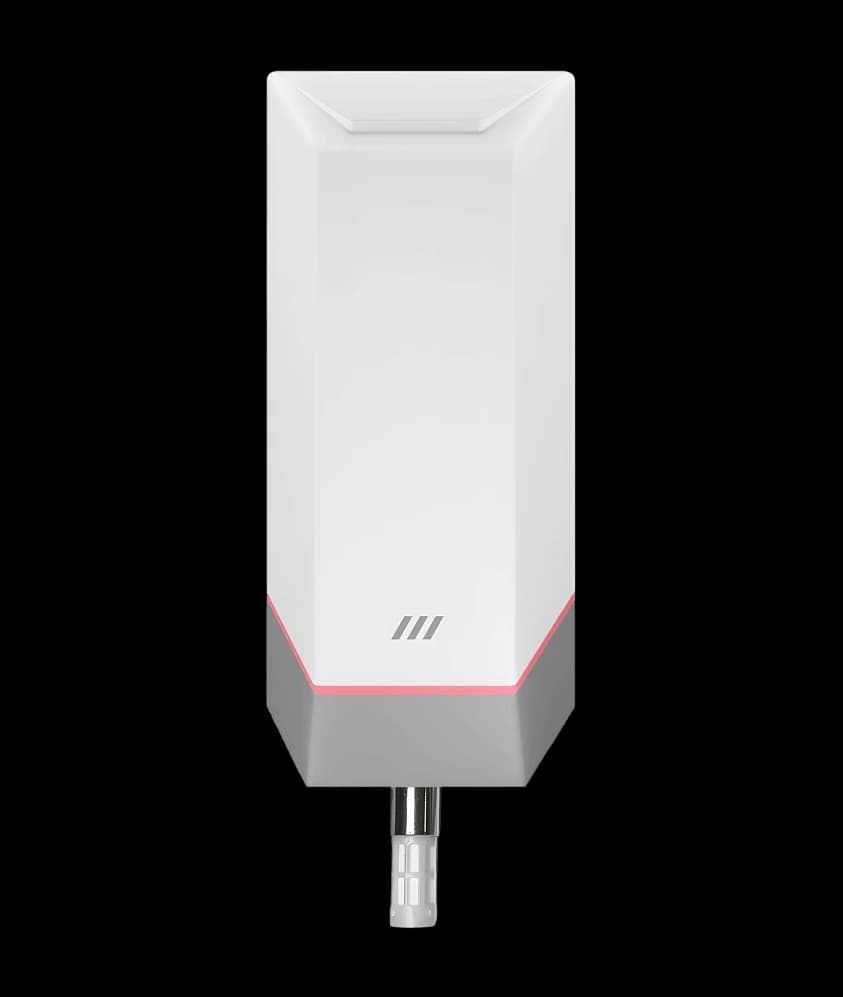
01 · SOIL & WEATHER
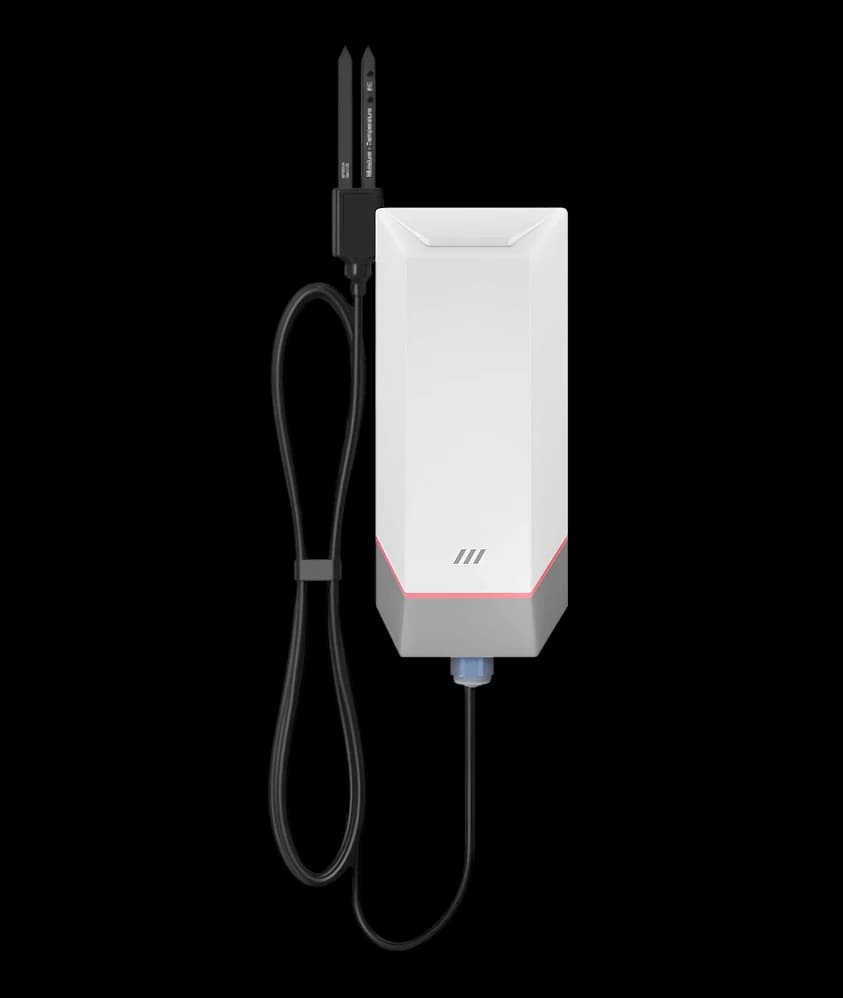
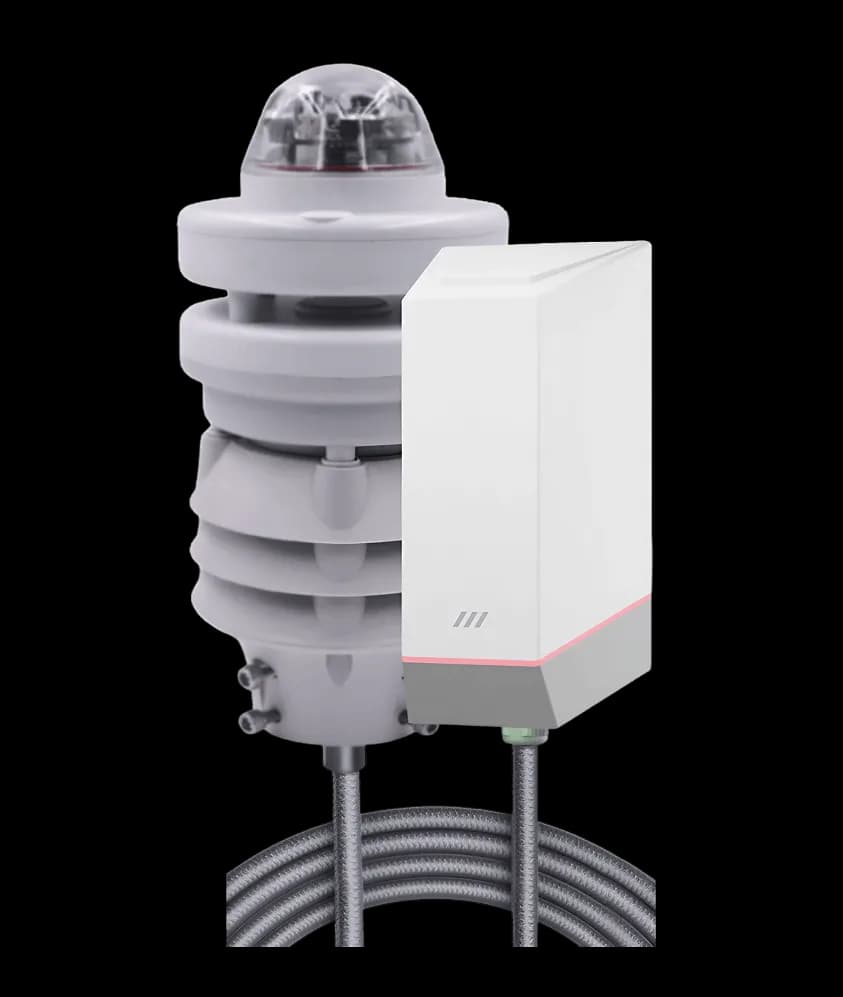
Soil and weather sensors
Moisture and temperature at root depth, or seven soil parameters from one probe, plus weather stations and a rainfall sensor for the plot itself.
- Moisture · EC · pH · NPK
- Stainless probe
- Battery or solar
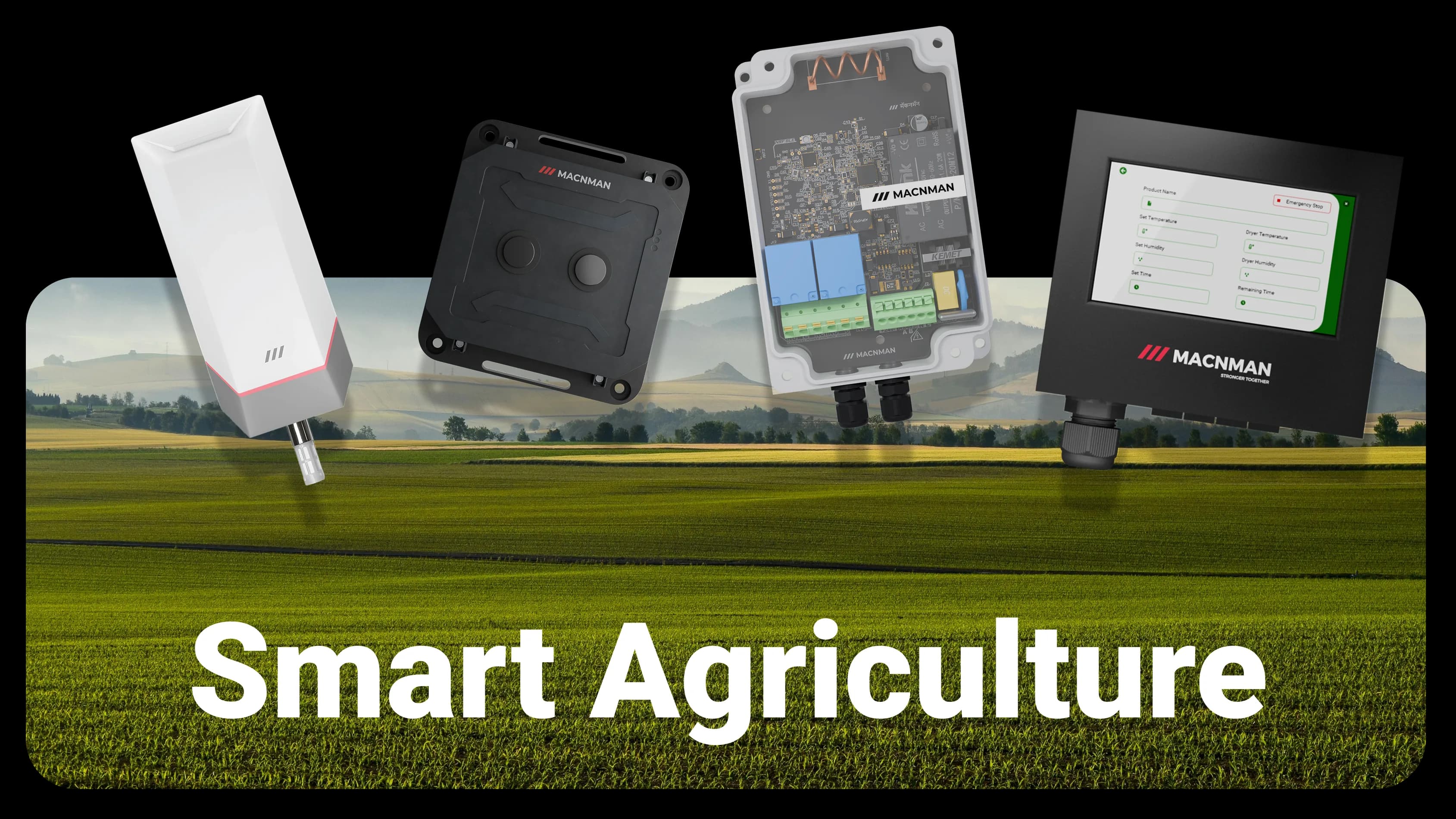
Designed and manufactured in Pune on open standards: LoRaWAN, Wi-Fi and 4G, with your data on your own dashboard
Designed and manufactured in Pune on open standards:
LoRaWAN, Wi-Fi and 4G, with your data on your own dashboard
In plain terms
Smart farming IoT solutions, also called smart agriculture or precision farming solutions, put wireless sensors in the field, the greenhouse, the water tank and the cold store, so soil moisture, climate, water level and storage conditions reach a phone or dashboard automatically, and pumps and valves can be switched from the same place.
Macnman builds the hardware for it: soil, weather, level and climate sensors, controllers and LoRaWAN gateways on open standards, so the data goes to the platform you choose.
Your farm
Soil, weather, level, climate
Flow meters, pump panels
Pumps, valves, fans
LoRaWAN, Wi-Fi, 4G
MQTT, HTTPS, your server
Five steps from the field to the screen. Macnman makes the hardware for the first four; the fifth is the software you already use or choose.
The problem
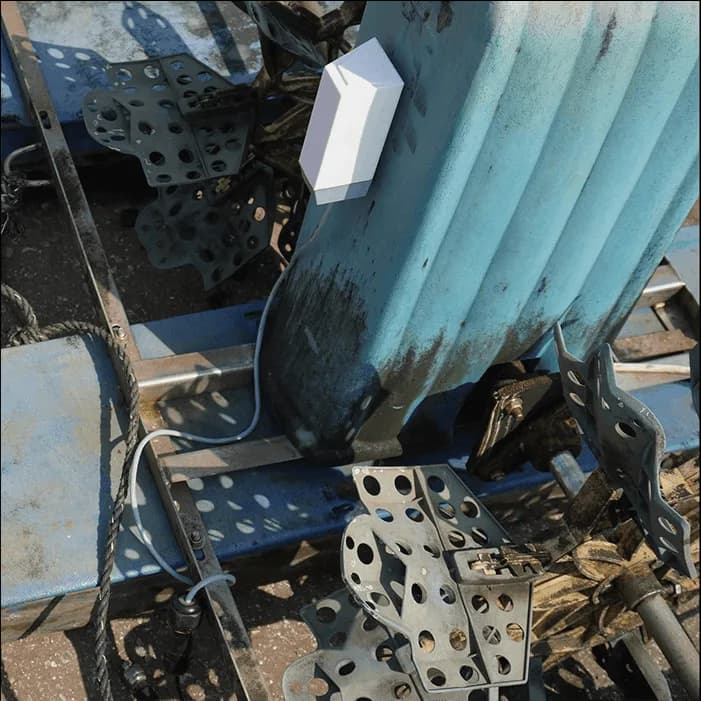
Farms lose yield to guesswork: irrigation on a calendar instead of on soil moisture, climate that is noticed after the damage, tanks that run dry and stores that drift. Each one is a measurement that is not being taken.
Inefficient Water Management
No Real-Time Soil Data
Unpredictable Climate Conditions
High Labour Dependency
Post-Harvest Storage Losses
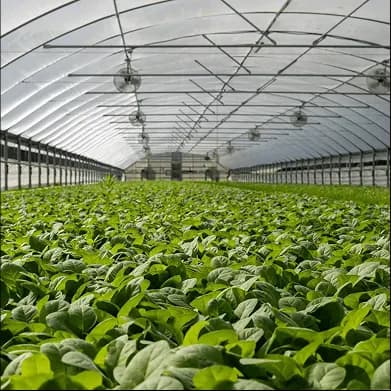
Limited Field Visibility
Get a quote
Tell us the crop, the acreage, the water source, how many pumps there are and whether the field has mobile signal. A product engineer replies within one working day with the kit for a pilot plot.
Irrigation, polyhouse climate, tank level, cold storage, sheds and ponds, with the hardware behind each
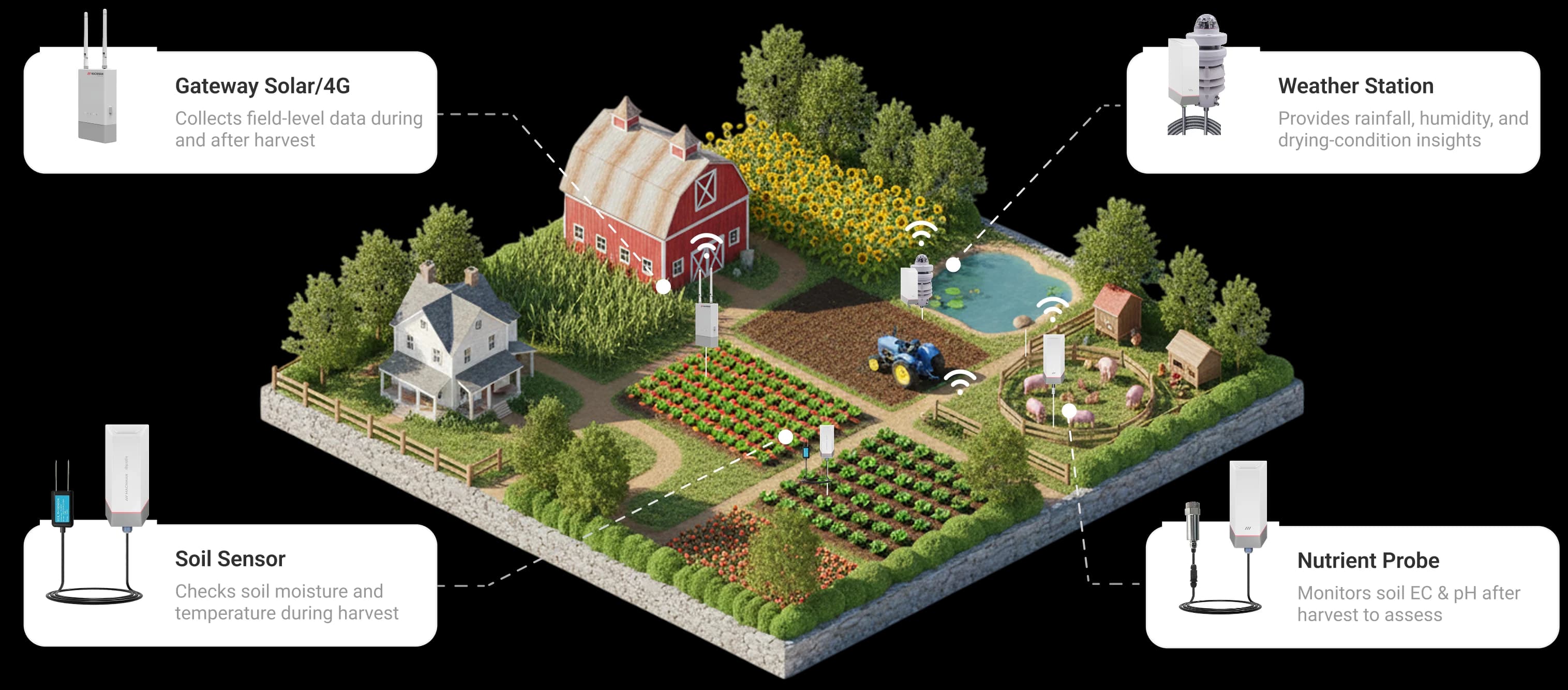
01 / 06
Greenhouse Climate
Canal & Tank Level
Cold Storage
Livestock Sheds
Aquaculture Ponds
Tell us the crop, the area and the water source — we will specify the kit.
Application map
Start from the job, not the catalogue. Each row is a monitoring or control task found on most Indian farms, with the Macnman device that does it and the network it runs on.
Soil moisture and temperature
Volumetric water content and soil temperature at root depth, for irrigation timing
Macnman device
Network
LoRaWAN · Wi-Fi
Soil nutrients and salinity
Electrical conductivity, pH, salinity and N, P, K trend from one probe
Macnman device
MacSync LSS X5 7-in-1 soil sensorLoRaWAN soil pH sensorLoRaWAN soil EC sensorLoRaWAN soil NPK sensorNetwork
LoRaWAN
Field weather and rainfall
Rainfall, wind speed and direction, temperature and humidity at the plot
Macnman device
Network
LoRaWAN
Greenhouse and polyhouse climate
Temperature, humidity and CO₂ inside the structure
Macnman device
Network
LoRaWAN · Wi-Fi
Tanks, canals and borewells
Level by distance to the water surface; depth from a 4–20 mA level transmitter
Macnman device
Network
LoRaWAN
Irrigation and pond water quality
pH and electrical conductivity of irrigation water and aquaculture ponds
Macnman device
Network
LoRaWAN
Pumps, valves and fertigation
Remote switching, schedules, cycles, threshold rules and run status
Macnman device
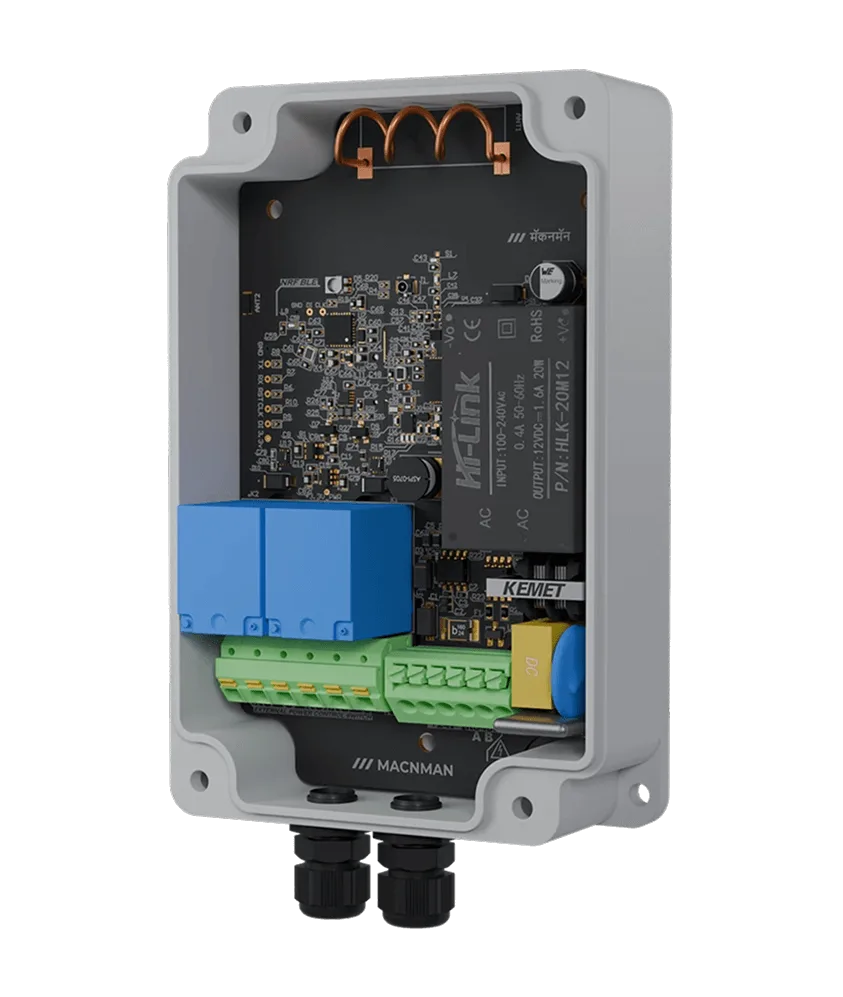 MacSet LX1 LoRaWAN controller
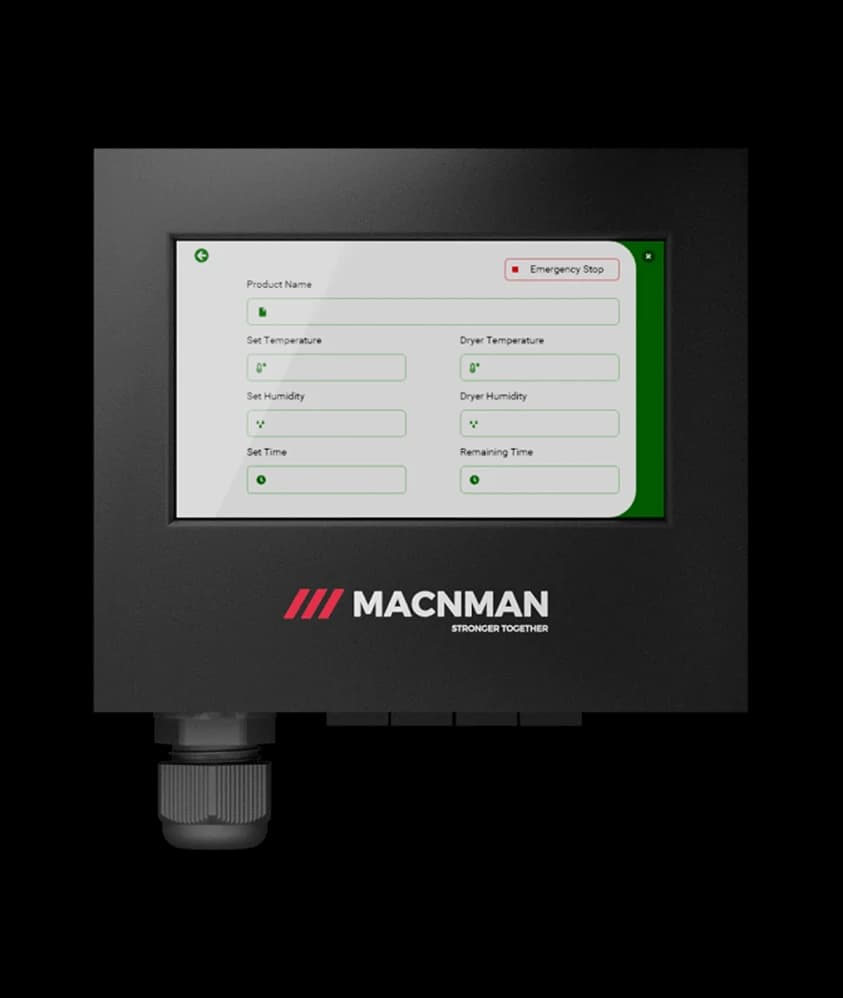 MacSet LX2 eight-output controller
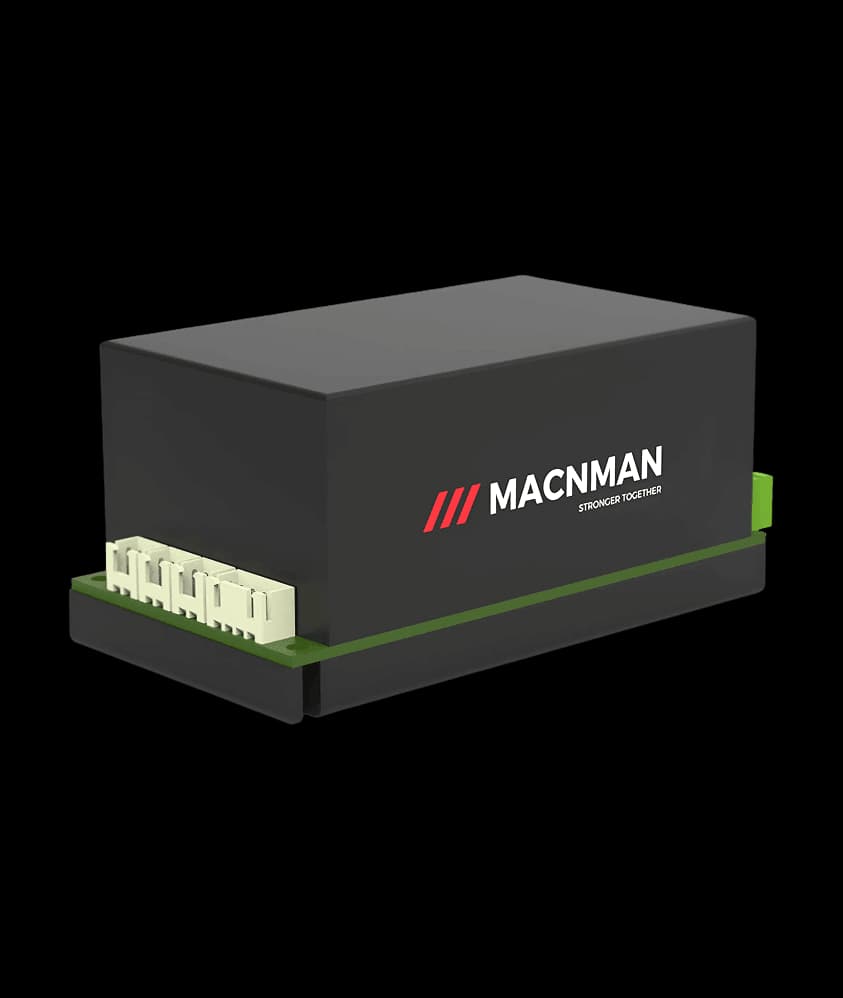 MacSet WX1 Wi-Fi controllerMacSet CX1 4G controller
Network
LoRaWAN · Wi-Fi · 4G
Flow meters and pump panels
Modbus flow and energy meters, drive and panel registers, 4–20 mA transmitters
Macnman device
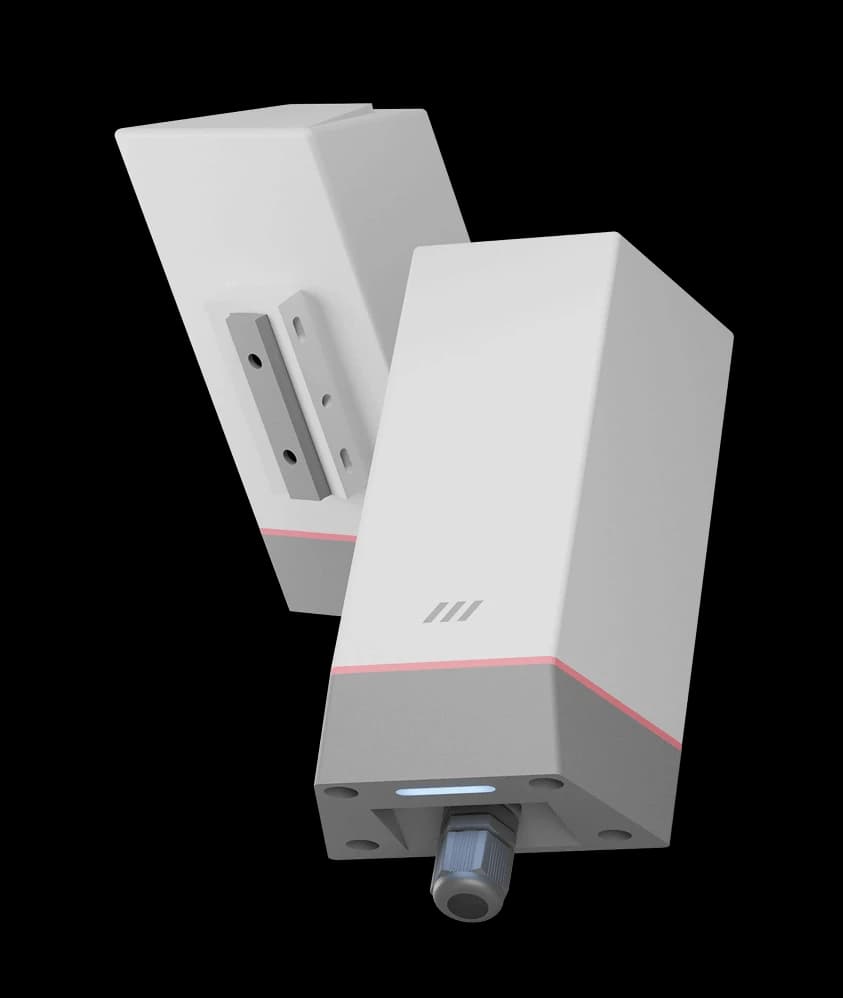 MacSync LX1 RS485 to LoRaWAN converter
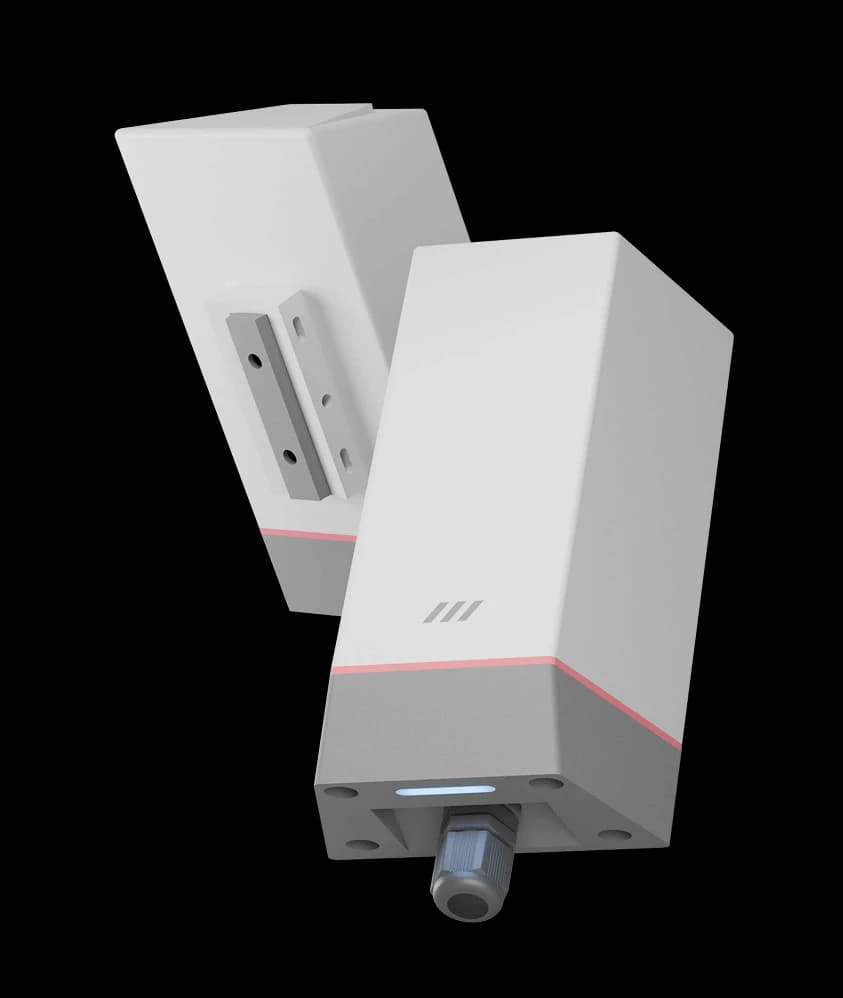 MacSync LX1 analog to LoRaWAN converter
 MacSync WX1 RS485 to Wi-Fi converter
Network
LoRaWAN · Wi-Fi
Cold stores and ripening rooms
Temperature, humidity, CO₂, ethylene and door events
Macnman device
Network
LoRaWAN
Livestock sheds and poultry
Shed temperature and humidity, ammonia and hydrogen sulphide
Macnman device
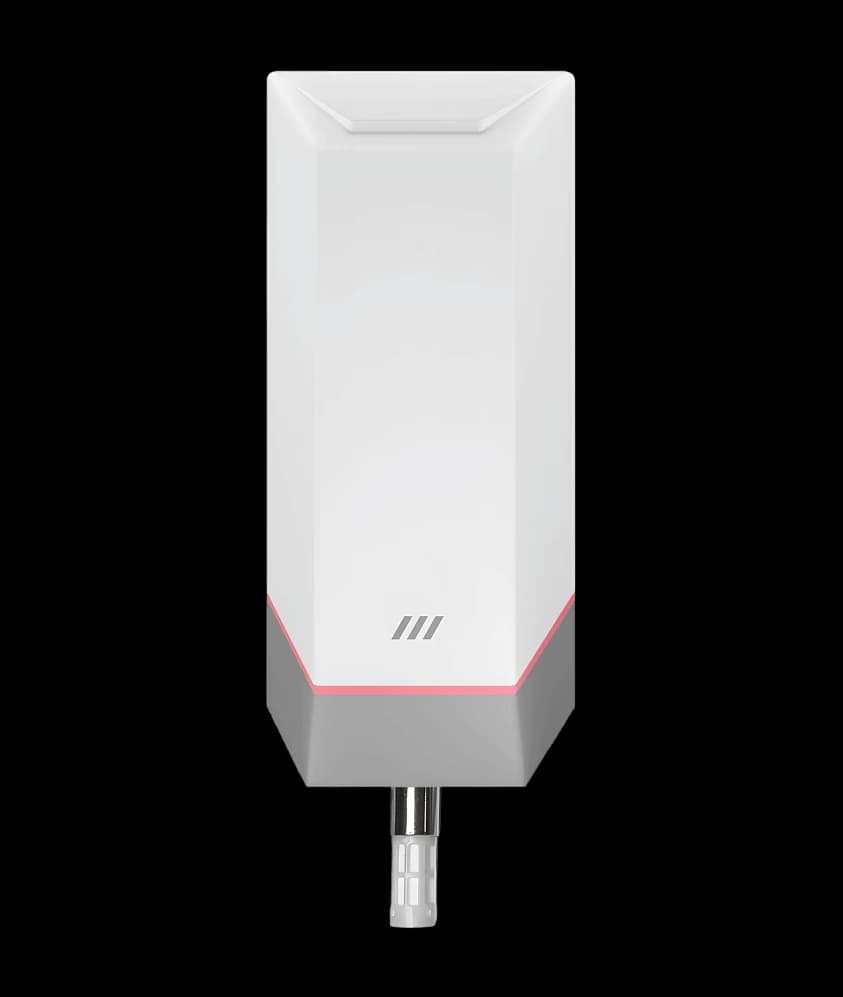 LoRaWAN temperature and humidity sensor
 NH₃ and H₂S odor sensorMacSync L Odor X2 electrochemical NH₃ and H₂S sensor
Network
LoRaWAN
Diesel for pump sets and generators
Fuel level in day tanks, refills and unexplained drops
Macnman device
Network
LoRaWAN
Farm-wide coverage
The LoRaWAN network that carries every device above
Macnman device
Network
4G, Ethernet or Wi-Fi backhaul
| Application | What you measure | Macnman device | Network |
|---|---|---|---|
| Soil moisture and temperature | Volumetric water content and soil temperature at root depth, for irrigation timing | LoRaWAN · Wi-Fi | |
| Soil nutrients and salinity | Electrical conductivity, pH, salinity and N, P, K trend from one probe | LoRaWAN | |
| Field weather and rainfall | Rainfall, wind speed and direction, temperature and humidity at the plot | LoRaWAN | |
| Greenhouse and polyhouse climate | Temperature, humidity and CO₂ inside the structure | LoRaWAN · Wi-Fi | |
| Tanks, canals and borewells | Level by distance to the water surface; depth from a 4–20 mA level transmitter | LoRaWAN | |
| Irrigation and pond water quality | pH and electrical conductivity of irrigation water and aquaculture ponds | LoRaWAN | |
| Pumps, valves and fertigation | Remote switching, schedules, cycles, threshold rules and run status | LoRaWAN · Wi-Fi · 4G | |
| Flow meters and pump panels | Modbus flow and energy meters, drive and panel registers, 4–20 mA transmitters | LoRaWAN · Wi-Fi | |
| Cold stores and ripening rooms | Temperature, humidity, CO₂, ethylene and door events | LoRaWAN | |
| Livestock sheds and poultry | Shed temperature and humidity, ammonia and hydrogen sulphide | LoRaWAN | |
| Diesel for pump sets and generators | Fuel level in day tanks, refills and unexplained drops | LoRaWAN | |
| Farm-wide coverage | The LoRaWAN network that carries every device above | 4G, Ethernet or Wi-Fi backhaul |
Hover a device to see its name; click it to open the product page, or the datasheet where there is no page yet. If your crop or site is not covered, tell us what you want to measure and we will say what fits.
The hardware
Four device families cover the path from the field to your dashboard, all designed and manufactured by Macnman in Pune.
01 · SOIL & WEATHER
Moisture and temperature at root depth, or seven soil parameters from one probe, plus weather stations and a rainfall sensor for the plot itself.
02 · MONITOR

Temperature, humidity, CO₂ and ethylene for greenhouses and cold stores; non-contact level for tanks and canals; fuel level for pump sets.
03 · CONTROL
Switch pumps, valves, fans and dosing from anywhere. Schedules, cycles and threshold rules run on the controller itself.
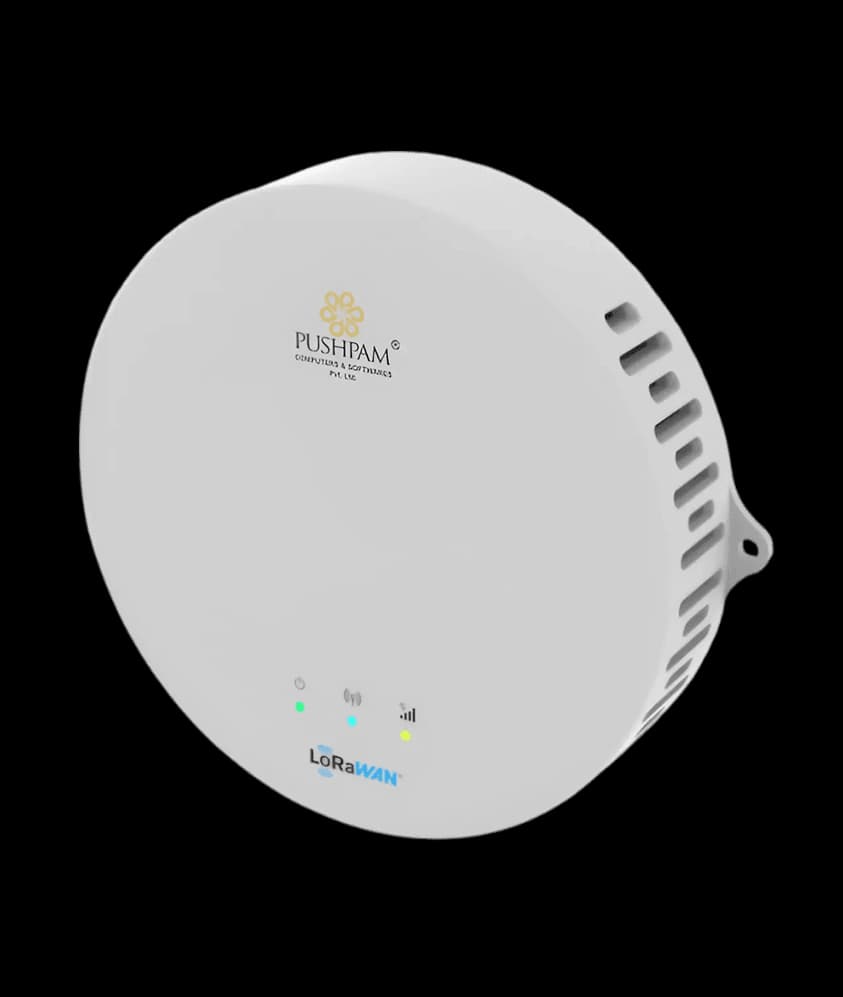
04 · CONNECT
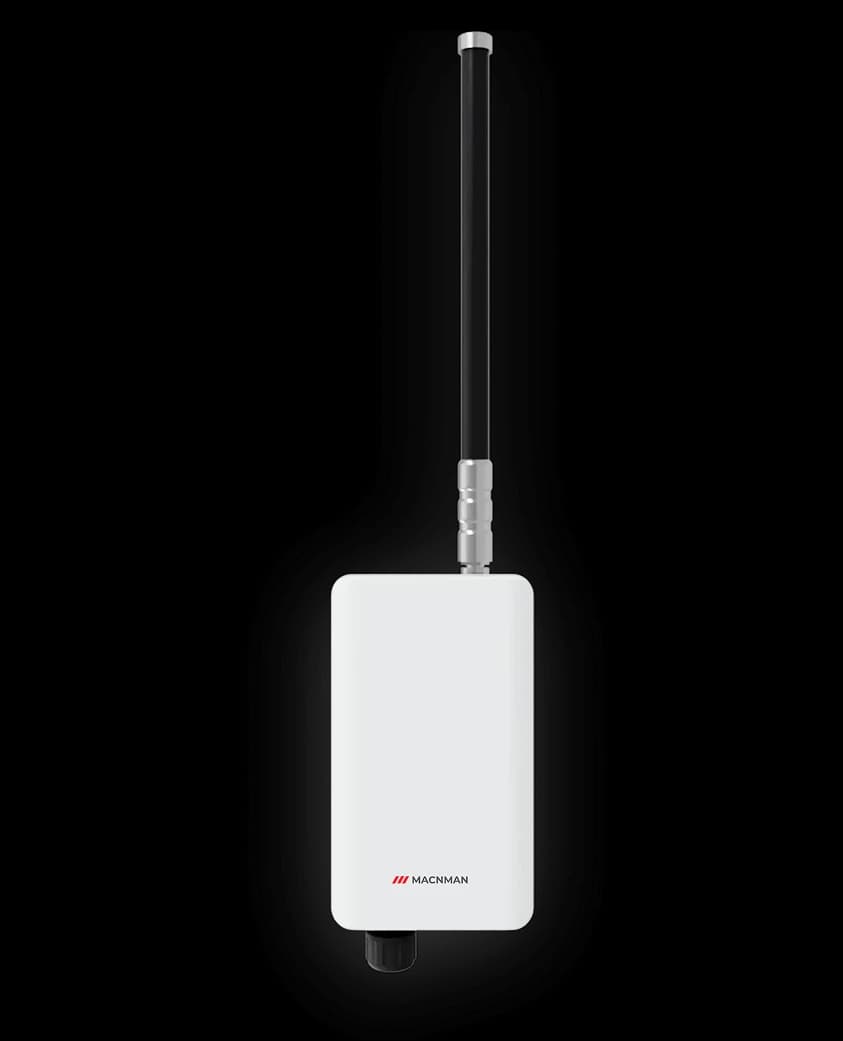
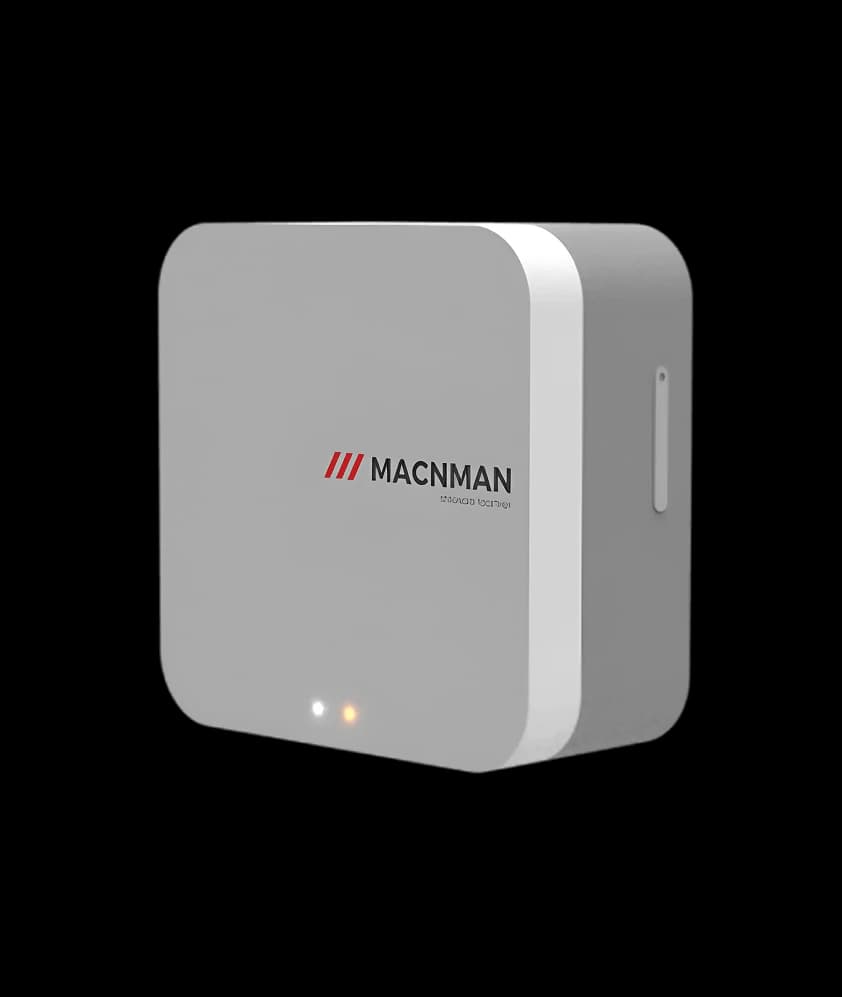
One outdoor gateway usually covers a farm or estate; an indoor gateway serves the packhouse or office. Eight channels and 4G, Ethernet or Wi-Fi backhaul.
Curious how all your sensors can talk seamlessly over LoRaWAN?
Read our LoRaWAN BookUse cases
& Automations Systems for Smart Agriculture

Temperature, humidity and CO₂ sensors read the air inside the structure, and aMacSet controller switches fans, foggers, pads and ventson a threshold or a schedule.Readings every few minutes and an alert on a limitshow a hot afternoon or a humid night while it can still be corrected.
Irrigation & Pump Automation: A soil moisture sensor at root depth and aMacSet controller on the pump or valveturn irrigation on a reading instead of a calendar.Flow and energy meters read through a MacSync converterconfirm the water actually moved and flag a dry run.
Tank, Canal & Borewell Water: The MacRay LUS X1 ultrasonic sensorreads tank and canal levels from above, without touching the water,and a 4–20 mA transmitter through a MacSync converter gives borewell depth.A pump controller acts on the level,so tanks are filled before they run dry and stopped before they overflow.
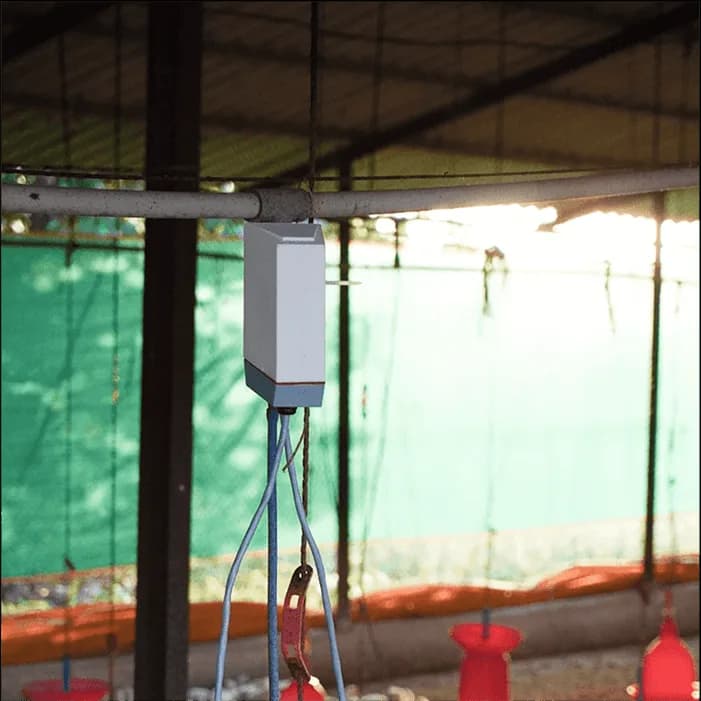
Dairy, Poultry & Livestock Sheds: Shed temperature and humidity, andammonia and hydrogen sulphide from the NH₃ and H₂S odour sensor,show when ventilation needs to run.A MacSet controller switches fans, sprinklers and lightsand the water tank level arrives on the phone.
Cold Storage & Ripening Rooms: Temperature, humidity, CO₂ andethylene sensors watch stored produce,and a door sensor records every opening.An alert on a thresholdcatches a store that warmed up overnight while the stock can still be saved.
Aquaculture Ponds: Water pH and EC sensorstrack pond water quality around the clock,and an ultrasonic sensor reads the level.A MacSet controller runs aerators and feederson a schedule or when a reading crosses a limit.
Pump House & Asset Security: A door sensor on the pump house andBluetooth tags on pump sets, motors and toolsreport an opening or a movement.A fuel level sensor on the diesel tankshows a refill or an unexplained drop the same day.
Soil Nutrients & Fertigation: The 7-in-1 soil probe reportsmoisture, temperature, EC, pH and N, P, K trendfrom one sensor in the root zone.Water EC and pH sensors and a dosing controllerkeep the fertigation mix in range instead of on a fixed recipe.
Packhouse & Dispatch: Temperature and humidity sensors in the packhouse,pre-cooling rooms and dispatch baysrecord the conditions produce sees before it leaves the farm.Bluetooth tags with motion sensingfollow crates and pallets inside the site.
Applications
A smart farm is built one application at a time. Pick one to see what it measures and the hardware behind it.
Soil moisture at root depth is the one number that decides when to irrigate. The MacSync LSS X2 reports volumetric water content and soil temperature over LoRaWAN on a battery, with a solar variant for permanent installs. Where fertigation needs more, the 7-in-1 probe adds electrical conductivity, pH, salinity and an N, P, K trend, on LoRaWAN or on the farm's Wi-Fi.
A MacSet controller switches the pump or the solenoid valve on a schedule, a cycle or a sensor threshold, and the rule runs on the controller itself, so a lost network does not stop the water. Its relays handle dosing pumps for fertigation, and the RS485 port reads the flow meter or the pump panel. Available for LoRaWAN, Wi-Fi and 4G, so a remote pump house without any network still connects.
A regional forecast does not know your plot. A MacSync weather station on the farm reports rainfall, wind speed and direction, temperature and humidity over LoRaWAN, and the optical rainfall sensor measures intensity without a tipping bucket to clean. Spraying windows, irrigation holds after rain and frost alerts all come from the station on site.
Inside a polyhouse the climate changes by the hour. Temperature and humidity sensors with internal or external probes, and a CO₂ sensor for enrichment control, report every few minutes; a MacSet controller switches fans, pads and vents on a threshold. Wi-Fi variants suit a greenhouse that already has an access point.
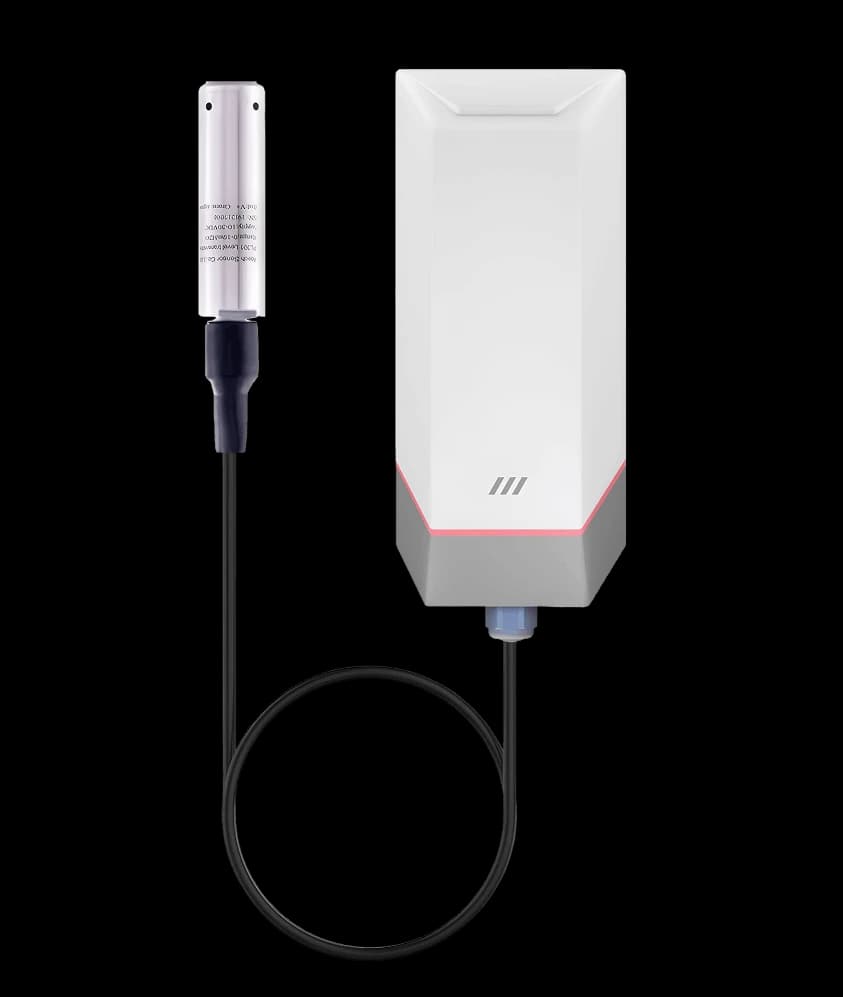
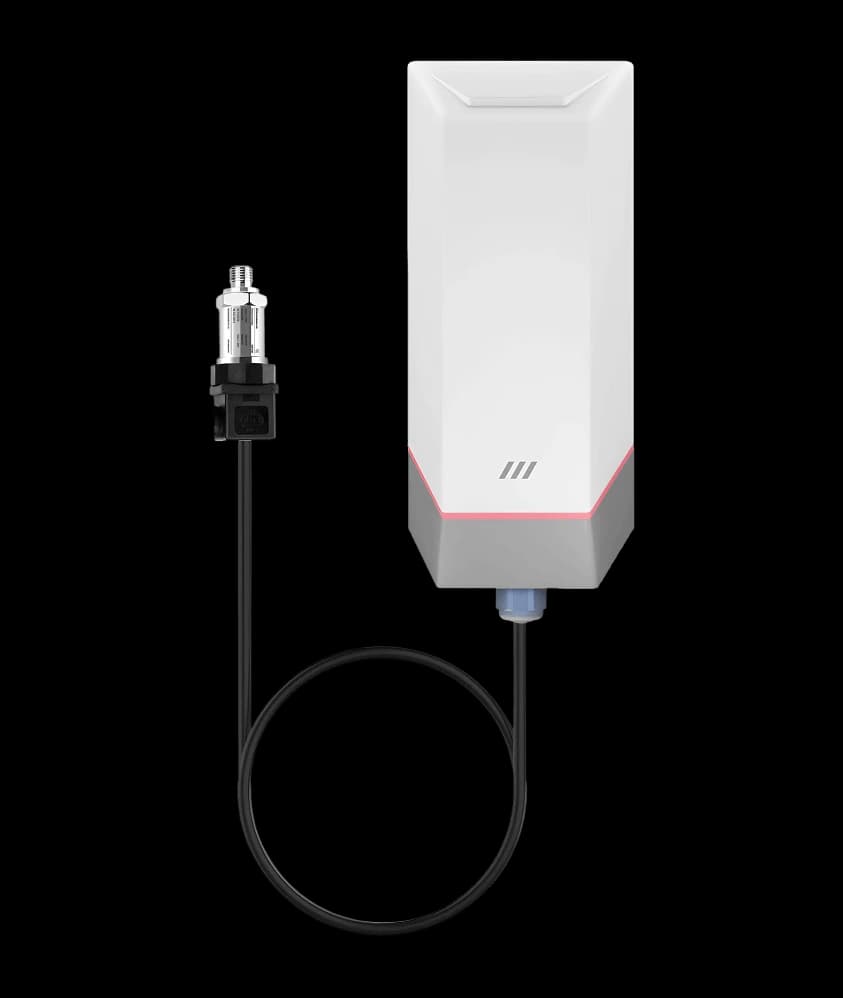
Overhead tanks, sumps, canals and open channels are read by the MacRay LUS X1 ultrasonic sensor from above the water, without contact, from 3 cm to 450 cm. For a borewell or a deep tank, a submersible 4–20 mA level transmitter connects through the MacSync analog converter, which also powers it. A low or high level can start or stop the pump through a MacSet controller.
Salinity and pH decide whether irrigation water helps or harms the crop, and in a fish or shrimp pond they move fast. Online pH and electrical conductivity sensors report over LoRaWAN between lab samples, and a weather station on the bund records the conditions that drive them. Aerators and pumps can be switched over the same network with a MacSet controller.
Post-harvest losses happen in the store. Temperature and humidity sensors report every few minutes and alert when a room drifts; a CO₂ sensor and an ethylene sensor watch ripening chambers; a door sensor records how long the door stood open. Choose LoRaWAN to cover a packhouse campus, or Wi-Fi where access points already reach the rooms.
Heat stress and ammonia build-up cut milk yield and bird weight before anyone notices. Temperature and humidity sensors and an NH₃ and H₂S sensor report shed conditions continuously, and a MacSet controller switches fans and foggers on a threshold. Feed and water tank levels come from the same ultrasonic sensor used on the farm's tanks.
Diesel for pump sets and generators is one of the largest cash costs on a farm and the easiest to lose. A capacitive fuel level sensor in the day tank reports the level over LoRaWAN, so every refill, the consumption between refills and any unexplained drop is on record.
Planning a Farm IoT Project? Let's Talk Through the Details Together
Chat with the ExpertsCapabilities
Smart, reliable, and precision-driven IoT hardware for every farm
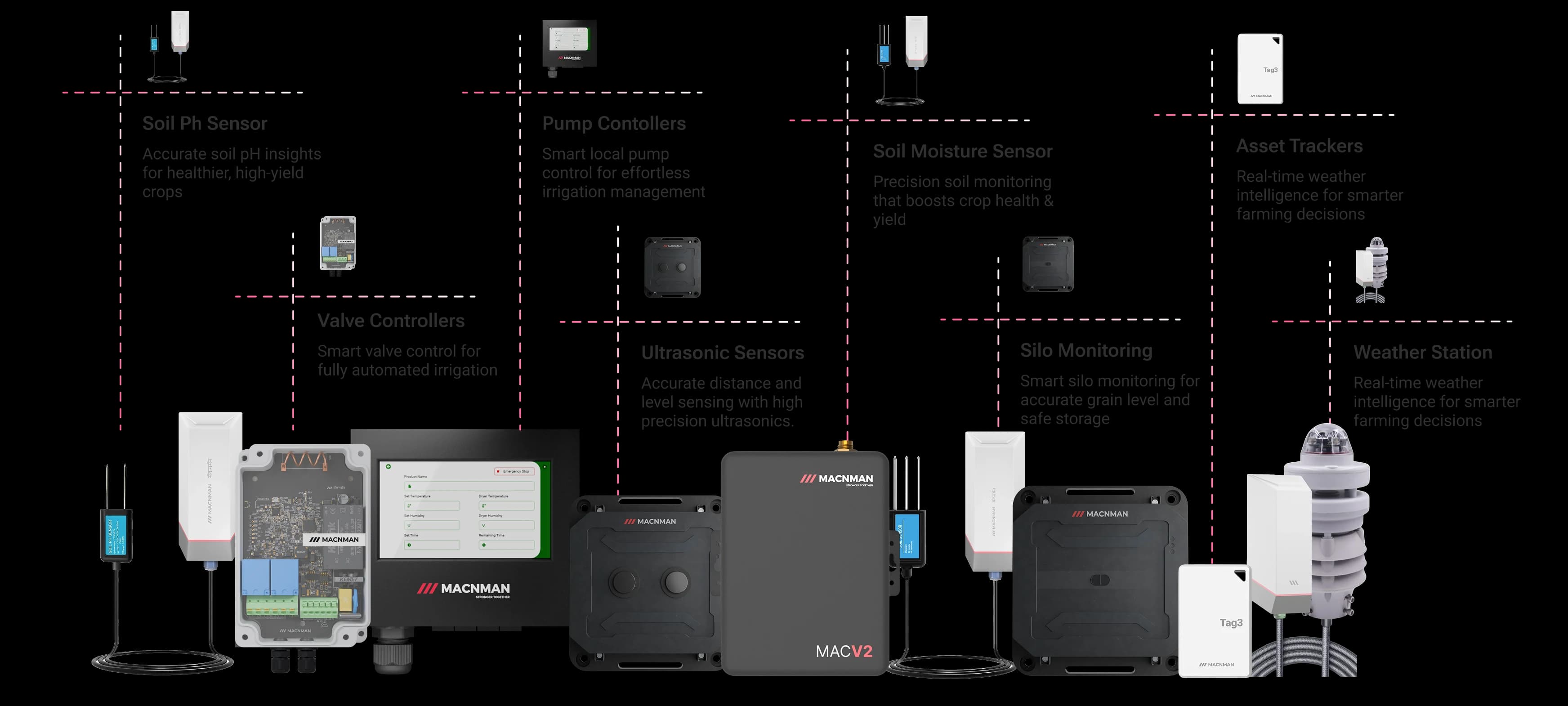
Why projects stall
Most growers already know what they want to measure. What stops them is the field itself: no power, no network, and equipment that was never meant to be connected.
Irrigation
Measure soil moisture at root depth, set a threshold, and let a controller switch the pump or valve when the reading crosses it. A soil sensor reports over LoRaWAN or Wi-Fi; a MacSet controller switches the pump on a schedule, a cycle or that threshold, and because the rule runs on the controller itself it keeps working if the network drops.
Start with one plot: a soil sensor, a controller on the pump and a gateway, and run it on your own dashboard or network server. The same network then takes on the next plots, the tank level, the flow meter and the weather station without new infrastructure.
Choosing a soil sensor
The same probe family on two networks. Pick by what you need to measure and what already exists at the site.
| Compare | MacSync LSS X2 | MacSync LSS X5 7-in-1 | Wi-Fi 7-in-1 |
|---|---|---|---|
| Measures | Soil moisture and temperature | Moisture, temperature, EC, pH, salinity and N, P, K | Moisture, temperature, EC, pH, salinity and N, P, K |
| Network | LoRaWAN | LoRaWAN | Dual-band 2.4 GHz and 5 GHz Wi-Fi |
| Infrastructure | A LoRaWAN gateway on the farm | A LoRaWAN gateway on the farm | The Wi-Fi already on site |
| Data goes to | Any LoRaWAN network server | Any LoRaWAN network server | An MQTT broker or HTTPS endpoint |
| Choose it when | Irrigation timing is the job and plots are spread out | Fertigation needs nutrient and salinity trend across the farm | A greenhouse, nursery or research plot sits inside Wi-Fi coverage |
Both LoRaWAN probes come in a battery version (19 Ah) and a solar version (20 W panel with an 8,000 mAh rechargeable battery), with MacTalk and Bluetooth variants for sites without a gateway. The datasheets carry the range and accuracy of each parameter.
Pump control
Most Indian farms switch the pump by phone today: a GSM motor starter with a SIM in the pump house. The MacSet LX1 does the same job on the farm's own LoRaWAN network and adds what a starter cannot do on its own: let a sensor decide.
| Compare | Typical GSM mobile motor starter | MacSet LX1 LoRaWAN controller |
|---|---|---|
| How you switch it | A call or SMS to the starter's SIM; some models have an app | From your dashboard or phone over LoRaWAN, or a rule that runs on the controller itself |
| Needs at the pump house | Mobile signal and a SIM that is kept recharged | A LoRaWAN gateway somewhere on the farm, kilometres away; no SIM and no recurring plan |
| Can a sensor trigger it | Only a device wired straight into the starter, typically a float switch | Yes: a soil moisture, tank level, flow or pressure reading on the same network sets the rule |
| Outputs | One motor, typically | Two 16 A relays on the LX1; eight outputs on the MacSet LX2 for a valve manifold |
| Feedback | Motor on or off; some report supply voltage | Run status, two digital inputs, two 4–20 mA and two 0–10 V channels, and RS485 for a flow or energy meter |
| When the network drops | Nothing happens until the call gets through | Schedules and threshold rules keep running on the controller; it reports when the link returns |
| Power | Mains at the starter | 230 V AC, or a 9–36 V DC variant for solar pump panels |
| Enclosure | Varies by maker | IP65 with an IP67 option, rated −40 °C to +80 °C |
GSM starter figures describe the category, not one product. MacSet figures are from its datasheet. For pumps above the relay rating the MacSet switches the starter's contactor coil, so the existing starter and its protection stay in place.
Compare: LoRaWAN soil moisture sensors compared, with sources · LoRaWAN pump and relay controllers compared · LoRaWAN ultrasonic tank level sensors compared · Outdoor LoRaWAN gateways compared · All comparisons
Polyhouse
Sensors inside the structure read temperature, humidity and CO₂, and a probe in the bed or grow bag reads moisture and EC. A MacSet controller switches fans, foggers, cooling pads, vents and drip valves when a reading crosses the limit you set, or on a schedule, and the readings and switching history reach your phone or dashboard.
Inside one polyhouse the Wi-Fi already there can carry the sensors; across a farm with many polyhouses, one LoRaWAN gateway carries them all and the open fields too. Start with one structure, prove the thresholds for a crop cycle, and copy the settings to the next.
By crop
Sugarcane, grapes, pomegranate, banana, plantations and polyhouse vegetables are measured differently. The rows list what growers in each commonly watch and the Macnman device that reads it; the thresholds come from your agronomist or your own first season of data.
| Crop | What is usually watched | Macnman devices | Network |
|---|---|---|---|
| Sugarcane, drip or furrow | Soil moisture at root depth for irrigation timing; EC where fertigation runs; pump hours and flow | MacSync LSS X2 soil sensor, 7-in-1 probe, MacSet LX1 on the pump, MacSync LX1 on the flow meter | LoRaWAN |
| Grapes | Canopy temperature and humidity, rainfall and drying conditions that growers use to time sprays; soil moisture under drip | MacSync LTS X1 temperature and humidity sensor, LWS X2 weather station or optical rain sensor, LSS X2 | LoRaWAN |
| Pomegranate and orchards | Soil moisture through stress and flowering periods; tank and borewell level feeding the drip | LSS X2, MacRay LUS X1 on the tank, MacSync LX1 analog converter on a borewell transmitter | LoRaWAN |
| Banana | High, steady water demand: soil moisture, tank level and pump control; wind at the plot | LSS X2, MacRay LUS X1, MacSet LX1, LWS X2 weather station | LoRaWAN |
| Tea, coffee and plantations | Rainfall and soil moisture across slopes kilometres apart, read without walking them | LSS X2 solar variant, LWS X2 weather station, MacLink Gen-2 gateway on a high point | LoRaWAN |
| Polyhouse vegetables and flowers | Temperature, humidity, CO₂, substrate moisture and EC; fans, foggers and drip on thresholds | Temperature and humidity and CO₂ sensors, 7-in-1 probe (Wi-Fi or LoRaWAN), MacSet LX1 or LX2 | Wi-Fi · LoRaWAN |
What to measure is listed; how much water or fertiliser to give is not. The devices report the readings; the agronomy stays with you.
Architecture
Four stages. The first is the farm you already run and the last is the software you choose; Macnman builds what sits between them.
01
Fields, polyhouses, tanks, canals, pump houses, sheds and cold stores: the assets you already manage.
02
Soil, weather, level and climate sensors measure, MacSync converters read flow meters and pump panels, and MacSet controllers switch.
Made by Macnman
03
A LoRaWAN gateway covering the farm, the Wi-Fi in a greenhouse or packhouse, or 4G for a remote pump house.
Gateways by Macnman
04
A LoRaWAN network server, MQTT broker, farm management platform or agronomist's dashboard, hosted or on your own server.
Readings travel from the farm to the dashboard. Commands, such as starting a pump or opening a valve, travel back the other way.
Choosing a network
Most farms end up with LoRaWAN for the fields and Wi-Fi or 4G for the buildings and the pump house. The right network depends on how far a point is from infrastructure and whether it has power.
| Compare | LoRaWAN | Wi-Fi | 4G LTE |
|---|---|---|---|
| Infrastructure | Your own gateway; one usually covers a farm or estate | Access points in the greenhouse, packhouse or office | The operator's towers and a SIM per device |
| Typical reach | 2 to 5 km from an outdoor gateway with clear ground, less through dense canopy | Up to about 100 m indoors per access point | Wherever there is mobile coverage |
| Power | Years on a battery, or solar | Years at 15-minute or longer intervals, less at fast rates | Usually DC powered |
| Best for | Soil, weather, level and climate points spread across fields | Greenhouses, nurseries and stores inside coverage | A remote pump house or borewell with no local network |
| Recurring cost | None per device on a private network | None beyond the existing Wi-Fi | A data plan per device |
LoRaWAN bands: IN865 for India and EU868 for Europe, plus US915, AU915 and RU864, with KR920 and AS923 on selected products. Tell us the country and we ship the right band.
Plan it: LoRaWAN gateway and coverage calculator · Antenna height planner for a mast on the farm · LoRaWAN battery life calculator · LoRaWAN, Wi-Fi or 4G: technology selector · Gateway and sensor placement guide
Sizing
Labelled estimates to size a quote, not a design. Soil changes within a field and radio range changes with terrain, so a one-plot pilot settles both before the rest is ordered.
Sizing
Labelled estimates to size a quote, not a design. Soil changes within a field and radio range changes with terrain, so a one-plot pilot settles both before the rest is ordered.
One probe per valve zone or per distinct soil type, at the main root depth of the crop, in undisturbed soil. Add one where soil texture changes inside a field. Estimate; your agronomist sets the depth.
An outdoor MacLink Gen-2 on a mast or a roof, high and central, typically covers a farm several kilometres across with line of sight. Hills, dense canopy and buildings cut that; a second gateway or an indoor Setu X1 covers the packhouse or office. Estimate; check with the network calculator.
A MacSet LX1 switches a pump and one valve, or two valves; a MacSet LX2 switches up to eight outputs for a valve manifold or a fertigation unit.
A MacRay LUS X1 above each tank, sump or canal point; a 4–20 mA submersible transmitter through the MacSync analog converter for each borewell.
Starter kits
Four typical starting points and the hardware each usually needs. Quantities are working estimates for a quote; the pilot plot settles them.
| Farm | What it usually needs | Gateway | Grows into |
|---|---|---|---|
| One pilot plot or one borewell | One MacSync LSS X2 soil sensor at root depth, one MacSet LX1 on the pump, a tank level sensor if the drip runs from a tank | One MacLink Gen-2 on the farmhouse roof, or the pilot kit's gateway | The next plots on the same gateway; a weather station when spray timing matters |
| Polyhouse or nursery inside Wi-Fi | Wi-Fi temperature and humidity sensor, Wi-Fi 7-in-1 soil probe in the beds, MacSet WX1 Wi-Fi controller on fans and foggers | None: the polyhouse Wi-Fi carries it | A CO₂ sensor; LoRaWAN when more structures and open fields join |
| Drip-irrigated farm, 10 to 50 acres | One soil sensor per irrigation zone, a MacSet LX2 on the valve manifold, a flow meter read through a MacSync LX1, a tank or borewell level sensor | One MacLink Gen-2 high and central; a second where a ridge or trees block the view | Weather station, 7-in-1 probes for fertigation, water pH and EC on the fertigation tank |
| Estate or plantation, kilometres across | Solar-powered LSS X2 soil sensors across the slopes, LWS X2 weather stations by section, MacSet controllers at each pump house | Two or more MacLink Gen-2 gateways on high points, each with 4G or Ethernet backhaul | Cold store monitoring at the packhouse, fuel level on the generator tanks, a Setu X1 in the office |
Working estimates, not a design. Every device here is on this page's application table with its datasheet; send the acreage, crop and water source and we size it properly.
Planning coverage for a farm or estate? Size it before you order.
Open the Planning ToolsFarm types
The devices are the same from one farm to the next. What changes is what gets measured.
Soil moisture and weather across large plots, with pumps switched from the phone.
Climate, CO₂ and fertigation inside the structure, on LoRaWAN or the site's Wi-Fi.
Moisture, frost and rainfall timing for drip irrigation and spray windows.
Shed climate, ammonia and water tank levels, with fans and foggers automated.
House temperature, humidity and ammonia with ventilation switched on a threshold.
Pond pH, conductivity and weather, with aerators switched over the same network.
A continuous temperature, humidity, CO₂ and ethylene record for every room.
Instrumented trial plots and shared infrastructure for farmer groups.
Deployment
Smart farming works best started small. A pilot on one plot proves the coverage and the data path, and the same network then takes on more points.
01
Choose a single measurable job: one plot's irrigation, one tank, one cold room. Tell us the crop, the distance from the office and how often you need a reading.
02
Estimate gateway placement, range and battery life with the free planning tools, or send a farm map and we will do it.
Network planning tools03
Probes go into the ground, controllers mount beside the pump, and every device is set up from a phone with the Maya app over Bluetooth. There is no programming.
04
Point the devices at your dashboard, network server or broker, confirm the data arrives, then add plots to the same network.
Start small: Pilot kit: one gateway, a soil sensor and a controller for one plot · Integrator and partner programme for agri-tech firms · Macnman as an IoT hardware manufacturer in Pune · Smart water management: tank level, pump control and bulk meters
Why Macnman
A manufacturer of smart farming IoT solutions, not a reseller: the people who answer your questions are the people who designed the device.
Why Macnman
A manufacturer of smart farming IoT solutions, not a reseller: the people who answer your questions are the people who designed the device.
Hardware, firmware and enclosures are designed and manufactured in Pune, with engineering support in Indian Standard Time.
LoRaWAN, MQTT and HTTPS. The devices work with any LoRaWAN network server and any broker, with no mandatory subscription.
Stainless probes, IP65 housings with IP67 options, a −40 °C to +80 °C rating, and battery or solar power for years without a cable.
Firmware, payloads, enclosures and branding adapted for agritech platforms, FPOs and project orders.
Terms buyers search
The words that appear in a smart agriculture quote, each in one paragraph, so the product tables above read without a glossary tab open.
Terms buyers search
The words that appear in a smart agriculture quote, each in one paragraph, so the product tables above read without a glossary tab open.
The share of the soil's volume that is water, in percent. The MacSync LSS X2 reads it from 0 to 100 % to ±3 % between 0 and 53 %; irrigation rules are set as a VWC band for the crop and soil.
Electrical conductivity of the soil solution, in µS/cm, which tracks dissolved salts and therefore fertiliser. The 7-in-1 probe reads 0 to 10,000 µS/cm to ±3 % of full scale; rising EC under drip is the sign of salt build-up.
Delivering fertiliser through the drip water. A dosing pump on a MacSet relay, water EC and pH sensors on the mixing tank and a 7-in-1 probe in the root zone keep the dose and its effect on one screen.
A plastic-film protected structure, the Indian term for a greenhouse. Temperature, humidity and CO₂ inside, moisture and EC in the beds, and fans, foggers and pads switched by a controller on thresholds.
The long-range, low-power radio network a farm runs on its own gateway; IN865 is India's 865 to 867 MHz plan, delicensed by WPC. A sensor reports kilometres on a battery, with no SIM and no plan per device.
A pump starter switched by a call or SMS over a SIM. A LoRaWAN pump controller does the same switching on the farm's network and adds sensor-driven rules; the comparison table above lists the differences.
FAQ
Smart farming sensors replace manual guesswork by solving inconsistent irrigation, water waste, soil nutrient imbalance, unpredictable microclimates, livestock stress, and post-harvest spoilage through real-time data and alerts.
Yes. LoRaWAN needs no mobile signal at the sensor: one gateway on the farm, with a 4G, Ethernet or Wi-Fi backhaul at the farmhouse or office, covers the fields kilometres around it. Controllers run their schedules and threshold rules locally, and the soil sensors buffer readings, so a dropped link pauses the dashboard, not the irrigation. Wi-Fi devices suit a polyhouse or a packhouse that already has coverage; 4G controllers suit a single remote pump.
Yes. LoRaWAN in India uses the IN865 plan in the 865 to 867 MHz band, which the Wireless Planning and Coordination wing (WPC) has delicensed for low-power devices, so a farm can run its own gateway without a spectrum licence. Macnman devices are built for IN865 and are WPC compliant.
High and central: on a mast, a water tank or the farmhouse roof, with a clear view of the fields and a 4G, Ethernet or Wi-Fi backhaul. From there an outdoor MacLink Gen-2 typically covers a farm several kilometres across; trees in full leaf, hills and buildings cut the range, which is why the Maya app's Ping test is run from each sensor position before it is fixed. The gateway and coverage calculator and the antenna height planner on this site give a first estimate; a one-plot pilot confirms it.
Soil: moisture and temperature (MacSync LSS X2), the 7-in-1 probe for moisture, temperature, EC, pH and N, P, K (LSS X5), and single-parameter soil pH, EC and NPK sensors. Weather: the LWS X2 6-in-1 and LWS X1 weather stations and an optical rain sensor. Water: pH and EC sensors, the MacRay LUS X1 ultrasonic level sensor and a capacitive fuel level sensor. Climate and storage: temperature and humidity, CO₂, ethylene, door status and NH₃/H₂S odour sensors. Macnman does not make leaf-wetness, dissolved-oxygen or animal-worn tag sensors; a third-party probe with a 4–20 mA or Modbus output connects through a MacSync converter.
From the datasheets: the MacSync LSS X2 reads volumetric water content to ±3 % between 0 and 53 % VWC (±5 % above that) and soil temperature to ±0.5 °C. The LSS X5 7-in-1 probe reads moisture to ±5 %, pH to ±0.3, EC to ±3 % of full scale over 0 to 10,000 µS/cm and N, P and K to ±2 % of full scale. Moisture accuracy depends on good probe-to-soil contact, so install the probe in undisturbed soil at root depth; treat NPK as a trend for fertigation decisions, not a substitute for a lab soil test.
Judge it on four things: the accuracy stated on the datasheet, the probe (stainless steel in Indian soils), the power option (battery or solar for a permanent install) and whether it ships on IN865 with WPC compliance and support in India. The MacSync LSS X2 states ±3 % VWC between 0 and 53 %, a 19 Ah battery or a 20 W solar variant, IP65 with an IP67 option, and IN865 as standard. The comparison page on this site sets it beside other makers' published figures, with sources.
Not per acre: per irrigation zone. One probe per valve zone or per distinct soil type, placed in undisturbed soil at the depth where most of the crop's roots take water, is the usual starting point; a second probe deeper shows whether water is passing the root zone. Shallow-rooted vegetables sit nearer the surface than cane or orchard trees, and your agronomist sets the depth. A soil sensor reports kilometres over LoRaWAN, so adding one where the soil changes inside a field costs a probe, not a cable.
No, and the datasheet does not claim it. The 7-in-1 probe reads N, P and K to ±2 % of full scale by conductivity, which gives a reliable trend in the root zone between fertigation cycles, not a laboratory assay. Use it to see the direction and the response to a dose, calibrate it once against a lab test for each field, and keep the lab test for the season's fertiliser plan.
Yes. A MacSet controller switches pumps, solenoid valves, foggers, fans and alarms on a schedule, on a sensor threshold or from your phone. The MacSet LX1 has two 16 A relays; the LX2 has eight outputs for a valve manifold. A rain hold from the weather station or a tank-level cut-off is a rule on your platform or on the controller. Rules run on the controller itself, so they keep working if the network drops.
For switching the pump, yes, and it adds what the starter cannot: a soil moisture or tank level reading on the same network can start and stop the pump, with no SIM, no recharge and no mobile signal needed at the pump house. The MacSet LX1 switches two 16 A relays, reads run status and a flow or energy meter, and keeps its schedules running if the network drops. For pumps above the relay rating it switches the starter's contactor coil, so the existing starter and its protection stay in place. The comparison table on this page lists the differences.
Sensors need no technician: a soil probe goes into undisturbed soil at root depth, a weather station or level sensor mounts on a pole or a wall with the clip supplied, and each device is set up from a phone with the Maya app over Bluetooth, including a Ping test of the radio link from the spot. The pump controller is wired into the pump panel at 230 V, which is an electrician's job. We send the mounting and wiring notes with the kit.
Yes. Controllers support Modbus/RS485, 4–20mA, 0–10V, dry contacts and relay outputs to integrate with most pumps, valves, PLCs and fertigation units.
Yes. A 4–20 mA level or pressure transmitter connects to the MacSync LX1 analog converter, which can power the loop and reads it at 12-bit resolution. A Modbus flow meter, energy meter or VFD connects to the MacSync LX1 RS485 converter, which polls its registers on a schedule. Both send over LoRaWAN; Wi-Fi versions exist for a pump house inside Wi-Fi coverage. The meter, the drive and the pump panel are not modified.
The LoRaWAN soil sensors run on a 19 Ah industrial lithium cell, and the soil, rain and water-quality sensors and the weather station also come in solar versions with a 20 W panel and a rechargeable battery. How many years a battery lasts depends on the reporting interval, the spreading factor and the temperature; the LoRaWAN battery life calculator on this site estimates it for your settings. Controllers and gateways run from mains or DC power.
Through the shed, not the animal. Temperature and humidity sensors report heat stress conditions, the NH₃ and H₂S odour sensor shows when ammonia is building up and ventilation needs to run, and a MacSet controller switches fans, sprinklers and lights on a threshold or a schedule. The water tank level arrives on the same network. Macnman does not make animal-worn tags.
Tanks, sumps and canals: the MacRay LUS X1 ultrasonic sensor mounts above the water and reads the distance to the surface, from 3 cm to 450 cm, without touching it. Borewells and deep wells: a submersible 4–20 mA level transmitter connects through the MacSync LX1 analog converter. Either reading can switch the pump through a MacSet controller, so the tank fills before it runs dry and stops before it overflows.
Partly, with Macnman hardware alone. Water pH and EC sensors and a level sensor report on a battery over LoRaWAN, and a MacSet controller switches aerators and feeders on a schedule or when a reading crosses a limit. Macnman does not make a dissolved-oxygen or turbidity sensor; a DO probe with a 4–20 mA or Modbus output connects through a MacSync converter and reports on the same network.
Edge controllers support offline automation: pre-defined rules continue running locally so irrigation, aeration or climate control remain uninterrupted.
You own it. The devices send to your own LoRaWAN network server, which can be ChirpStack running on the MacLink gateway or on your server, to an MQTT broker or HTTPS endpoint, or to a cloud you choose such as AWS or Azure. Macnman does not hold your data and no subscription is needed to keep the hardware working; payload decoders are published on GitHub so any platform can read it.
No subscription is needed from Macnman. The sensors and controllers send data to your own LoRaWAN network server, MQTT broker or HTTPS endpoint, so you can use the dashboard you already have or choose one. If you pick a third-party cloud platform or a public LoRaWAN network, that provider's plan applies.
We do not publish ROI figures, because the return depends on the crop, the cost of water, power and labour where you farm, and how irrigation is run today. The reliable way to know is a pilot: put a soil sensor and a pump controller on one plot, record water use, pump hours and visits for a season against a comparable plot, and decide on the rest of the farm from your own numbers.
Yes. Each MacLink Gen-2 gateway serves more than 2,000 devices on eight channels, so the number of farms is a coverage question, not a capacity one: one gateway per farm or estate, each with its own backhaul, all reporting to the same network server. Multi-site dashboards and user roles come from the platform you choose; the hardware is the same at every site.
Yes. The pilot kit on this site is a gateway with a few devices: typically a soil sensor, a pump controller and, where needed, a tank level sensor, with the Maya app and the decoders to get the data onto your dashboard. Run it for a crop cycle on one plot or one polyhouse, then copy the settings to the next. Tell us the crop and the water source and we specify it.
Micro-irrigation subsidies under PMKSY Per Drop More Crop and protected-cultivation support under MIDH are run by the state agriculture and horticulture departments, and whether sensors and controllers are covered varies by state and by scheme year. Ask the district agriculture or horticulture office, or the drip company handling the subsidy file, what the current list allows. We supply the datasheets, the WPC compliance documents and a quote in the format the file needs.
The soil, weather and water sensors are housed in IP65 enclosures with an IP67 option and stainless-steel probes, rated from −40 °C to +80 °C; the ultrasonic level sensor has an IP67 transducer. Battery versions run on a 19 Ah cell; solar versions carry a 20 W panel and a rechargeable battery for permanent installs. Mount sensors upright on the clip, keep the gateway high, and they take the monsoon and the summer.
The LoRaWAN devices are WPC compliant for the IN865 band used in India, and the hardware conforms to RoHS. Datasheets state the figures for each device; ask us for the compliance documents when a tender or a subsidy file needs them.
Yes — Macnman provides custom hardware, firmware, protocol configurations and system integrations for enterprise and government projects.
Six things: the acreage and a rough layout, the crop or crops, the water source (borewell, canal, well or tank), how many pumps and whether they are single or three phase, whether drip or sprinkler is already installed, and whether there is mobile signal and power at the pump house and at the field. With those we specify the sensors, the controller and the gateway position, and say what the pilot should cover first.
More from Macnman
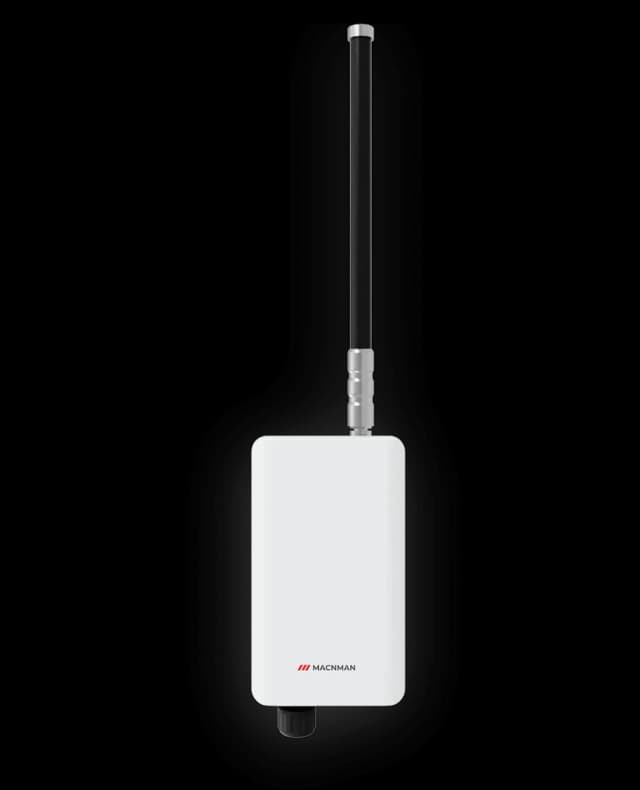 New
LoRaWAN Outdoor Gateways
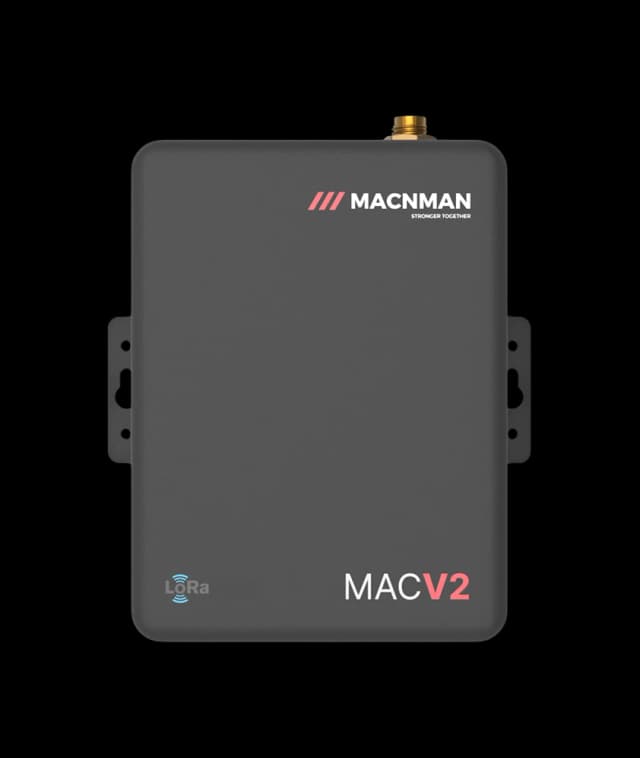
4G Lte Gateways
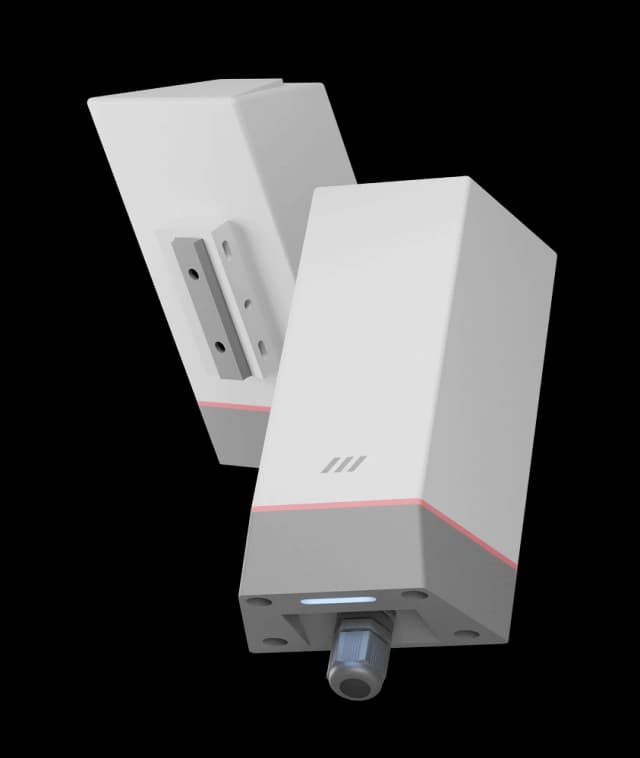 Hot Selling
RS485 Modbus to LoRaWAN Converter
Analog 4-20mA to LoRaWAN Converter
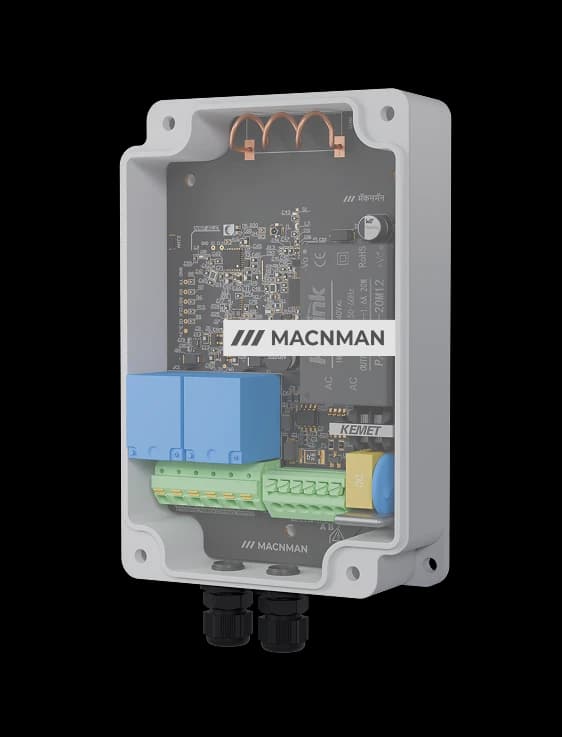 New
RS485/Analog + Relay Output
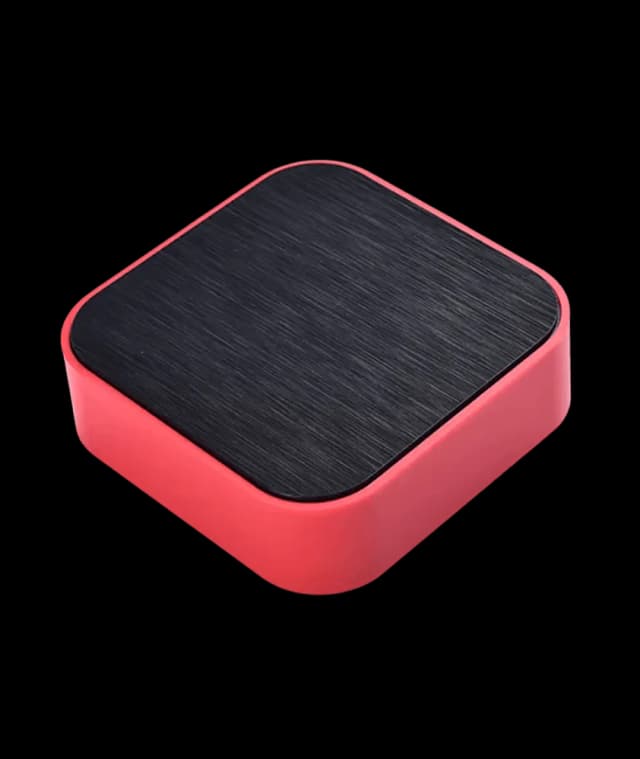 Hot Selling
LoRaWAN Indoor Gateways
NewLoRaWAN Outdoor Gateways
4G Lte Gateways
Hot SellingRS485 Modbus to LoRaWAN Converter
Analog 4-20mA to LoRaWAN Converter
NewRS485/Analog + Relay Output
Hot SellingLoRaWAN Indoor Gateways
Let’s bring it to life!
Let‘s Make it Easy
Reach Out Now


We are always ready
to help and
answer your
questions
+91 7972856163
+91 9096830856
Office-15 Bibwewadi, Pune, Maharashtra 411037
Define your goals and all to value your time
Use of this website and purchase of Macnman products are subject to our Terms and Conditions.