



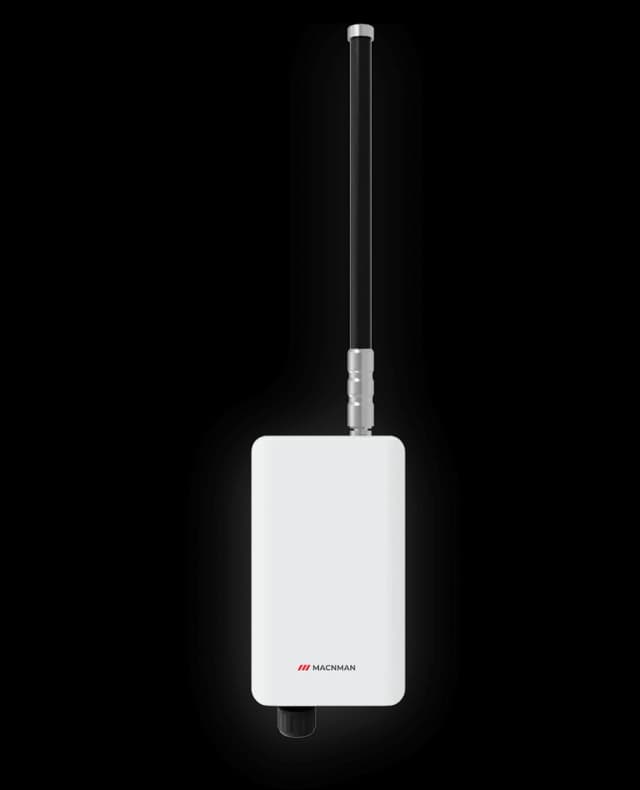
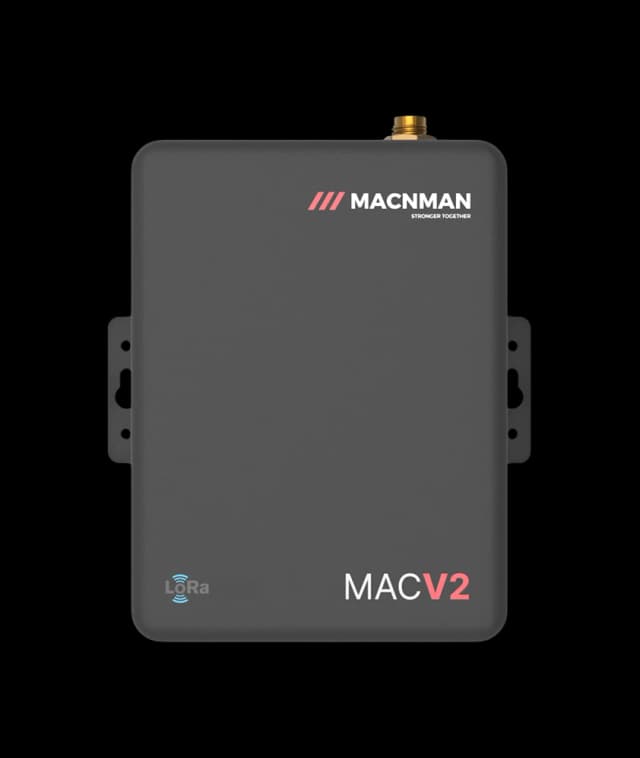
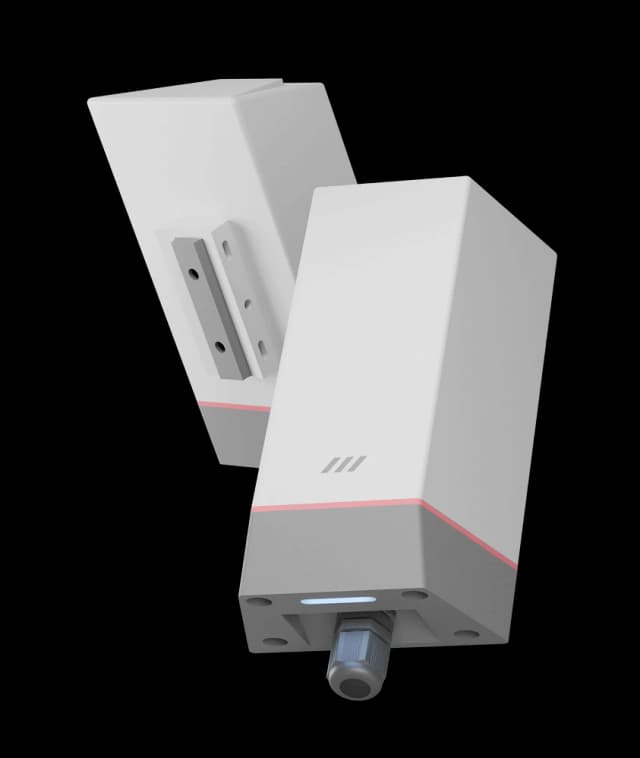
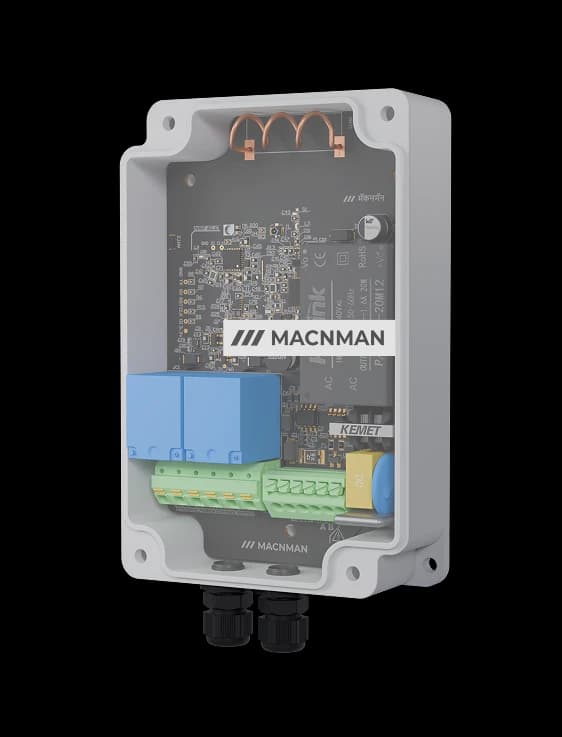

LoRaWAN® Washroom Odor Sensor

for Smart Washrooms, Public Toilets & Cleaning on Demand

LoRaWAN® Washroom Odor Sensor

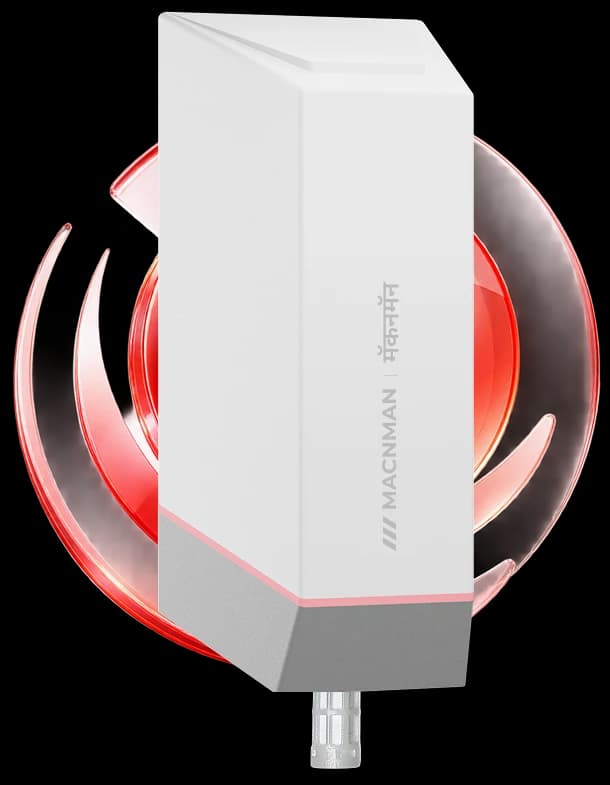
MacSync L Odor X1 is a qualitative odor sensor with NH₃ and H₂S sensors inside. It turns both into one odor level and reports it kilometres over LoRaWAN®

Odor Monitoring That Sends the Cleaner in
Airports, Malls, Stations & Offices.

Qualitative Odor LevelFrom NH₃ and H₂S sensors in one device
NH₃ + H₂S SensorsNH₃ 1–300 ppm · H₂S 0.5–50 ppm
IP65 / IP67 OptionalEnclosure −40 to +80 °C
3+ Year Battery19 Ah cell @ 60-min uplinks, estimated
Works with TTN & ChirpStackLoRaWAN® v1.0.4 · 5 bands

MacSync L Odor X1

Explore the highlights

One odor level from two gas sensors

Readings from the NH₃ and H₂S sensors are combined into a single qualitative odor level, so a supervisor sees whether a washroom needs attention rather than a column of gas figures.

In plain terms

What Is a Washroom Odor Sensor?

The short answer

A washroom odor sensor is a small wall-mounted device that detects the gases behind toilet smell, mainly ammonia from urine and hydrogen sulfide from drains, and reports an odor level to a dashboard. When the level crosses a threshold it raises an alert, so cleaning staff are sent when a washroom actually needs attention rather than on a fixed round. It is also called a toilet odor sensor, restroom odor sensor or bathroom odor detector.

Odor gases

  • 1–300 ppm

    Ammonia (NH₃) detection range

  • 0.5–50 ppm

    Hydrogen sulfide (H₂S) detection range

  • Odor level

    One qualitative index from both sensors

MacSync L Odor X1 LoRaWAN washroom odor sensor

MacSync L Odor X1

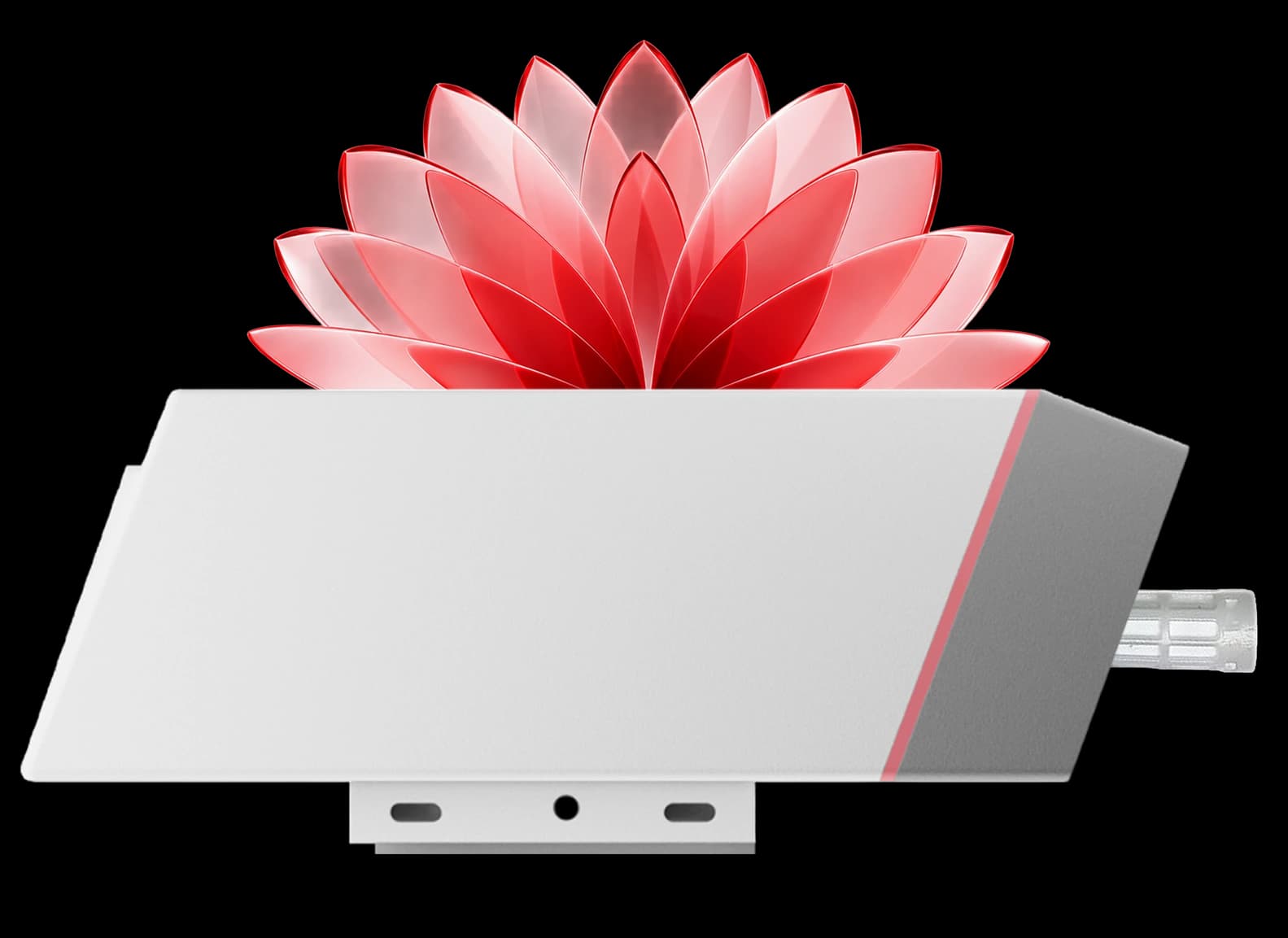
The MacSync L Odor X1 is a qualitative LoRaWAN odor sensor with both an NH₃ and an H₂S sensor inside. It reports an odor level, not laboratory ppm, because a level is what cleaning teams act on, and it is sealed to IP65 for rooms that are washed down.

A MEMS ammonia (NH₃) sensor covering 1–300 ppm and a MEMS hydrogen sulfide (H₂S) sensor covering 0.5–50 ppm, which also responds to related sulfur odor gases.

In British English it is an odour sensor. For calibrated ppm readings of ammonia and hydrogen sulfide, for example at a sewage treatment plant, the MacSync L Odor X2 uses electrochemical cells instead.

Downloads

Everything You Need to Get Building

Datasheets, drawings, firmware, and tools — all in one place.

Product Datasheet

Full technical specifications, PDF

Engineered for

Built for Washrooms That Get Hosed Down

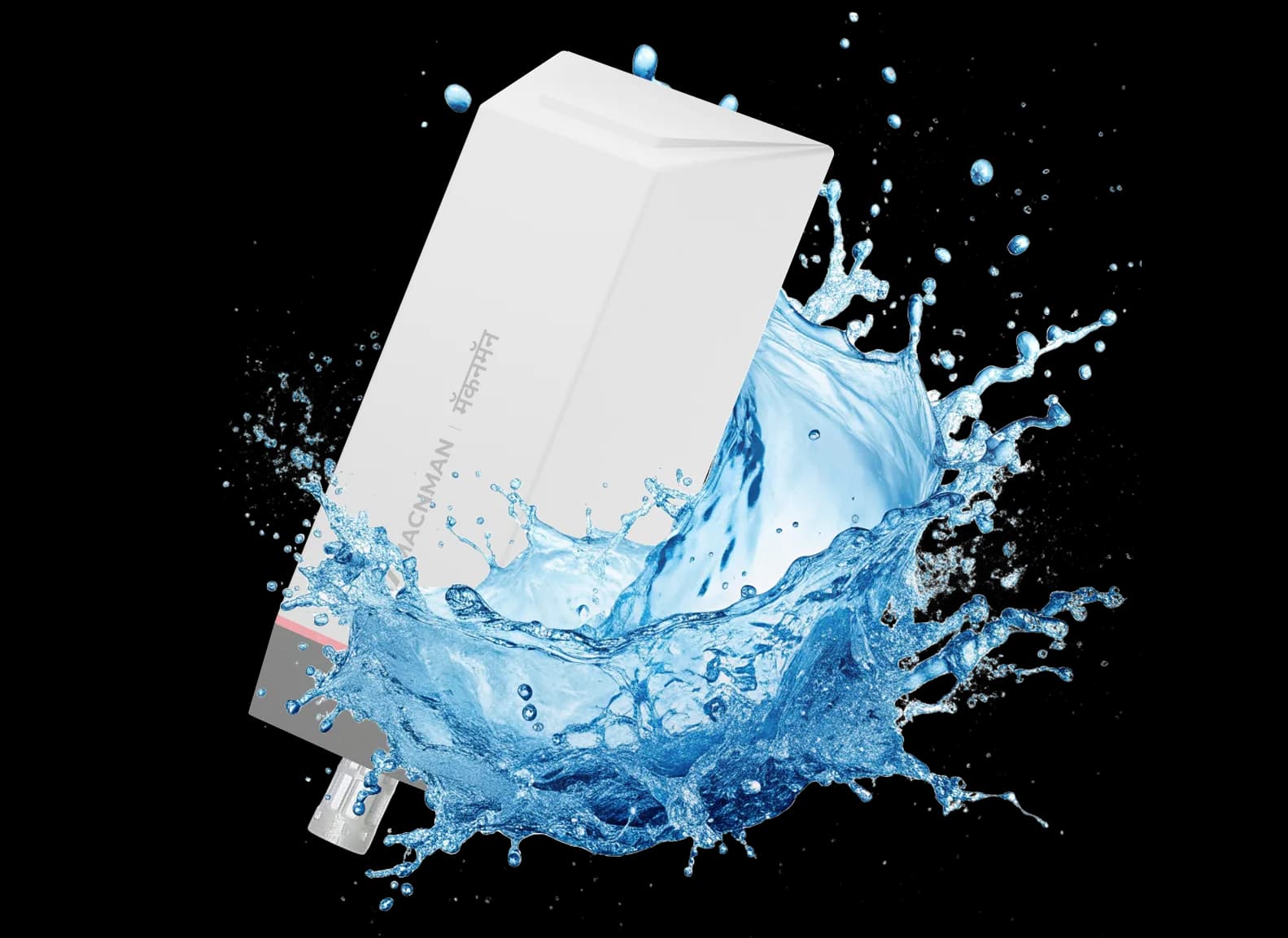
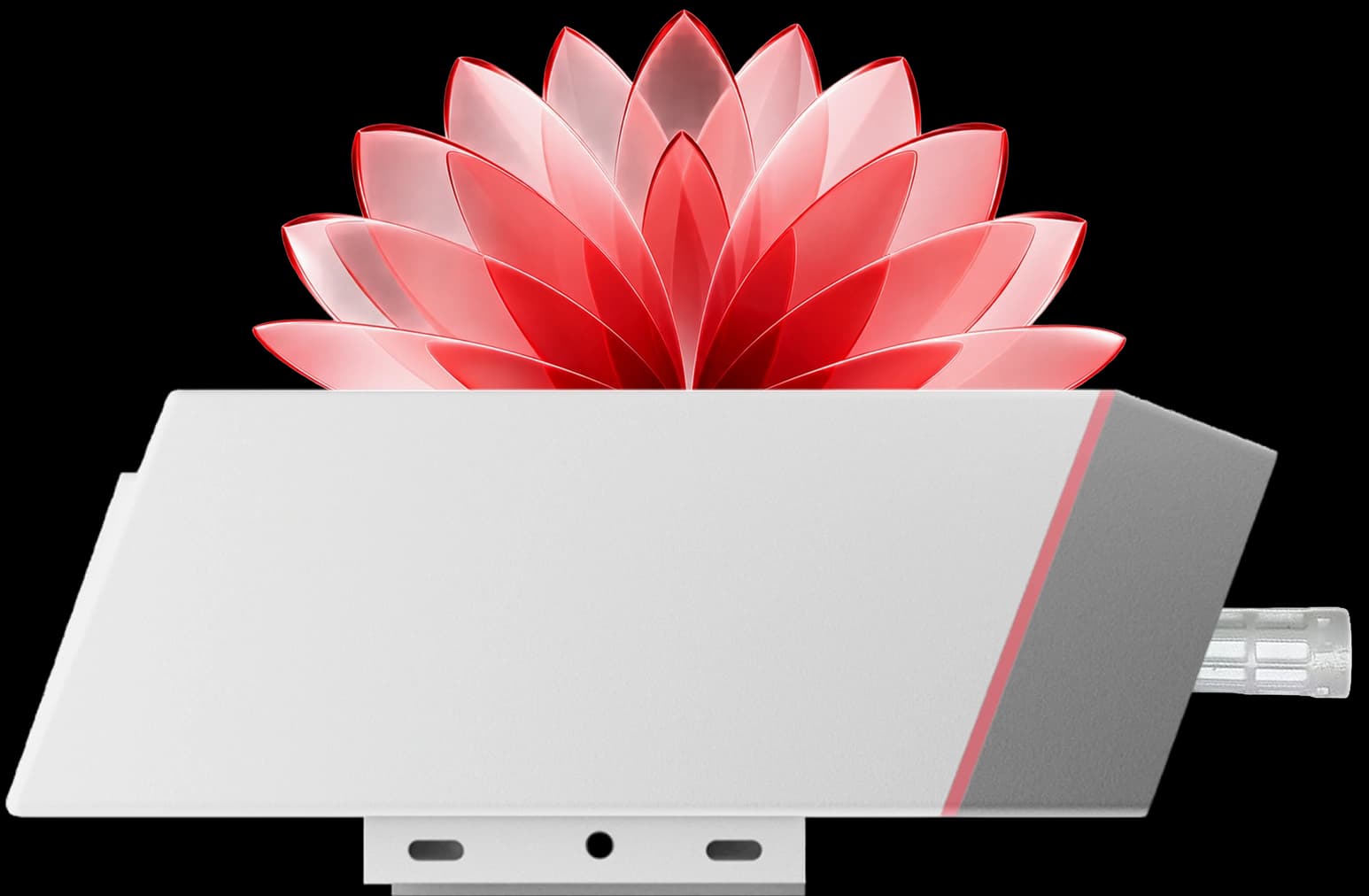
IP65 as standard with an IP67 option, in glass-filled nylon at about 175 g. Widely sold indoor bathroom odor detectors are rated IP30, which gives no protection against water.

Sealed IP65 washroom odor sensor enclosure

01 / 04

Applications

Airports & Terminals — IoT solution by Macnman

Airports & Terminals

Peak-driven useRecord per block

Footfall rises and falls with flight banks, so a fixed cleaning round is either too early or too late. An odor level per block shows which one needs a cleaner now.

Read case studies

Browse all 10 applications

01 / 10

The chemistry

Which Gases Cause Washroom Odor?

Two gases account for most of what people notice in a washroom, and they come from different places — which is useful when deciding whether a washroom needs a cleaner or a plumber.

CriterionAmmonia (NH₃)Hydrogen sulfide (H₂S)
Where it comes fromUrine. Bacteria break urea down into ammonia on floors, urinals and groutDrains and sewers. It escapes through dry floor traps, blocked drains and failed seals
What it smells likeSharp and pungentRotten eggs
How readily it is smelledDescribed by NIOSH as a pungent, suffocating odorFirst noticeable at 0.01–1.5 ppm (OSHA)
Workplace exposure limit25 ppm over a shift, 35 ppm short-term (NIOSH)10 ppm ceiling (NIOSH); 20 ppm ceiling (OSHA, general industry)
What a rising level suggestsCleaning is overdueA drainage or ventilation fault
MacSync L Odor X1 detection range1–300 ppm, qualitative0.5–50 ppm, qualitative

Exposure figures are from the NIOSH Pocket Guide to Chemical Hazards (ammonia) and OSHA's hydrogen sulfide hazard pages, and are given for context: washroom odor is noticed below these limits. The MacSync L Odor X1 is an odor indicator for hygiene and facility management, not a personal or life-safety gas detector.

Works with

Why Choose the MacSync Odor Sensor for Washrooms?

One sealed qualitative odor sensor with NH₃ and H₂S sensors inside. It reports an odor level over LoRaWAN® and alerts the moment a threshold is crossed.

One sealed qualitative odor sensor with NH₃ and H₂S sensors inside. It reports an odor level over LoRaWAN® and alerts the moment a threshold is crossed.

Where it fits

From Terminal Washrooms to Treatment Plants, Wherever Odor Needs Watching

Public washroom in a transit hub monitored by a LoRaWAN odor sensor

Public Toilets & Transit Hubs

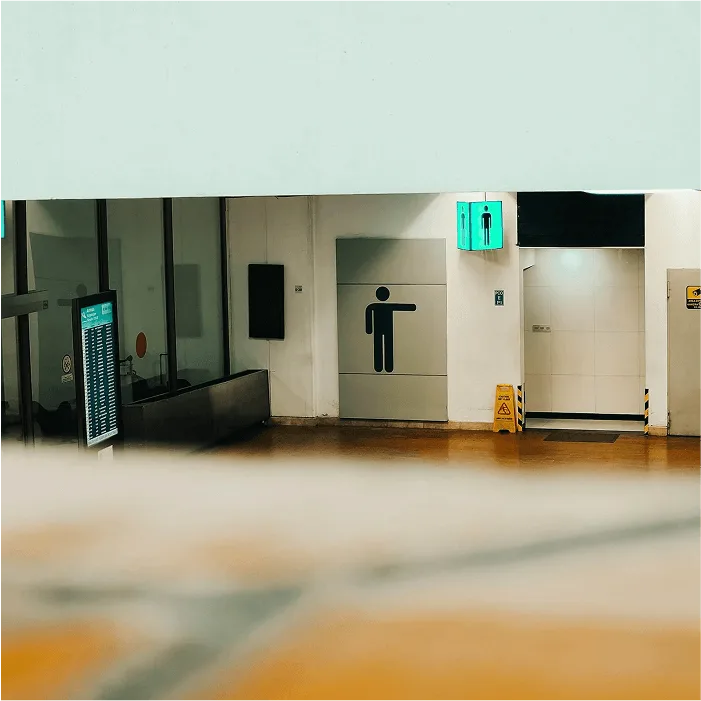
Airports, railway and metro stations, bus terminals and municipal toilet blocks, where use is heavy and uneven and a fixed cleaning round never matches it.

Commercial building washrooms monitored by a LoRaWAN odor sensor

Commercial Buildings & Campuses

Malls, offices, hospitals, hotels and universities, where a facility team covers many washrooms and needs to know which one to attend first.

Sewage treatment plant odor monitored by a LoRaWAN sensor

Treatment Plants & Waste Sites

Sewage treatment plants, pumping stations, transfer stations and composting yards, where the question is how strong the odor is and when it peaks.

Want to see the sensor working before you commit?

Book Live Demo Now

Why Macnman

Where Should a Washroom Odor Sensor Be Mounted?

Mount it on a wall inside the room you want to judge, close to where odor starts — the urinal or cubicle area — and above splash height. Keep it out of the direct airflow from the door, a window or the exhaust fan, which dilutes what it reads, and away from air-freshener dispensers, which a semiconductor gas sensor can also respond to. Where urinals and cubicles are in separate rooms, give each room its own sensor.

Where Should a Washroom Odor Sensor Be Mounted? — configuration and management with the Maya app

Free planning tools

Size your deployment before you order the hardware

Free engineering calculators for coverage, range and battery life — built on measurements from our own deployments rather than textbook models, which is why the answers tend to be smaller and a good deal more useful. Nothing here quotes a range we have not actually achieved.

Open the calculatorsCoverage & capacity ·Battery life ·Antenna height

No sign-up, no email, nothing to install. More on the way for Wi-Fi and BLE.

Hardware

IP65 Sealed, IP67 Optional — Built for Wet, Humid Washrooms

The glass-filled nylon enclosure is IP65 rated with an IP67 option and operates from −40 °C to +80 °C, so the device is not troubled by a washroom that is mopped, sprayed or hosed down. Gas sensing itself is specified from −10 °C to +50 °C and 15–90% relative humidity, non-condensing — worth checking against a steam-filled shower block or an unheated outdoor toilet before you order.

IP65 Sealed, IP67 Optional — Built for Wet, Humid Washrooms illustration

Ready to clean on demand? MacSync makes it effortless.

At a glance

MacSync L Odor X1 — Key Specifications

Macnman MacSync L Odor X1 LoRaWAN washroom odor sensor

Odor level

Output

Qualitative index from NH₃ and H₂S sensing

1–300 ppm

Ammonia (NH₃)

MEMS semiconductor, qualitative

0.5–50 ppm

Hydrogen sulfide

H₂S sensor, also sulfur odor gases, qualitative

≥ 5 years

Sensor life

Expected, MEMS sensing elements

3+ years

Battery life

19 Ah cell at hourly uplinks, estimated

IP65

Ingress

IP67 optional · enclosure −40 to +80 °C

Choosing a model

Odor Level or ppm: Which Odor Sensor Do You Need?

We make two odor sensors and they answer different questions. The X1 tells you how strong the odor is, which is what a cleaning team needs. The X2 measures ammonia and hydrogen sulfide in ppm, which is what a treatment plant or an environmental report needs.

CriterionMacSync L Odor X1MacSync L Odor X2
OutputOdor level, with qualitative NH₃ and H₂S sensingNH₃ and H₂S concentration in ppm
Sensing principleMEMS semiconductorElectrochemical cells, factory calibrated
Ammonia1–300 ppm detection range0–100 ppm, 0.5 ppm resolution
Hydrogen sulfide0.5–50 ppm detection range0–100 ppm, 0.1 ppm resolution
Expected sensor life5 years or more2 years
Battery life on the 19 Ah cellAbout 6 months at 5 min, 1 year at 15 min, 3+ years hourlyAbout 2 years at 5 min, 4 years at 15 min, 7+ years hourly
Best forWashrooms, public toilets, cleaning on demand, odor trendSTP and WWTP, sewer networks, landfills, compliance reporting

All figures are from the two datasheets; battery life is estimated. Both models are IP65 with an IP67 option, are configured with the Maya app and are offered with a 9–36 V DC supply.

Features

Everything Built into One LoRaWAN Washroom Odor Sensor

Odor Threshold Alerts

Set an odor limit and the sensor uplinks the instant it is crossed, instead of waiting for the next scheduled report.

Fixed intervals, event-driven alerts, or both — sampling configurable from 1 minute to 24 hours.

Odor Level from NH₃ and H₂S Sensors

A MEMS NH₃ sensor (1–300 ppm) and a MEMS H₂S sensor (0.5–50 ppm) feed one qualitative odor level.

3+ Year Battery at Hourly Reporting

A 19 Ah Li-SOCl₂ cell is estimated at 3+ years on hourly uplinks, about one year at 15 minutes and about six months at 5 minutes.

9–36 V DC Variant

A powered variant for washrooms with a supply nearby, where readings are wanted every few minutes.

Five-Year Sensing Elements

MEMS semiconductor sensors with an expected life of five years or more.

Secure by Design

AES-128 LoRaWAN® encryption, OTAA activation, secure boot and signed OTA updates.

Macnman Maya App

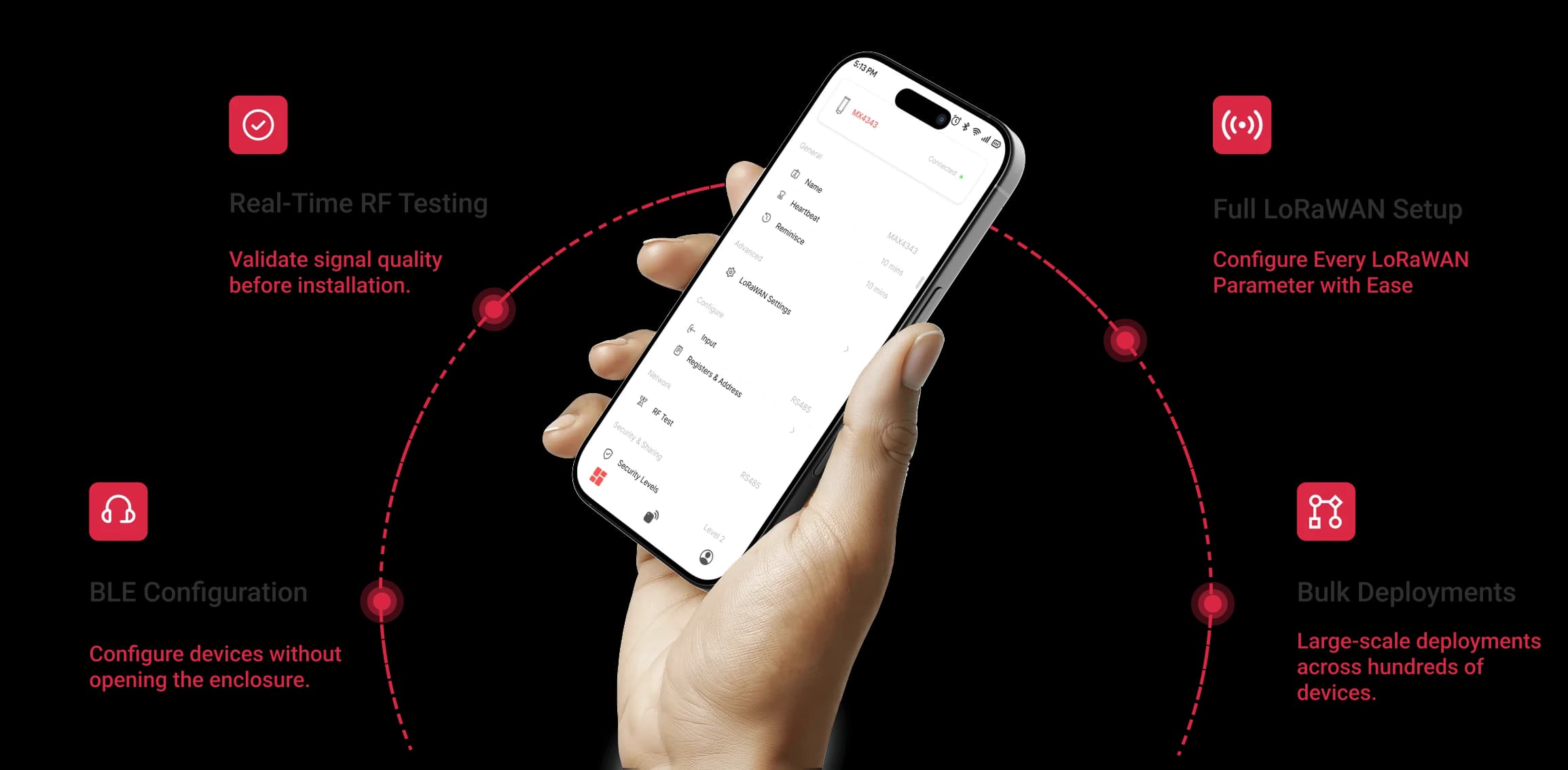
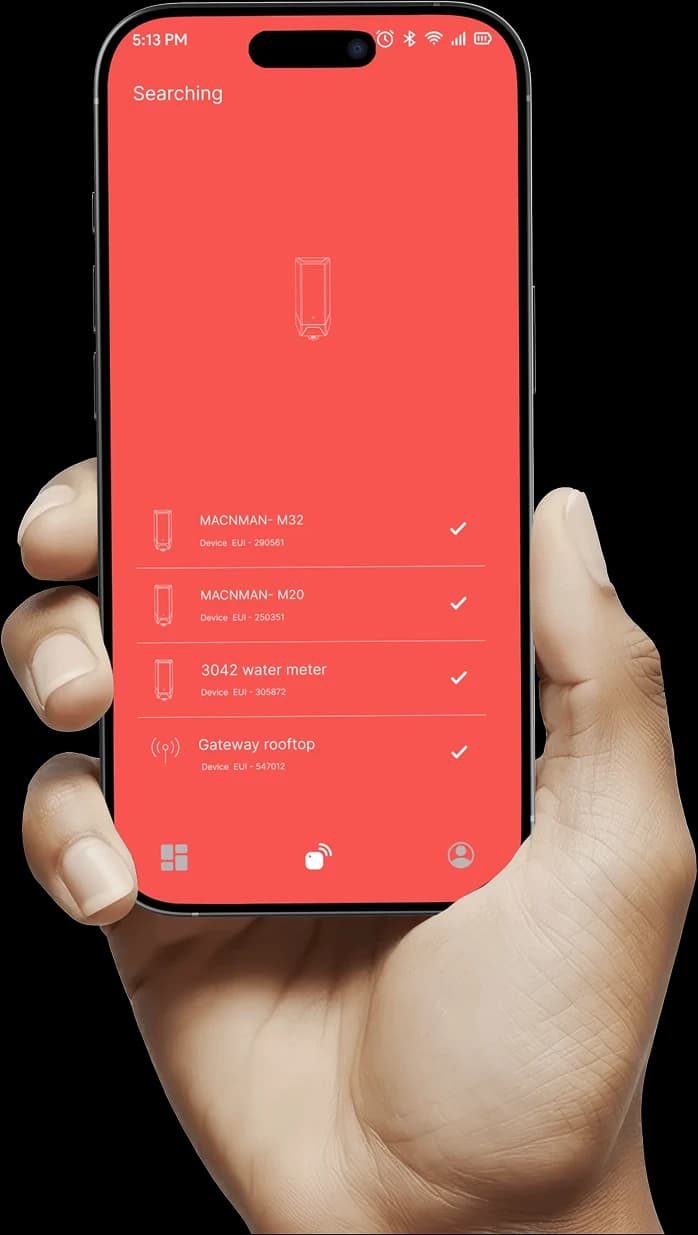
Uplink interval, thresholds, diagnostics and over-the-air configuration from your phone.

Works with Every LoRaWAN® Network Server

TTN, ChirpStack, MQTT, Orbiwise, Netmore or a private LNS — no vendor lock-in.

Capabilities

NH₃ and H₂S, Read as One Odor Level

Urine breaks down into ammonia and drains release hydrogen sulfide, and a washroom that smells usually has one or both. The sensor reads the two together and reports a single odor level, so nobody has to interpret gas figures to decide whether to send a cleaner.

Urine breaks down into ammonia and drains release hydrogen sulfide, and a washroom that smells usually has one or both. The sensor reads the two together and reports a single odor level, so nobody has to interpret gas figures to decide whether to send a cleaner. device feature illustration (mobile view)

Not sure whether LoRaWAN is right for your washrooms?

Customize it !

Architecture

LoRaWAN® Washroom Odor Sensor Network Architecture

LoRaWAN® Washroom Odor Sensor Network Architecture IoT architecture diagram (mobile view)

Why it matters

Most washrooms are cleaned on a timetable that was set once and never revisited. An odor level tells you which washroom needs a cleaner right now, and which ones can wait.

Fewer wasted rounds

Staff go to the washroom whose reading is rising instead of walking every block on every round.

Catch faults early

A level that keeps climbing after cleaning often points to something a mop will not fix — a dry floor trap, a blocked drain or an exhaust fan that has stopped.

Evidence for the contract

A continuous record shows when the odor rose and how quickly it was dealt with, which matters when a cleaning contract is measured on response.

Fewer complaints

Attention arrives when the level rises, before the washroom is bad enough for someone to report it.

How it works

How Does a LoRaWAN® Washroom Odor Sensor Work?

Step 1 of 5

Mount it near the source

On the wall by the urinal or cubicle area, above splash height and out of the draught from the door or exhaust. A clip and two screws — no cabling, and no mains supply on the battery variant.

MacSync L Odor X1 reporting modes

Reporting

Three Reporting Modes, Chosen by How Busy the Washroom Is.

A reading on a fixed interval from one minute to 24 hours. Predictable data and predictable battery life — the right default for a trend record across many washrooms.

Note: Hourly reporting is what gives the 3+ year battery estimate.

Planning odor monitoring across many washrooms?

Customize it !

Cloud & LNS

Works with Every LoRaWAN® Network Server You Already Run

TTN, ChirpStack, MQTT, Orbiwise & Private LNS — No Vendor Lock-In

MacSync LoRaWAN odor sensors join any LoRaWAN® network server — The Things Network, ChirpStack, MQTT platforms, Orbiwise, Netmore or a private on-premise server — using standard OTAA activation, so the odor level lands in the dashboard, facility-management system or BMS you already run.

Industrial IoT device data integration illustration
Cloud platforms and LoRaWAN network servers supported

Device-to-device

Monitor Smarter with Macnman

Why Choose the Macnman LoRaWAN® Washroom Odor Sensor

Odor sensing, tool-free installation and a sealed enclosure — in one rugged wireless node.

MacTalk device-to-device communication without gateway or internet

Plug & Play

Truly plug & play — no complex setup.

Real-Time Alerts

Instant threshold alerts the moment conditions drift.

Long-Range

Long-range coverage for hard- to-reach places.

Want the engineering detail behind LoRaWAN?

Customize it !

RF performance

Two MEMS Sensors, NH₃ and H₂S, Read as One Odor Level

Two MEMS semiconductor sensors do the work: an NH₃ sensor covering 1–300 ppm of ammonia and an H₂S sensor covering 0.5–50 ppm of hydrogen sulfide and related sulfur gases. They are qualitative sensors — they tell you how strong the odor is and whether it is rising, not a certified ppm figure — and they can respond to other volatile compounds too, so expect a brief rise while alcohol- or solvent-based cleaners are in use.

Two MEMS Sensors, NH₃ and H₂S, Read as One Odor Level

Capabilities

Real-Time Odor Monitoring over LoRaWAN®

Threshold Alerts, Event-Based Uplinks and a Record of Every Shift

Threshold Alerts, Event-Based Uplinks and a Record of Every Shift illustration

Installation

Wireless Odor Monitoring, No Cabling Required

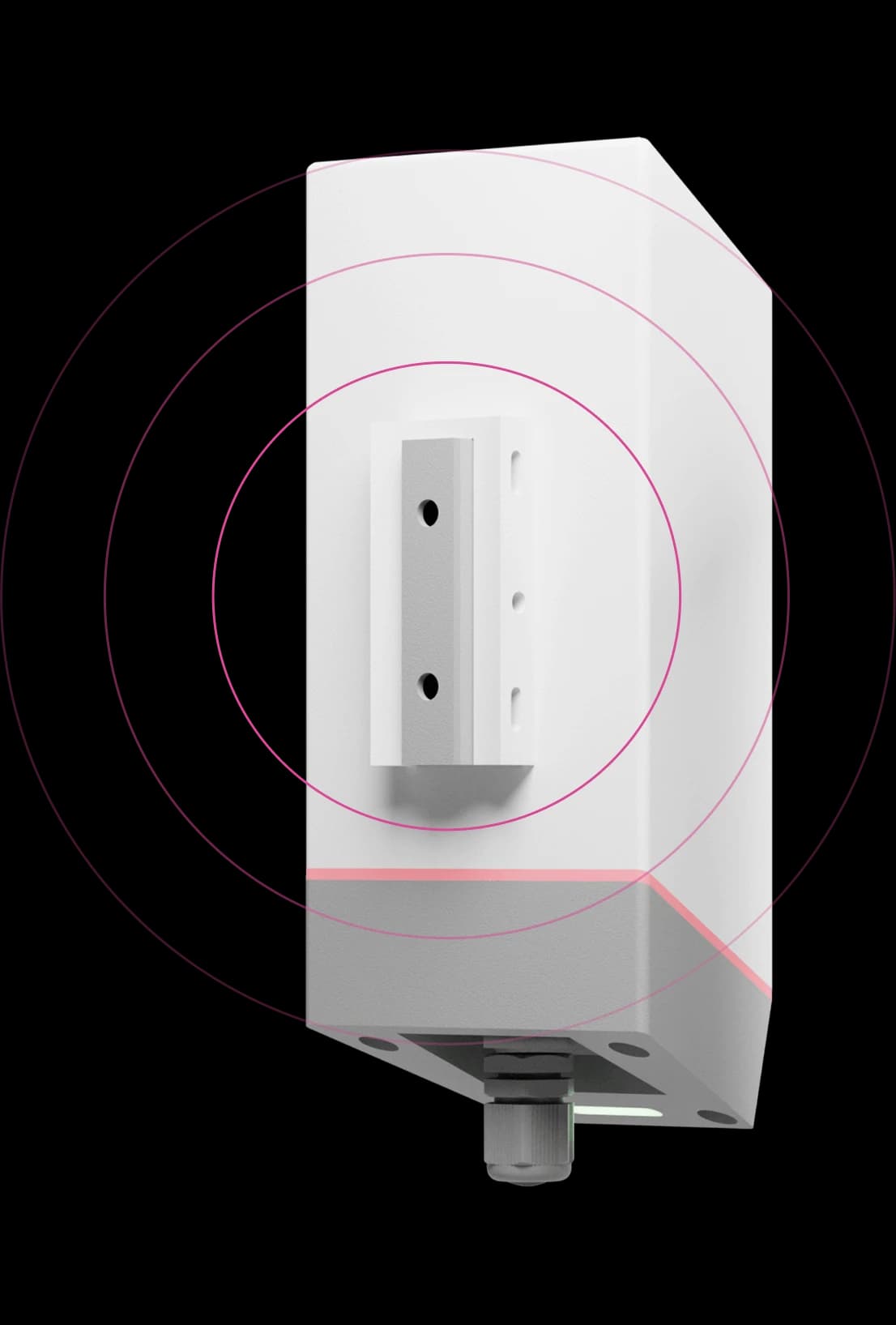
The MacSync L Odor X1 mounts with a clip and two screws on a wall or a pole, powered by a long-life cell. With no wiring, mains power or civil work — a whole floor of washrooms can be instrumented in an afternoon.

Wireless Odor Monitoring, No Cabling Required device mounting illustration

Choosing a washroom odor sensor

Comparing Washroom Odor Sensors — the Rows That Actually Matter

Most LoRaWAN bathroom odor detectors are indoor instruments that report ppm from electrochemical cells. Ours is a sealed, qualitative odor sensor. Neither is better in every row, so here are both, with our weaker rows left in.

CriterionMacSync L Odor X1Typical indoor odor detectorWhy it matters
OutputOdor level, qualitative NH₃ and H₂SNH₃ and H₂S in ppmA cleaning trigger needs a level; a compliance report needs ppm
Sensing principleMEMS semiconductorElectrochemicalElectrochemical is more selective; MEMS elements last longer
Expected sensor life5 years or moreAround 3 yearsDecides how often the device is serviced or replaced
Ingress protectionIP65 standard, IP67 optionalIP30 — no protection against waterWashrooms are mopped, sprayed and hosed down
Gas-sensing conditions−10 to +50 °C, 15–90% RH non-condensingSimilar, non-condensingNo gas sensor reads correctly with condensation on it, ours included
Battery life3+ years hourly; about 1 year at 15 minutesAbout 3 years at 10 minutesOur weaker row at short intervals — use the DC variant for fast reporting
Powered option9–36 V DC variantUsually battery onlyA permanent supply removes the battery question
Temperature and humidityNot measuredUsually includedAdd a MacSync TH sensor if you need them
Local alarmNone — alerts go to your platformOften a buzzer and indicator lightA buzzer suits a staffed room; a platform alert suits a dispatched team
India complianceWPC compliant, IN865 standardVaries by model and importerThe radio must use a band licensed where it is installed

MacSync figures are from its datasheet. The other column describes the common pattern across widely sold LoRaWAN bathroom odor detectors rather than any single product. If you need calibrated ppm, our X2 model is the like-for-like comparison, not the X1.

Installation

Mounted in minutes, reporting for years.

0.1Four steps to a live odor level
1
Choosing where to mount the washroom odor sensor

Choose the spot

On the wall near the urinal or cubicle area, above splash height. Avoid the direct airflow from the door, a window or the exhaust fan, and keep clear of air-freshener dispensers.

2
Wall mounting the MacSync L Odor X1

Fix to wall or pole

Use the supplied clip and screws. Choose the IP67 option where the unit will take direct spray during cleaning.

3
Configuring the odor sensor with the Maya app

Pair with Maya over BLE

Set the uplink interval, the odor threshold and the frequency band from your phone, then join the network over OTAA.

4
Setting the odor alert threshold

Set the threshold on site

Let the sensor run through a clean period and a busy period, then set the alert threshold between the two. Every washroom has its own baseline.

Range & reliability

Long-Range LoRaWAN® Coverage Across the Whole Building

Reliable communication up to 15 km line-of-sight range for terminals, malls and campuses

One gateway reaches washrooms spread across a terminal, a mall or a campus — kilometres of range at 23 dBm with −137 dBm sensitivity, so a single installation covers what would otherwise need a Wi-Fi access point or a SIM card in every block.

MacSync L Odor X1 long-range LoRaWAN coverage across a large building

FAQ

Frequently asked questions

A washroom odor sensor is a wall-mounted device that detects the gases responsible for toilet smell — chiefly ammonia from urine and hydrogen sulfide from drains — and reports an odor level to a dashboard or facility-management system. When the level crosses a set threshold it sends an alert, so cleaning is triggered by the condition of the washroom rather than by a timetable. The same device is sold as a toilet odor sensor, restroom odor sensor, bathroom odor detector or toilet smell detector, and in British English as an odour sensor.

A qualitative odor sensor reports how strong an odor is and whether it is rising, as an odor level or index, rather than the exact concentration of each gas in ppm. The MacSync L Odor X1 works this way: it has both an NH₃ sensor and an H₂S sensor, and the two feed one odor level used for trends and threshold alerts. A quantitative sensor, such as the MacSync L Odor X2, reports calibrated ppm instead.

Inside the MacSync L Odor X1 are two MEMS semiconductor gas sensors: an ammonia (NH₃) sensor and a hydrogen sulfide (H₂S) sensor, which also responds to related sulfur gases. Each has a sensing element whose electrical resistance changes when the target gas reaches it. The device combines the two readings into a single odor level, sends it over LoRaWAN® on the interval you set, and uplinks immediately if the level crosses your threshold.

Mostly two. Ammonia (NH₃) forms when bacteria break down the urea in urine on floors, urinals and grout, and gives the sharp, pungent smell of a neglected washroom. Hydrogen sulfide (H₂S) is sewer gas: it smells of rotten eggs and usually enters through a dry floor trap, a blocked drain or a failed seal. OSHA notes that hydrogen sulfide is first noticeable at 0.01 to 1.5 ppm, well below workplace exposure limits, which is why a drainage fault is smelled so readily.

No. The MacSync L Odor X1 is a qualitative sensor. Its NH₃ and H₂S sensors respond across 1–300 ppm of ammonia and 0.5–50 ppm of hydrogen sulfide, but the output is an odor level for trends and threshold alerts, not a calibrated concentration. If you need ppm figures — for a sewage treatment plant or an environmental report — the MacSync L Odor X2 uses factory-calibrated electrochemical cells measuring 0–100 ppm of each gas, at 0.5 ppm resolution for ammonia and 0.1 ppm for hydrogen sulfide.

No, and it should not be used as one. An odor sensor tells you that a washroom smells and how strongly, so someone can clean or fix it. A gas detector is a safety instrument that protects people from hazardous concentrations and is certified for that job. The MacSync L Odor X1 is an odor indicator for hygiene and facility management; it is not a personal or life-safety gas detector.

Cleaning on demand — the idea behind most smart washroom systems — means sending cleaning staff when a washroom needs attention instead of on a fixed round. Sensors report the condition, odor level here, often alongside footfall and consumables, and the platform raises a task when a threshold is crossed. Quiet washrooms are not cleaned unnecessarily, busy ones are attended sooner, and the record shows how quickly each alert was handled.

On a wall inside the room you want to judge, near where odor starts — the urinal or cubicle area — and above splash height. Keep it out of the direct airflow from the door, a window or the exhaust fan, which would dilute the reading, and away from air-freshener dispensers. Where urinals and cubicles are in separate rooms, each room needs its own sensor.

As a starting point, one sensor per enclosed washroom: one each for the men's, women's and accessible rooms. Add a second in a large washroom where urinals and cubicles are in separate rooms or far apart, because odor from one zone may not reach a sensor in the other. LoRaWAN® carries all of them through the same gateway, so adding sensors does not add network equipment.

They can. Semiconductor gas sensors respond to many volatile compounds, not only ammonia and hydrogen sulfide, so alcohol- or solvent-based cleaners and aerosol fresheners can raise the reading for a short time. In practice that shows up as a brief spike during cleaning, followed by a low reading. Mount the sensor away from freshener dispensers, and set the alert threshold after watching a normal day's pattern.

Yes. The enclosure is IP65 as standard, which covers water jets, with an IP67 option, and it operates from −40 °C to +80 °C. The gas sensing itself is specified from −10 °C to +50 °C and 15–90% relative humidity, non-condensing, so a room that fills with steam or stays wet with condensation is outside the conditions the sensor is specified for.

On the 19 Ah industrial Li-SOCl₂ cell, estimated life is about 6 months at 5-minute reporting, about 1 year at 15-minute reporting and 3 or more years at hourly reporting. The reporting interval is by far the largest factor. For a busy washroom where readings are wanted every few minutes, the 9–36 V DC powered variant removes the battery question altogether.

The MEMS sensing elements in the MacSync L Odor X1 have an expected life of five years or more. For comparison, the electrochemical cells in our ppm model, the X2, are rated for two years.

Not by itself: the sensor has no relay output. It sends the odor level and the threshold alert to your platform, and the platform or building management system switches the fan — for example through a MacSet LX1 LoRaWAN® controller with its two 16 A relays.

No. The MacSync L Odor X1 measures odor gases only. If you need temperature and humidity in the same washroom, add a MacSync LoRaWAN temperature and humidity sensor; both report through the same gateway.

Because washrooms are scattered across a building and rarely have a network port or a spare socket. A LoRaWAN odor sensor runs on a battery and reaches a gateway through walls and floors, so one gateway serves every washroom in a terminal, mall or campus, with no Wi-Fi credentials, SIM cards or cabling per sensor. In our own field tests the range is around 2 km through a built-up site.

Any standard one. It runs LoRaWAN® v1.0.4, Class A by default with Class C configurable, joins over OTAA and works with The Things Network, ChirpStack, MQTT platforms, Orbiwise, Netmore and private on-premise servers. It supports the IN865, RU864, EU868, US915 and AU915 bands and works with any LoRaWAN gateway on those bands, including Macnman's Setu X1 indoor and MacLink Gen-2 outdoor gateways.

Yes, for odor trend and nuisance monitoring. The IP65 enclosure and long-range radio suit outdoor and unstaffed sites, and a rising odor level can be matched against complaints or process events. Where you need to report ammonia and hydrogen sulfide in ppm, use the MacSync L Odor X2 instead.

Yes. It is designed and manufactured in Pune, supports the IN865 band used in India and is WPC compliant. Public toilet blocks in smart city and smart washroom projects are usually spread out and unstaffed, which is where a battery-powered sensor and one long-range gateway are practical: there is no SIM, Wi-Fi or mains wiring to arrange at each block.

The X1 is qualitative: MEMS sensors and an odor level, with sensing elements expected to last five years or more. It is the one for washrooms and cleaning on demand. The X2 is quantitative: factory-calibrated electrochemical cells measuring ammonia and hydrogen sulfide from 0 to 100 ppm, for treatment plants, sewers and compliance reporting. Both are IP65 with an IP67 option and both come in battery and 9–36 V DC variants.

Yes. The MacSync L Odor X1 is designed and manufactured by Macnman Technologies in Pune, Maharashtra. It is WPC compliant, conforms to RoHS and ships with the IN865 band as standard alongside RU864, EU868, US915 and AU915.

Got an IoT idea?

Let’s bring it to life!

flag image

Let‘s Make it Easy

Reach Out Now

Icon

Contact to Sales

Talk to our friendly team

chat@macnman.com
Icon

Call Us

24 X 7 Always On

+91 7972856163
Icon

Contact to Support

We are here to help

support@macnman.com
Icon

Visit Us

Visit our office HQ

View on Google Map

Socials

LoRaWAN

4G IoT

WiFi Ble IoT

Nb IoT

Customize

Maya

Documentation

Case Studies

Blogs

Terms and Conditions

Welcome to Macnman Technologies Pvt Ltd! These Terms and Conditions ("Terms") govern your access to and use of the Macnman's website (the "Website"). As an Original Equipment Manufacturer (OEM) of IoT products and solutions, this Website is designed primarily to provide information to potential business partners, integrators, and clients. By accessing or using our Website, you acknowledge that you have read, understood, and agree to be bound by these Terms. If you do not agree to these Terms, please do not use our Website.

1. Acceptance of Terms

By using our Website, you confirm that you are authorized to enter into a binding contract on behalf of your business or entity (if applicable) and that you accept these Terms. These Terms constitute a legally binding agreement between you and Macnman IoT regarding your use of the Website.

2. Website Content & Intellectual Property

Ownership: All content on this Website, including but not limited to text, graphics, logos, images, audio clips, video clips, data compilations, software, product descriptions, and technical information (collectively, "Content"), is the property of Macnman IoT or its licensors and is protected by Indian and international copyright, trademark, and other intellectual property laws.

Informational & Marketing Purpose: All Content, including images, videos, illustrations, graphical representations, and textual descriptions of products and solutions, is provided for general informational, illustrative, and marketing purposes only. While we strive to present accurate and up-to-date information, this Content is intended to convey the general features, capabilities, and potential applications of our IoT products.

No Warranty from Website Content: The Content on this Website does not constitute a definitive specification, technical guarantee, or warranty for any specific product or solution. Actual product specifications, performance, features, and appearance are subject to change and are exclusively defined in official product datasheets, technical documentation, and specific commercial agreements (e.g., purchase orders, supply contracts) between Macnman IoT and its clients. You acknowledge that relying solely on Website Content for product suitability or performance is at your own risk.

Limited License: You are granted a limited, non-exclusive, non-transferable, revocable license to access and use the Website and its Content for your internal business informational purposes, such as evaluating potential OEM partnerships or product integration. You may not reproduce, distribute, modify, create derivative works of, publicly display, publicly perform, republish, download, store, or transmit any of the Content without the prior written consent of Macnman IoT.

3. Use of Website

You agree to use the Website only for lawful purposes consistent with its intended B2B/OEM informational nature and in a manner that does not infringe the rights of, or restrict or inhibit the use and enjoyment of this Website by any third party. Prohibited conduct includes, but is not limited to: Engaging in any activity that could harm, disable, overburden, or impair the Website or the servers and networks connected to the Website. Attempting to gain unauthorized access to any portion of the Website, other accounts, computer systems, or networks connected to the Website through hacking, password mining, or any other means. Using the Website to distribute any malicious software, viruses, or other harmful content. Collecting or storing personal data about other users or any commercial information without their express consent. Using the Website for direct sales or marketing of third-party products or services without explicit authorization.

4. Disclaimers

"As Is" and "As Available" Basis: The Website and all Content are provided on an "as is" and "as available" basis, without any warranties of any kind, either express or implied.
No Warranties of Performance or Suitability: Macnman IoT does not warrant that the Website or its Content will be error-free, uninterrupted, secure, or available at any particular time or location.
Product Development: Products and solutions mentioned on the Website may be under development or subject to change. At Macnman Technologies Pvt. Ltd. ("Macnman"), we take pride in our field success and may highlight it via case studies, client stories, and marketing materials. Unless otherwise agreed in writing, we consider ourselves to have full rights to share such information.

5. Limitation of Liability

To the fullest extent permitted by applicable law, in no event shall Macnman IoT, its affiliates, directors, officers, employees, agents, or suppliers be liable for any direct, indirect, incidental, special, consequential, punitive, or exemplary damages, including but not limited to, loss of profits, goodwill, data, or other intangible losses arising out of or in connection with your use of the Website or its Content.

6. Indemnification

You agree to defend, indemnify, and hold harmless Macnman IoT and all related entities from any claims, liabilities, damages, losses, or expenses arising from your violation of these Terms or your misuse of the Website.

7. Links to Third-Party Websites

The Website may contain links to third-party websites. We do not control or take responsibility for the content, privacy policies, or practices of any third-party websites. Inclusion of links does not imply endorsement.

8. Governing Law & Jurisdiction

These Terms shall be governed by Indian law. Any disputes shall be subject to the exclusive jurisdiction of the courts located in Pune, Maharashtra.

9. Changes to Terms

We reserve the right to update these Terms at any time. Continued use of the Website after changes have been posted constitutes acceptance of the new Terms. You should review these Terms regularly.

10. Returns & Replacement

Macnman Technologies Pvt Ltd accepts returns with a 100% payment refund within 7 days of delivery, provided the product is returned in its original condition with all accessories and packaging intact. No returns or refunds will be accepted after 7 days from the date of delivery if the product is found to be functional and free from manufacturing defects.

11. Warranty Policy

All Macnman IoT products are covered under a standard 12-month limited warranty from the date of delivery, against manufacturing defects only. The warranty does not cover damage caused by improper installation, mishandling, unauthorized modification, or operation outside the product’s specified conditions. Warranty claims will be processed only after product evaluation by Macnman’s technical team.

12. Product Modifications

Macnman Technologies Pvt Ltd reserves the right to modify the design, specifications, components, or features of its products without prior notice, in line with continuous improvement and technological upgrades.

13. Shipping & Delivery

All products are shipped through reliable courier or logistics partners. Macnman shall not be liable for any delay or damage occurring during transit once the shipment has been handed over to the carrier. Customers are advised to inspect packaging and report any visible damages immediately upon delivery.

14. Force Majeure

Macnman Technologies Pvt Ltd shall not be held responsible for any failure or delay in performance resulting from events beyond its reasonable control, including but not limited to natural disasters, war, strikes, government actions, network outages, or component shortages.

15. Limitation of Use

Macnman IoT products are designed for commercial and industrial use. They are not intended for life-support, safety-critical, or mission-critical systems where failure could lead to personal injury, death, or environmental harm. Customers assume all responsibility for use in such applications.

16. Confidentiality

Any non-public technical, business, or proprietary information shared between Macnman and its customers shall be treated as confidential and shall not be disclosed to third parties without prior written consent, except as required by law.

17. Export Compliance

Customers agree to comply with all applicable export control laws and regulations when purchasing or using Macnman products, including restrictions related to international transfers, re-exports, or use in sanctioned regions.

18. Dispute Resolution

In the event of any dispute arising out of or related to these Terms or any transaction with Macnman Technologies Pvt Ltd, both parties shall attempt to resolve the matter amicably through discussion. If unresolved, the dispute shall be subject to arbitration in Pune, Maharashtra, under the Arbitration and Conciliation Act, 1996, and governed by Indian law.