LoRaWAN® Gas Meter Retrofit Module
MeterLink Gen-1 Turns an Installed G1.6 Domestic Gas Meter into a Smart, Prepaid Meter · Reed Pulse Reading · Inline Shutoff Valve · 6,000 mAh Cell, About Ten Years at Two Uplinks a Day
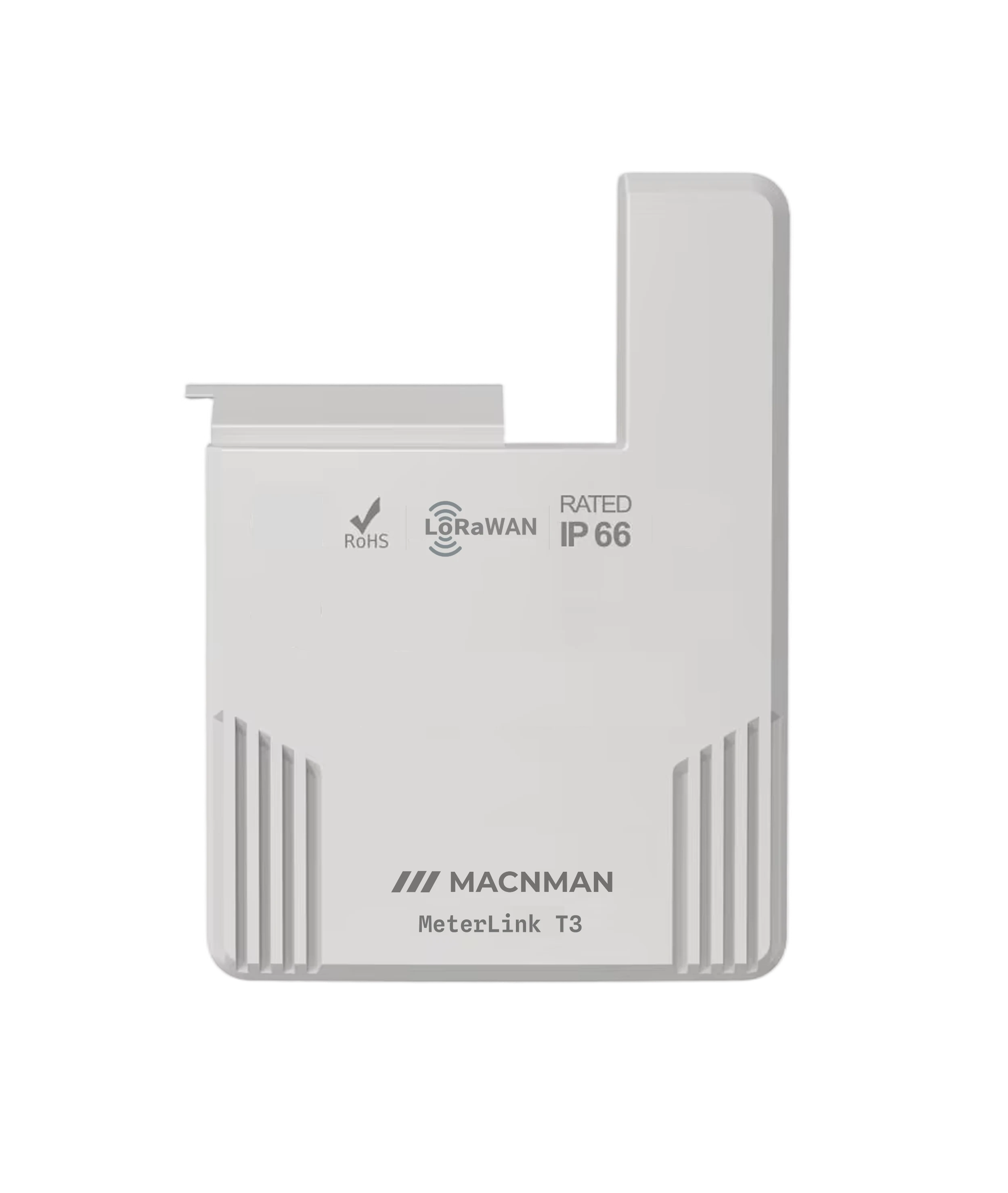
MeterLink Gen-1 clips onto the reed pulse output of an installed G1.6 diaphragm gas meter, keeps the mechanical index as the legal register, sends consumption over LoRaWAN® on IN865, enforces prepaid credit in the module and closes an inline valve when credit runs out or the utility commands it, on a 6,000 mAh cell rated about ten years at two uplinks a day
Smart Gas Metering for City Gas Distribution, Housing Societies, Commercial Kitchens & Prepaid Supply.
Smart Gas Metering for
City Gas Distribution, Housing Societies, Commercial Kitchens & Prepaid Supply.
MeterLink Gen-1
Explore the highlights

MeterLink reads the reed pulse output that a G1.6 diaphragm meter already carries. No meter change, no civil work, no re-certification of the register: the mechanical index remains the legal reading and the module reports what it counts.
The utility sends credit by downlink; the module keeps the balance locally, decrements it as pulses arrive and closes the inline valve the moment credit is exhausted, without waiting for the network.
The valve is fitted inline at the meter and driven by the module: closed on exhausted credit, closed on a secure remote command for non-payment, maintenance or an emergency, and re-opened only under the utility's own procedure for restoring supply.
A 6,000 mAh Li-SOCl₂ cell is rated by Macnman at about ten years at two uplinks a day, the design point for billing reads; a faster schedule shortens it and is sized per project.
Class A at 23 dBm on IN865 for India and EU868 for export, joining by OTAA with AES encryption to any LoRaWAN network server. No SIM per meter, no recurring cellular charge: the utility owns the gateways and the data.
A Class A device listens for downlinks only after it uplinks. A remote valve command is therefore executed at the next uplink, and the uplink schedule is chosen per project to match the command latency the utility accepts. Credit enforcement is local and needs no network.
One module per consumer, clipped on by the CGD's authorised technician, provisioned by OTAA, reporting into the head-end or MDM over the network server, with status alerts for the valve and the battery.
Designed and manufactured in Pune. WPC compliant on IN865 and RoHS conforming, with an engineer in Pune who answers during the Indian working day.
In plain terms
What Is a LoRaWAN Gas Meter Retrofit Module?
The short answer
A battery-powered device that clips onto an installed mechanical gas meter, counts the pulses the meter's reed switch produces as gas flows, and sends the consumption over LoRaWAN® radio to the utility's gateway, so an existing meter becomes a remotely read, and with MeterLink a prepaid, smart meter without being replaced. MeterLink Gen-1 adds an inline shutoff valve that closes when prepaid credit is exhausted or on the utility's command.
Reading
- Reed
Pulse input from the meter
- G1.6
Diaphragm meter size supported
- Index
Remains the legal register
Prepaid
- Local
Credit enforcement, no network needed
- Downlink
Remote credit top-up
- Alerts
Status over LoRaWAN
Valve
- Inline
Fitted at the meter
- Closes
On exhausted credit or command
- Utility
Restores supply by its own procedure
Battery
- 6,000
mAh
- ~10 yr
At two uplinks a day, estimate
- 2 / day
Design uplink schedule
Radio
- 23 dBm
Transmit power
- IN865
India; EU868 for export
- OTAA
Join, with AES encryption
Enclosure
- IP65
Ingress protection
- Tamper
Detection on request
- G2.5+
Larger meters on request

MeterLink Gen-1
MeterLink Gen-1 is Macnman's LoRaWAN gas meter retrofit module for G1.6 domestic diaphragm meters: reed pulse reading, prepaid credit enforced in the module, an inline shutoff valve, a 6,000 mAh cell rated about ten years at two uplinks a day, LoRaWAN® Class A at 23 dBm on IN865 and EU868, OTAA and AES encryption, WPC compliant and RoHS conforming.
The meter's reed pulse output; the mechanical index stays the legal register.
Credit sent by downlink, balance kept and enforced in the module.
An inline shutoff valve driven by the module.
A 6,000 mAh Li-SOCl₂ cell, sized for billing reads.
LoRaWAN® Class A on the utility's own gateways.
IP65 rated; dimensions, tamper detection and valve pressure rating are confirmed per project.
Also searched for as a smart gas meter retrofit, a LoRaWAN gas meter, a gas meter pulse reader, a prepaid gas meter module, a gas meter AMI module or a remote gas meter reading device. Not a gas leak detector or a gas sensor: for hydrogen sulphide, ammonia, oxygen and ethylene monitoring, see the MacSync gas sensors.
Get a quote
Need a quote for the MeterLink Gen-1?
Tell us how many you need and where they are going. A product engineer replies within one working day with availability, lead time and the right variant for your site.
- Reply within one working day
- Designed and built in Pune, India
- WPC compliant, RoHS conformant
Downloads
Everything You Need to Get Building
Datasheets, drawings, firmware, and tools — all in one place.
Engineered for
What Sets MeterLink Gen-1 Apart for a Smart Gas Metering Rollout
A CGD's installed base of G1.6 diaphragm meters stays in service. The module reads the reed pulse output the meter already has, so the rollout is a clip-on visit per consumer rather than a meter change with a new register and a new calibration certificate.
01 / 04
Works with
Why Choose MeterLink Gen-1 for Smart Gas Metering?
Reed pulse reading, prepaid credit enforced in the module, an inline shutoff valve and a cell rated for about ten years, on LoRaWAN® gateways the utility owns, with no SIM at any meter.Reed pulse reading, prepaid credit enforced in the module, an inline shutoff valve and a cell rated for about ten years, on LoRaWAN® gateways the utility owns, with no SIM at any meter.
Applications
Where Is a LoRaWAN Gas Meter Retrofit Module Used?
CGD Geographical Area Rollouts
A city gas distribution company converts its installed domestic meters area by area, with the head-end reading every meter twice a day over its own gateways.
Read case studiesHousing Societies & Apartment Blocks (Meter cabinets and kitchens, Indoor gateway per block): Hundreds of meters behind an indoor gateway per block, with prepaid credit per flat and a valve the utility controls.
Prepaid Gas Supply (Credit by downlink, Shutoff on zero balance): The consumer recharges, the utility sends the credit, the module enforces it at the meter: the revenue-protection model that smart prepaid metering was built for.
Hotels, Canteens & Small Industry (G1.6 today, Larger meters on request): Commercial consumers on G1.6 meters join the same network; larger meter sizes and Modbus meters are handled on request or through the MacSync RS485 converter.
Utility Operations (Valve status alerts, Battery alerts): Status alerts for the valve and the battery reach the control room over the same uplinks as the reading, so a field visit is scheduled rather than discovered.
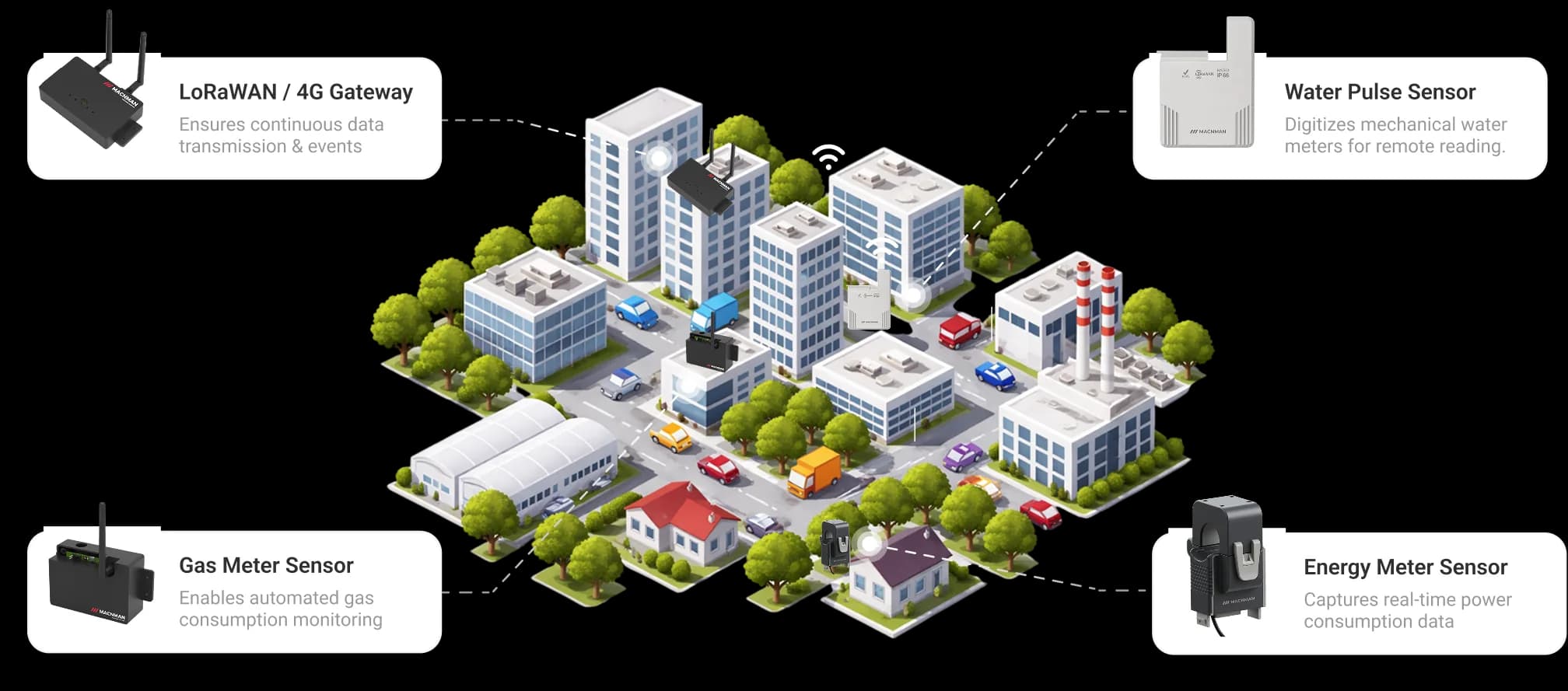
Smart City Utility Platforms (Into the ICCC, Beside water and energy): Gas consumption beside the water meters and the energy data on the city's LoRaWAN network and its command centre, over MQTT or HTTPS.
Browse all 6 applications
01 / 06
Where it fits
From Housing Societies to City Gas Networks, Wherever a Mechanical Meter Must Become a Smart One
City Gas Distribution Networks
Phased rollouts across a geographical area: one module per domestic consumer, prepaid where the utility chooses it, reads into the head-end or MDM over the utility's own LoRaWAN gateways.
Housing Societies & Apartments
Hundreds of G1.6 meters in meter cabinets and kitchens, served by an indoor gateway per block, with prepaid credit and a shutoff valve per flat.
Commercial & Industrial Consumers
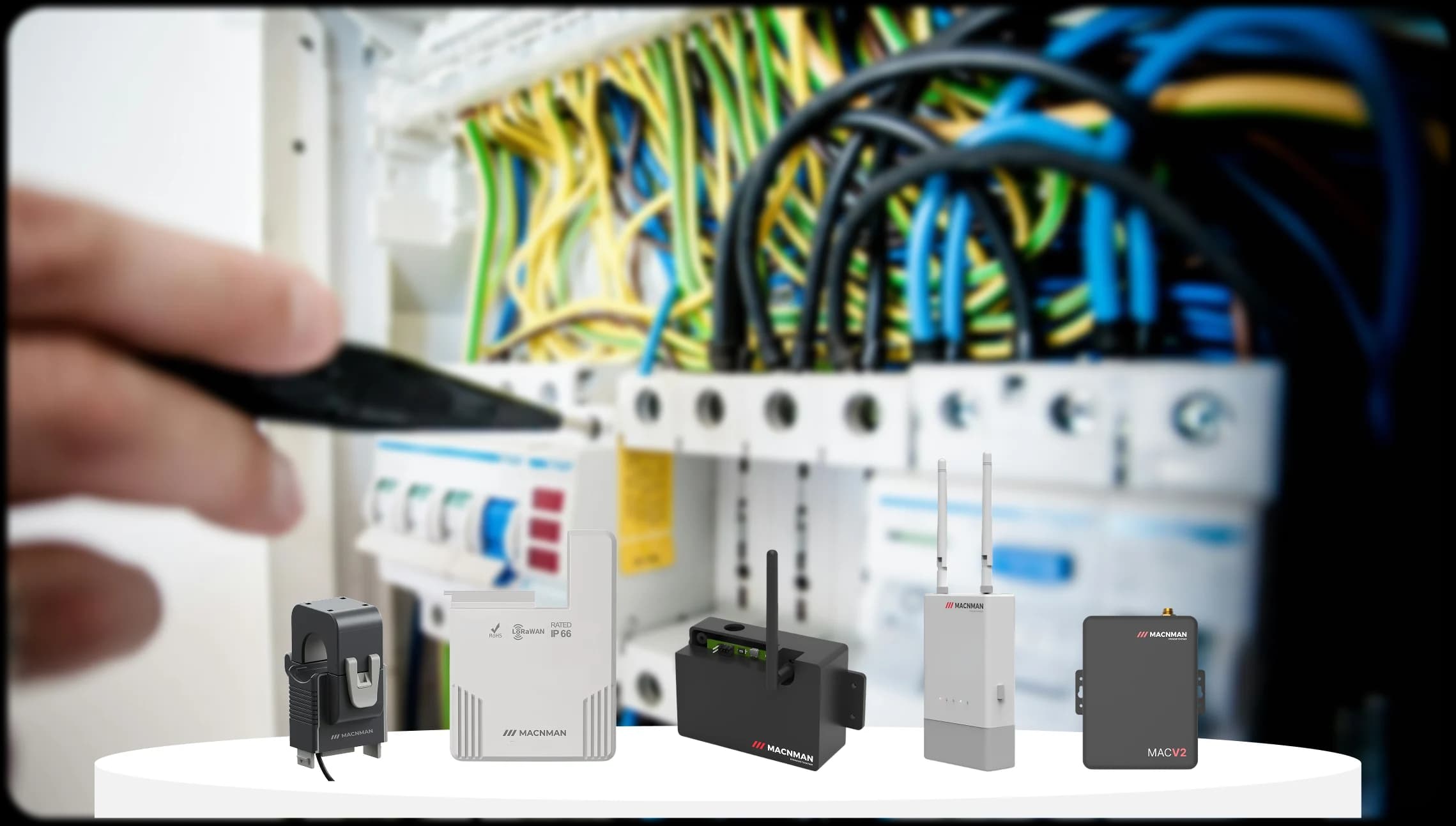
Hotels, canteens, hostels and small industry on G1.6 meters today; larger meter sizes and Modbus meters are handled on request or through the MacSync RS485 converter.

City Gas Distribution Networks
Phased rollouts across a geographical area: one module per domestic consumer, prepaid where the utility chooses it, reads into the head-end or MDM over the utility's own LoRaWAN gateways.
Housing Societies & Apartments
Hundreds of G1.6 meters in meter cabinets and kitchens, served by an indoor gateway per block, with prepaid credit and a shutoff valve per flat.
Commercial & Industrial Consumers
Hotels, canteens, hostels and small industry on G1.6 meters today; larger meter sizes and Modbus meters are handled on request or through the MacSync RS485 converter.
Installing it
Installing a Gas Meter Retrofit Module: Who Fits It, Where the Reed Sits, Coverage and Commissioning
The four decisions every rollout turns on. The facts are Macnman's; the procedure belongs to the CGD.
Installing it
The four decisions every rollout turns on. The facts are Macnman's; the procedure belongs to the CGD.
The CGD's authorised technician fits it
The module clips onto the meter's reed pulse output and the valve is fitted inline at the meter by the utility's authorised technician under its own safety procedure; this is a utility installation, not a consumer one.
Reed alignment and pulse weight
The reed must sit on the meter's magnet track so every revolution counts once; the pulse weight is set to the meter's output at commissioning and checked against the index reading.
Coverage where meters live
Meters sit in kitchens, meter cabinets and basements. An indoor gateway per block or a rooftop gateway per colony is the usual answer; a pilot in the worst building settles the gateway count before the rollout.
Commission against the index
Record the mechanical index and the module's count at installation and at the first billing read; the index remains the legal register and the comparison is what makes the data defensible.
Free planning tools
Size your deployment before you order the hardware
Free engineering calculators for coverage, range and battery life — built on measurements from our own deployments rather than textbook models, which is why the answers tend to be smaller and a good deal more useful. Nothing here quotes a range we have not actually achieved.
No sign-up, no email, nothing to install. More on the way for Wi-Fi and BLE.
Hardware
Ten Years on One Cell, at the Billing Schedule
MeterLink Gen-1 runs on a 6,000 mAh Li-SOCl₂ cell, rated by Macnman at about ten years at two uplinks a day, the schedule a billing read needs. Faster schedules, for shorter command latency, draw more and are sized per project. The enclosure is rated IP65; its operating temperature and dimensions are confirmed per project rather than claimed here.

Planning a smart gas metering rollout? Ask for a quote on MeterLink Gen-1.
At a glance
MeterLink Gen-1 Gas Meter Module Specifications
The figures Macnman states today; the full specification sheet is supplied on request.
Reed pulse
reading method
G1.6 diaphragm meters · index stays the legal register
Prepaid + valve
credit enforced in the module
Inline shutoff valve · closes on zero credit or command
6,000 mAh
Li-SOCl₂ cell
About 10 years at 2 uplinks a day (estimate)
LoRaWAN® Class A
23 dBm · OTAA · AES
IN865 for India · EU868 for export
Status alerts
valve and battery
Over the same uplinks as the reading
WPC · RoHS
compliance
Designed and manufactured in Pune
Features
Built into MeterLink Gen-1: Reading, Prepaid, Valve, Radio and Power
Prepaid Credit in the Module
Credit sent by downlink, balance kept and enforced locally, without waiting for the network.
Valve state and battery reported over LoRaWAN beside the consumption reading.
LoRaWAN® Class A
23 dBm on IN865 for India and EU868 for export; joins by OTAA with AES encryption.
6,000 mAh Cell
Rated about ten years at two uplinks a day; faster schedules sized per project.
Reed Pulse Input
Counts the pulses of a G1.6 diaphragm meter's reed output; the index stays the legal register.
Inline Shutoff Valve
Closed on exhausted credit or secure command; supply restored under the utility's procedure.
Any LoRaWAN® Network Server
ChirpStack, The Things Network, Orbiwise, a private LNS, then the head-end or MDM over MQTT or HTTPS.
Your Gateways, Your Data
No SIM per meter and no recurring charge; the utility owns the gateways and the readings.
Beside the Rest of the Network
MeterLink joins the same gateways as Macnman's water and energy metering converters, pressure sensors and gas sensors, so a utility or a city runs gas metering on the network it already has.
Capabilities
A Read Twice a Day Is a Different Utility from a Visit Once a Quarter
A meter reader sees each consumer a few times a year and the bill is an estimate between visits. A module on LoRaWAN reports the index twice a day: consumption is billed as it happens, a stalled meter or a zero-consumption flat is seen within days, prepaid credit is enforced at the meter and a disconnection is a command rather than a visit.

Before you order
Send Us the Meter Base and We Confirm the Rollout
Four details are enough for an engineer to reply with the module count, the gateway plan and the uplink schedule.
Before you order
Four details are enough for an engineer to reply with the module count, the gateway plan and the uplink schedule.
Meters and their outputs
How many G1.6 diaphragm meters, which makes and whether their reed pulse output is fitted; larger meter sizes and Modbus meters are listed separately.
Prepaid or postpaid
Whether credit enforcement and the inline valve are wanted at every consumer, at some, or not at all.
Where the meters sit
Kitchens, meter cabinets, basements or external walls, and how many per building: this sets the gateway plan.
Head-end and command latency
The MDM or billing system the reads must reach, and how quickly a valve command must execute; this sets the uplink schedule and the battery sizing.
Ready now: Get a quote · Request a pilot kit · Partner programme
Architecture
LoRaWAN Metering Architecture: Module, Gateway, Network Server and Head-End

Why it matters
Bill What Was Used, Cut Off What Was Not Paid For, Without a Visit.
A meter reader visits a few times a year and the bill is an estimate between visits. A module on LoRaWAN reports the index twice a day, enforces prepaid credit at the meter and turns a disconnection into a command.
Why it matters
A meter reader visits a few times a year and the bill is an estimate between visits. A module on LoRaWAN reports the index twice a day, enforces prepaid credit at the meter and turns a disconnection into a command.
Reads without visits
Consumption reported twice a day from every meter, including the flats where nobody is home and the cabinets nobody can reach.
Revenue protected
Prepaid credit enforced in the module, so supply stops at the meter when the balance does, whether or not a gateway is in range.
Disconnection as a command
Non-payment, maintenance or an emergency: the valve closes on a secure command at the next uplink, and supply is restored under the utility's procedure.
A base you keep
The installed meters stay in service and the mechanical index stays the legal register; the module adds the radio, the credit and the valve.
How it works
How Does a LoRaWAN Gas Meter Retrofit Module Work?
Step 1 of 5
Module on the meter, valve inline
The utility's technician clips the module onto the meter's reed pulse output and fits the inline shutoff valve under the utility's safety procedure.
The reed pulses are counted
As gas flows, the meter's magnet closes the reed once per revolution of the index drum; the module counts the pulses and keeps the running total beside the mechanical index.
The reading goes over LoRaWAN twice a day
Consumption, valve state and battery are sent as encrypted LoRaWAN® uplinks to the utility's gateway and network server, then to the head-end or MDM over MQTT or HTTPS.
Prepaid credit at the meter
Credit arrives by downlink and is held in the module; the balance falls with each pulse and the valve closes the moment it reaches zero, with no network needed.
Commands from the head-end
A remote shutoff or a credit top-up is queued at the network server and executed when the module next uplinks, within the schedule the utility has set.
Uplink schedule
Two Uplinks a Day, or More: Chosen by Billing Need and Command Latency.
Two uplinks a day carry the index, the valve state and the battery level; enough for daily billing, consumption analytics and zero-consumption checks.
Note: The 6,000 mAh cell is rated about ten years at this schedule (estimate).
A Class A module executes a queued downlink at its next uplink. Two uplinks a day means a remote valve command may wait up to twelve hours; a faster schedule shortens that at the cost of battery. Note: Credit enforcement is local to the module and does not wait for the network.
Valve closed, valve commanded, low credit and low battery are reported with the next uplink, so a field visit is scheduled rather than discovered. Note: The exact alert set is in the specification sheet supplied on request.
Cloud & LNS
Works with Every LoRaWAN® Network Server You Already Run
TTN, ChirpStack, MQTT, Orbiwise & Private LNS — No Vendor Lock-In
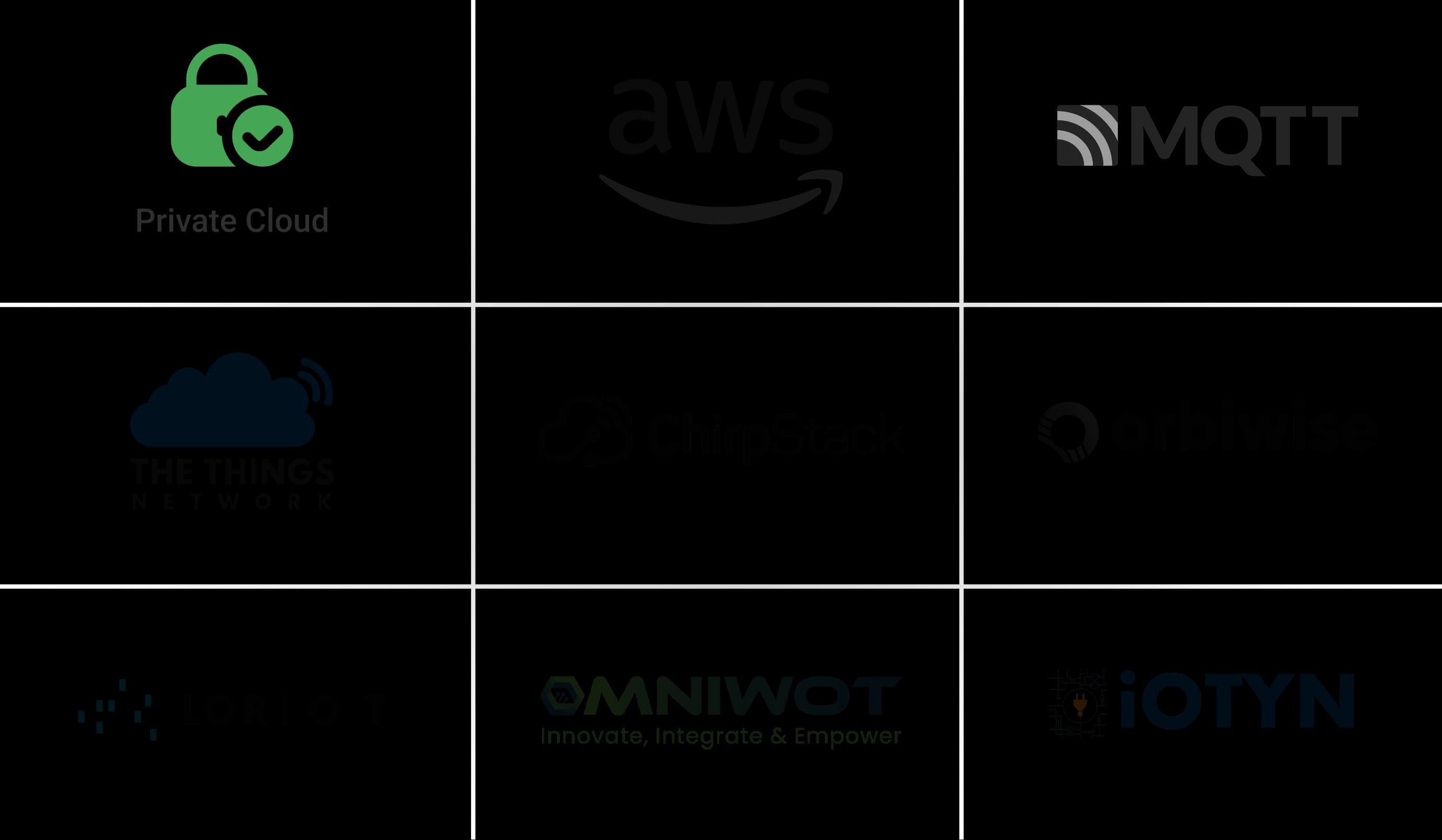
MeterLink Gen-1 joins any LoRaWAN® network server — ChirpStack, The Things Network, Orbiwise, or the utility's private network server — with AES encryption end to end and no vendor lock-in. Readings, valve status and battery alerts reach the head-end, the meter data management system or the billing platform over MQTT or HTTPS.

Build the network: Setu X1 indoor LoRaWAN gateway for a block of flats · MacLink Gen-2 outdoor LoRaWAN gateway for a colony or an area · Gateway and coverage calculator · LoRaWAN battery life calculator · LoRaWAN against cellular: the technology selector
Device-to-device
Monitor Smarter with Macnman
Why Choose the Macnman LoRaWAN® Gas Meter Module
Retrofit reading, prepaid enforced at the meter, an inline valve and a ten-year cell, on gateways the utility owns.

Plug & Play
Truly plug & play — no complex setup.
Real-Time Alerts
Instant threshold alerts the moment conditions drift.
Long-Range
Long-range coverage for hard- to-reach places.
RF performance
Reliable in Meter Cabinets, Kitchens and Basements
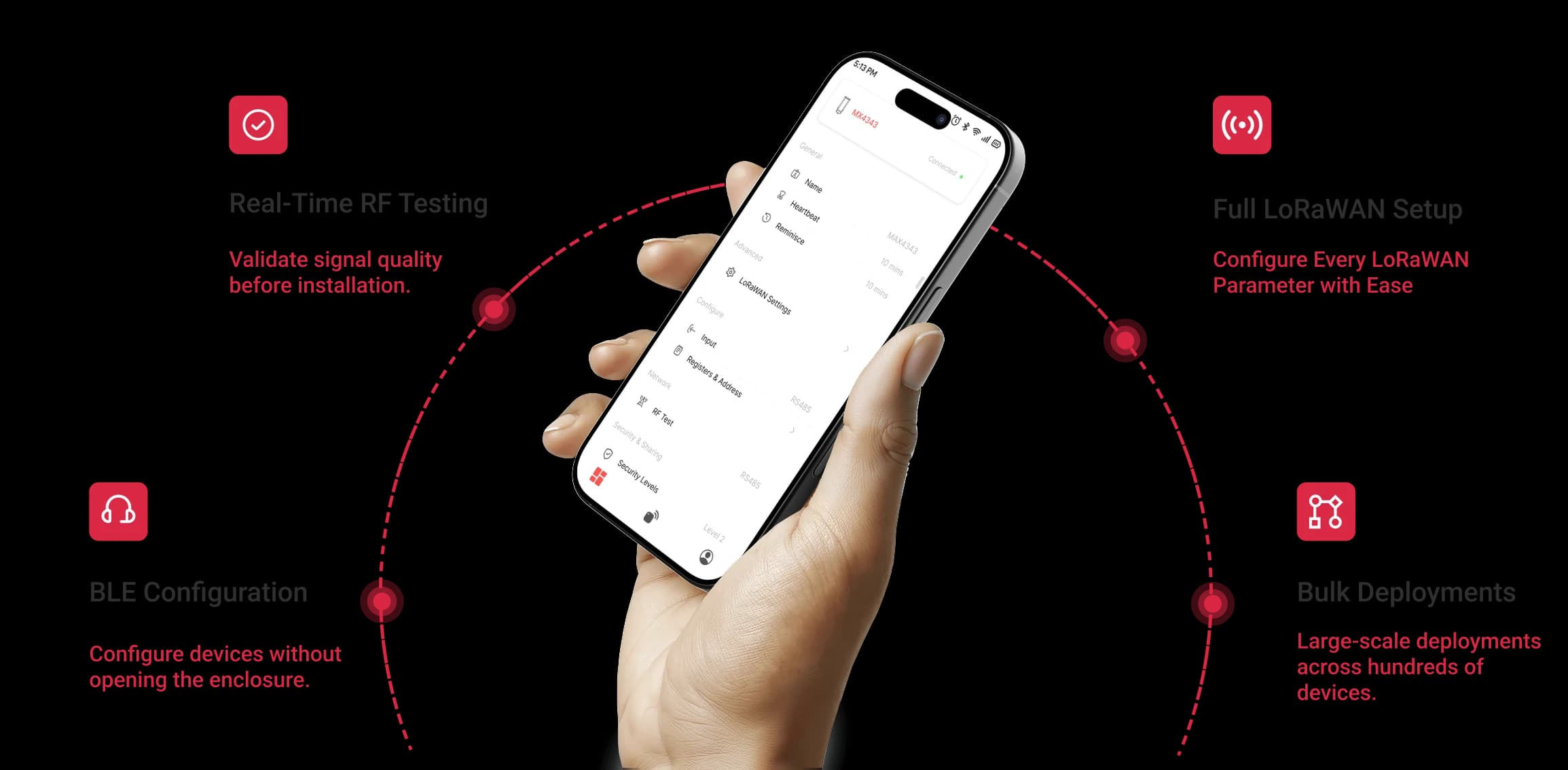
At 23 dBm on LoRaWAN®, a module in a kitchen or a meter cabinet reaches an indoor gateway in the same block or a rooftop gateway on the colony; coverage in basements and behind metal cabinets is settled by a pilot in the worst building before the rollout. Reads are sent twice a day by design, and a missed read is retried on the next schedule.
Installation
Clipped On in Minutes, Reporting for Years
MeterLink Gen-1 goes on with a clip onto the meter's reed output and an inline valve fitted by the utility's technician. With no meter change, no SIM and no power at the point, a society or an area can be converted at the pace of the technician's rounds.
MeterLink Gen-1 goes on with a clip onto the meter's reed output and an inline valve fitted by the utility's technician. With no meter change, no SIM and no power at the point — a society or an area can be converted at the pace of the technician's rounds.
Installation
On the meter in minutes, reporting for years.
Fit the module and the valve
The CGD's authorised technician clips the module onto the meter's reed pulse output and fits the inline shutoff valve under the utility's safety procedure, with the supply isolated and restored as that procedure requires.
Provision over LoRaWAN
The module joins the utility's network server by OTAA with its pre-loaded keys and is linked to the consumer account in the head-end.
Set the credit and the schedule
Prepaid credit is sent by downlink and held in the module; the uplink schedule is set to the billing need and the command latency the utility accepts.
Commission against the index
Record the mechanical index beside the module's count at installation and at the first billing read, and keep the pair with the account; the index remains the legal register.
Range & reliability
Long-Range LoRaWAN® Coverage Across the Society, the Colony or the Area
One gateway reaches meters spread over a block, a colony or an area of a city gas network
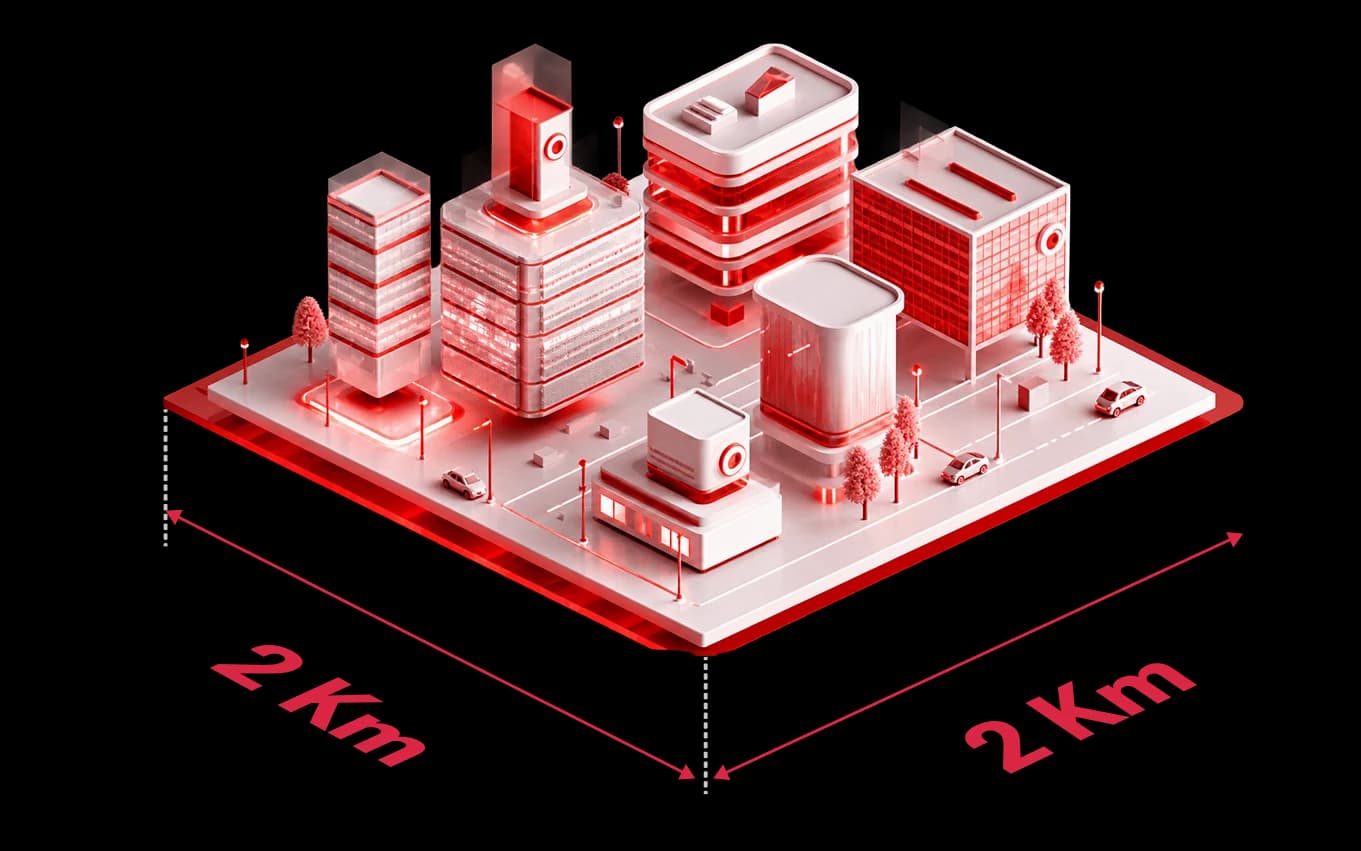
At 23 dBm, an indoor gateway serves the meters of a block of flats and a rooftop MacLink Gen-2 serves a colony or a part of a geographical area, so a rollout runs on gateways the utility owns rather than a SIM per meter. Coverage inside kitchens, meter cabinets and basements depends on the building; the coverage calculator gives a first estimate and a pilot in the worst building confirms the gateway count.
Made in India
A LoRaWAN gas meter module made in Pune, India
Utilities in India get the IN865 plan as standard, a WPC compliant radio, and an engineer in Pune who answers during the Indian working day. Export projects take the same module on EU868.
Made in India
Utilities in India get the IN865 plan as standard, a WPC compliant radio, and an engineer in Pune who answers during the Indian working day. Export projects take the same module on EU868.
IN865 as standard
Shipped on the 865–867 MHz LoRaWAN® plan for India; EU868 for export projects.
WPC compliant radio
The LoRaWAN® radio is WPC compliant for use in India and the hardware conforms to RoHS.
Built in Pune
Designed, assembled and tested at one site in Pune, where the support engineers also sit.
Next steps: LoRaWAN in India: the IN865 band and WPC rules · Request a pilot kit · All LoRaWAN converters and controllers · Industrial IoT manufacturer in India
What Macnman states
MeterLink Gen-1: What Is Stated Today, and What Is Confirmed per Project
The page claims only what Macnman states for the module. The rest is listed so a tender team knows what to ask for, not guessed.
| Item | Stated | Confirmed per project |
|---|---|---|
| Reading method | Reed pulse output of the meter; mechanical index stays the legal register | Pulse weight per meter model; optical index reading |
| Meter compatibility | G1.6 diaphragm meters | G2.5, G4, G6 and ultrasonic meters |
| Prepaid | Credit by downlink, balance enforced in the module | Tariff and top-up integration with the utility's billing system |
| Shutoff valve | Inline at the meter, driven by the module; closes on zero credit or secure command | Valve type, pressure rating, re-open procedure as the CGD's safety rules require |
| Battery | 6,000 mAh Li-SOCl₂ cell; about ten years at two uplinks a day (estimate) | Life at faster schedules |
| Radio | LoRaWAN® Class A, 23 dBm, IN865 and EU868, OTAA, AES encryption | LoRaWAN specification version; other regional plans |
| Alerts | Valve and battery status over LoRaWAN | Tamper and removal detection; the full alert set |
| Enclosure | IP65, mounted on the meter | Operating temperature, dimensions, weight |
| Compliance | WPC compliant radio; RoHS | Nothing further is claimed: no metrological or hazardous-area approval for the module |
The documentation site's page for this product currently shows a gateway specification block in error; the figures in the left column are Macnman's for the module, and the specification sheet is supplied on request.
Meter sizes
Diaphragm Meter Sizes, Their Flows, and Where MeterLink Gen-1 Fits
Indian domestic PNG connections run on G1.6 diaphragm meters; commercial consumers step up through G2.5, G4 and G6. The module's stated fit is G1.6; the rest is on request.
| Size | Maximum flow (conventional) | Where it is found | MeterLink Gen-1 |
|---|---|---|---|
| G1.6 | 2.5 m³/h | Domestic kitchens under a city gas network | Supported: reed pulse reading, prepaid, inline valve |
| G2.5 | 4 m³/h | Large homes, small eateries | On request |
| G4 | 6 m³/h | Hotels, canteens, hostels | On request |
| G6 | 10 m³/h | Small industry, large kitchens | On request |
| G10 and above, rotary, turbine, ultrasonic | 16 m³/h and up | Industrial consumers | Modbus meters through the MacSync LX1 RS485 converter |
Maximum flows are the conventional values for diaphragm meter sizes; the meter's nameplate governs. Pulse weight per revolution differs by meter model and is set at commissioning.
City gas distribution in India
What India's Gas Regulator Is Asking For, and Where a Retrofit Module Fits
Quoted from PNGRB and Press Information Bureau publications linked below, as context for a utility's decision. Macnman claims no conformity, empanelment or approval under any of them.
City gas distribution in India
Quoted from PNGRB and Press Information Bureau publications linked below, as context for a utility's decision. Macnman claims no conformity, empanelment or approval under any of them.
1.74 crore connections, 62 lakh of them unbilled
PNGRB's March 2026 MIS lists 1.69 crore domestic PNG connections, of which 1.07 crore are billed, across 312 geographical areas and 748 districts; the PIB factsheet of September 2026 puts connections at 1.74 crore. A meter read twice a day with prepaid credit enforced at the meter is how the billed share rises.
The April 2026 smart-metering roadmap
PNGRB's roadmap defines a smart domestic PNG meter by two-way communication, prepaid functionality and a shut-off valve, judges smart diaphragm meters the most feasible route, evaluates NB-IoT, LoRa and GPRS for communication, recommends prepaid smart meters on all new domestic connections and phased replacement from FY2026-27, and proposes that every domestic meter fitted after 1 April 2030 be smart. It cites industry data of about 9 % of consumers defaulting.
What the module adds, and does not claim
MeterLink Gen-1 adds the two-way communication, the prepaid enforcement and an inline valve to an installed G1.6 meter; the meter keeps its register and its approval. Whether a retrofit meets a tender written around the roadmap is the tender's call; nothing is claimed here.
The standards a tender cites
PNGRB's T4S regulations reference OIML R 137 and EN 1359 for diaphragm meters; OIML R 137 treats a communication device as an ancillary device not necessarily under metrological control; BIS IS 14439 covers diaphragm gas meters; EN 1359 points to EN 16314 for electronic indexes, batteries and valves in the meter. The table below lists them with what each means for a retrofit.
Sources: Press Information Bureau factsheet, September 2026: 309 geographical areas, 1.74 crore domestic PNG connections, PNG incentive scheme · PNGRB CGD MIS report, March 2026: connections, billed connections, districts · PNGRB roadmap for smart domestic PNG metering, April 2026 · PNGRB T4S regulations for CGD networks, consolidated July 2025 · PNGRB third-party audit checklist for T4S (CGD) · BIS report on gas meters (IS 14439 and market certification) · OIML R 137-1 and 2 (2012), gas meters · LoRa Alliance, LoRaWAN for smart utilities · The Things Network device repository, gas meter devices listed · MeterLink Gen-1 product documentation
Ways to read a gas meter
Retrofit Module, New Smart Meter, Walk-By AMR or Manual Reading: What Each Gives a Utility
Four ways a CGD gets a reading today, with our weaker rows left in.
| Compare | MeterLink Gen-1 retrofit (LoRaWAN) | New smart meter (cellular or LoRaWAN built in) | Walk-by or drive-by AMR | Manual meter reading |
|---|---|---|---|---|
| Meter change | None: the installed G1.6 meter and its index stay | Full replacement, new register and certificate | Often a new meter or a radio index | None |
| Reading | Twice a day by design, more if the schedule allows | Daily or more, per the meter's design | When the reader passes with the receiver | A few times a year, estimated between |
| Prepaid and remote shutoff | Credit enforced in the module; inline valve on command at the next uplink | Usually built in, with an integrated valve | No | No |
| Recurring cost per meter | None on the utility's own gateways | A SIM and a plan per meter where cellular | Reader's time per round | Reader's time per round |
| Battery | 6,000 mAh, about ten years at two uplinks a day (estimate) | Per the meter maker | Per the radio index | None |
| Metrology | Stays with the meter; none claimed for the module (our weaker row) | The new meter's approval | The meter's | The meter's |
| Command latency | Up to the uplink interval, twelve hours at two a day (our weaker row) | Per the meter's design | None | None |
| Where it fits | A sound installed base of G1.6 meters that must become smart and prepaid without replacement | Meters due for replacement, larger sizes, integrated valves | Utilities that only need faster manual rounds | The baseline |
The other three columns describe the categories, not one product. Most CGD rollouts mix retrofit and replacement; the LoRaWAN gateways serve both when the new meters are LoRaWAN.
Class A arithmetic
Uplink Schedule Against Command Latency and Battery
A Class A device executes a queued downlink at its next uplink. The schedule is therefore a trade between how fast a valve command must act and how long the cell lasts.
| Uplinks a day | Worst-case command latency | Battery | Typical use |
|---|---|---|---|
| 2 | Up to 12 hours | About ten years on the 6,000 mAh cell (Macnman estimate) | Billing reads and prepaid enforcement, the design point |
| 4 | Up to 6 hours | Shorter; sized per project | Utilities that want same-shift disconnection |
| 24 | Up to 1 hour | Shorter still; sized per project | Commercial consumers with hourly analytics |
| 96 | Up to 15 minutes | Sized per project | Pilots and high-value consumers |
Latency figures are the uplink interval; the only battery figure Macnman states is the ten-year estimate at two uplinks a day. Prepaid cut-off does not depend on the network: it happens in the module when the balance reaches zero.
LoRaWAN or NB-IoT
A LoRaWAN Retrofit Module on the Utility's Gateways or an NB-IoT Module on an Operator's Network
PNGRB's roadmap evaluates NB-IoT, LoRa and GPRS; the two retrofit routes a CGD actually chooses between today, with our weaker rows left in.
| Compare | LoRaWAN module on the utility's gateways (MeterLink) | NB-IoT module on a telecom operator's network |
|---|---|---|
| Who owns the network | The utility: gateways, network server and data | The operator: SIM per meter, operator core, operator contract |
| Recurring cost per meter | None for connectivity; the gateways are capital | A SIM and a plan per meter for the life of the meter |
| Coverage inside kitchens, cabinets and basements | Planned by the utility: an indoor gateway per block or a rooftop gateway per colony, settled by a pilot (our weaker row: coverage is the utility's job) | The operator's coverage, which it claims widely but which a basement still tests |
| Command latency | At the module's next uplink, up to the uplink interval; credit enforcement is local | Deferred by the module's power-saving cycle; operator dependent |
| Battery claims | About ten years at two uplinks a day (Macnman estimate) | Makers claim five to ten years |
| Data route | Network server to head-end or MDM over MQTT or HTTPS | Operator platform to head-end |
| Lock-in | Open LoRaWAN; any network server, any gateway maker | Operator contract and modem certification |
| Where it fits | A CGD that wants to own its metering network and pay no per-meter rental | A CGD that prefers to buy connectivity as a service |
The NB-IoT column describes the category as makers and operators present it, not one product.
Standards and regulators
The Regulations and Standards a Smart Gas Metering Tender Cites, and What Each Says About a Retrofit Module
Context for a tender team, from the documents linked above; none of them is claimed as a conformity of the module.
| Document | What it covers | What it means for MeterLink Gen-1 |
|---|---|---|
| PNGRB T4S regulations for CGD networks (2008, consolidated 2025) | Scope runs up to the final isolation valve of a domestic installation; the consumer meter is preferably on the wall outside the kitchen; diaphragm meters are referenced to OIML R 137 and EN 1359 | A valve added at the meter is part of the CGD's regulated installation, fitted and audited under its procedure |
| PNGRB roadmap for smart domestic PNG metering (April 2026) | Two-way communication, prepaid functionality and a shut-off valve define a smart meter; phased replacement from FY2026-27; smart only after 1 April 2030 | The module supplies all three on an installed meter; conformity with the roadmap is the tender's determination |
| PNGRB third-party audit checklist for T4S | Auditors sample domestic consumers and check the Weights and Measures approval of the consumer meter | The meter's approval and seal must stay intact; fitting is confirmed per meter model with the CGD's metrology team |
| BIS IS 14439 Parts 1 and 2 | Indian standard for diaphragm gas meters; a 2021 BIS report noted no gas meter on the market was BIS certified | The host meter's standard, not the module's |
| OIML R 137-1 and 2 (2012) | A communication device is an ancillary device, not necessarily under metrological control; a pulse generator may serve as a test element when the pulse value is marked on the meter | The reed pulse the module counts is such an output; the module is the ancillary device |
| EN 1359:2017 and EN 16314 | Diaphragm meters up to 0.5 bar working pressure; EN 16314 covers electronic indexes, batteries and valves incorporated in the meter | Certification of an inline valve sits in that family; none is claimed for MeterLink |
| LoRa Alliance, LoRaWAN for smart utilities | Names remote valve shut-off for subscription management as a gas use case; OMS and DLMS data models run over LoRaWAN | The data-model options a head-end can standardise on; Macnman supplies the decoder |
Summarised from the documents linked above, opened 25 October 2026; regulations are amended, so check the current text. The EN 16314 content was not opened and is cited by its title only.
Which Macnman device
Which Macnman Device Reads Which Meter: MeterLink, the RS485 Converter, the Analog Converter or the MacSet Controller?
Four Macnman LoRaWAN devices meet a metering question. Choose by what the meter puts out.
| Criterion | MeterLink Gen-1 (this page) | MacSync LX1 RS485 converter | MacSync LX1 analog converter | MacSet LX1 controller |
|---|---|---|---|---|
| Reads | A G1.6 diaphragm gas meter's reed pulse output | Modbus RTU registers of a gas, water or energy meter | Pulse or dry-contact outputs and 4–20 mA signals | Nothing: it switches loads on command |
| Prepaid and valve | Credit enforced in the module; inline shutoff valve | No | No | Drives valves and pumps on a platform rule |
| Power | 6,000 mAh cell, about ten years at two uplinks a day | 19 Ah battery or 9–36 V DC | 19 Ah battery or 9–36 V DC | Battery or DC |
| Choose it when | Domestic gas consumers under a CGD, prepaid or postpaid | Commercial and industrial meters with Modbus | Water and energy meters with a pulse output; transmitters | A valve or a pump must act on a rule |
| Page | This page | Product page | Product page | Product page |
A city or a campus usually runs several on the same gateways: MeterLink on the domestic gas meters, the converters on the bulk meters and the controller on the pumps.
See also: Compare MeterLink Gen-1 options · Modbus gas, water and energy meters: the MacSync LX1 RS485 converter · Pulse and dry-contact water and energy meters: the MacSync LX1 analog converter · Valves and pumps on command: the MacSet LX1 controller · Hydrogen sulphide, ammonia, oxygen and ethylene: the MacSync gas sensors
Application map
CGD Area, Housing Society, Villa Colony, Hostel Kitchen and Small Industry: How MeterLink Is Deployed
Each row is a consumer type found in most Indian city gas networks, with the gateway that usually serves it and how the module is set.
| Consumer type | What is read | Gateway and placement | Schedule and model |
|---|---|---|---|
| Domestic consumers across a CGD area | G1.6 meters, one module each | MacLink Gen-2 on rooftops or towers per part of the area; Setu X1 inside dense blocks | Two uplinks a day; prepaid or postpaid as the utility chooses |
| Apartment blocks and societies | Meters in cabinets and kitchens | Setu X1 per block or per few floors; pilot in the worst building | Two uplinks a day; prepaid with valve |
| Villa and row-house colonies | External-wall meters | One MacLink Gen-2 per colony | Two uplinks a day |
| Hostels, hotel and canteen kitchens | G1.6 meters today; larger sizes on request | Setu X1 in the building | Four to twenty-four uplinks a day for analytics |
| Small industry and shops | G1.6 meters; Modbus meters via the RS485 converter | Shared with the area's gateways | Per the account |
Schedules are typical starting points, not standards; the utility sets them per account. Gateway counts come from a pilot and the coverage calculator.
Related: Smart city IoT: utility metering and the ICCC · Smart building IoT: societies and campuses · Smart water management: bulk meters and networks on the same gateways
What the utility sets
What the Head-End Sets on MeterLink Gen-1 by Downlink
The settings a utility's head-end or network server changes over the air; the exact command set is in the specification sheet supplied on request.
| Setting | What it does | Set from |
|---|---|---|
| Prepaid credit | Tops up the balance the module enforces | Head-end by downlink |
| Valve command | Closes the inline valve for non-payment, maintenance or an emergency; re-opening under the utility's procedure | Head-end by downlink, executed at the next uplink |
| Uplink schedule | Two uplinks a day by design; set per project to the command latency the utility accepts | Provisioning |
| Pulse weight | Matches the count to the meter's output; checked against the index at commissioning | Commissioning |
| Status alerts | Valve state and battery reported with the uplink | Built in |
The module joins by OTAA with pre-loaded keys; commands and data are AES encrypted under the LoRaWAN® specification.
Against the shortlist
MeterLink Gen-1 vs Four Retrofit Gas Meter Modules Sold in India
The retrofit modules an Indian CGD finds on the same search, on figures published on their own pages, opened 25 October 2026. 'Not stated' means the page is silent. Meter makers' own brands are left out of the copy.
| Criterion | Macnman MeterLink Gen-1 | Tata Communications gas metering module | Genus Intellilog g-Setu MIU | Esyasoft ES-7020-LW-4E | DSPWorks gas AMR module |
|---|---|---|---|---|---|
| What it is | Retrofit module for installed G1.6 diaphragm meters with prepaid credit and an inline valve | Retrofit module stated to fit most meters sold in India, on the operator's LoRaWAN network | Retrofit meter interface unit for diaphragm meters | LoRaWAN and wireless M-Bus hybrid retrofit for diaphragm meters | Clip-on retrofit for Indian diaphragm meters |
| Reading method | Reed pulse output of the meter | Not stated | Magnetic pulse | Not stated | Magnetic and inductive sensing of the index drum, no seal break |
| Prepaid and valve | Prepaid credit enforced in the module; inline shutoff valve | No | No | No | No |
| Battery claim | 6,000 mAh Li-SOCl₂; about ten years at two uplinks a day (estimate) | Five years average; 15 µA sleep | Ten years, 3.6 V Li-SOCl₂; six-month memory | Up to seven years at 4 to 22-hour intervals | Ten years at 6 to 24-hour reads |
| Radio and bands | LoRaWAN Class A, 23 dBm, IN865 and EU868, OTAA, AES | LoRaWAN 1.0 on the operator's network | LoRaWAN or NB-IoT, 865–868 MHz, WPC ETA | LoRaWAN EU868 at 14 dBm; wireless M-Bus with AES-128 | NB-IoT and LoRa dual mode |
| Ingress and hazardous-area statements | IP65; WPC and RoHS; no hazardous-area approval claimed | EN 300220-1; hazardous-area approval described as ongoing | IP65; page claims IECEx, ATEX, PESO, WPC, RCM | IP65; 300 g; 10–60 °C | IP67 |
| Tamper reporting | Not stated; valve and battery status reported | Removal and magnetic tamper | Not stated | Not stated | Magnet, vibration and case removal |
| Where sold | India; designed and made in Pune | India | India | India and Europe | India, two CGDs named |
Sources are the pages linked below, opened 25 October 2026. Competitor figures are quoted as published and may change; the MeterLink figures are Macnman's. Hazardous-area claims are the makers' own and were not verified.
Sources: Tata Communications IoT, gas metering module page · Genus Power, smart gas meter page and Intellilog datasheet · Genus Intellilog g-Setu datasheet (PDF) · Esyasoft, smart meter module page · DSPWorks, gas AMR module page · MeterLink Gen-1 product documentation
FAQ
MeterLink Gen-1 LoRaWAN Gas Meter Module: Frequently Asked Questions
A battery-powered device that clips onto an installed mechanical gas meter, counts the pulses the meter's reed switch produces as gas flows, and sends the consumption over LoRaWAN® to the utility's gateway. The meter is not replaced and its mechanical index stays the legal register. MeterLink Gen-1 adds prepaid credit enforced in the module and an inline shutoff valve.
G1.6 diaphragm meters, the size fitted to most domestic PNG connections, through their reed pulse output. Larger sizes, G2.5, G4 and G6, and ultrasonic meters are confirmed on request; Modbus meters are read through the MacSync LX1 RS485 converter on the same network.
Through the meter's reed pulse output: a magnet on the index drum closes a reed switch once per revolution, and the module counts those pulses and keeps a running total. The pulse weight is set to the meter's output at commissioning and the count is checked against the mechanical index, which remains the legal reading.
No, and it does not need to replace the meter's: the installed meter keeps its register and its approval, and the module reports a count derived from that meter. Macnman claims no metrological or hazardous-area approval for the module; the radio is WPC compliant and the hardware conforms to RoHS.
The module is fitted externally and counts the meter's reed pulse output; the meter's register, seal and approval are meant to stay untouched, and PNGRB's third-party audit checks exactly that approval on sampled domestic meters. Whether a particular meter model's reed output is reachable without disturbing its seal is confirmed per model with the CGD's metrology team before a rollout, not assumed.
The utility sends credit to the module by downlink. The module keeps the balance, decrements it as pulses arrive and closes the inline valve the moment the balance reaches zero, without waiting for the network. A top-up reaches the module at its next uplink and the utility restores supply under its own procedure.
Yes: a secure command from the head-end closes the inline valve for non-payment, maintenance or an emergency. Because the module is a Class A device, the command is executed at its next uplink, which at two uplinks a day may be up to twelve hours later; utilities that need faster disconnection set a faster schedule. Restoring supply follows the CGD's safety procedure.
When prepaid credit reaches zero the inline valve closes at the meter, at whatever hour that is; the consumer recharges, the utility sends the credit, and supply is restored under the CGD's own procedure for re-opening a domestic connection, which includes purging and re-lighting because a closed line holds air. The procedure, and whether a local confirmation is required before re-opening, is the utility's and is agreed at the pilot.
No. The valve is fitted inline at the meter by the utility's authorised technician and driven by the module. Its type and pressure rating are confirmed on the specification sheet; this page does not claim them.
Macnman rates the 6,000 mAh Li-SOCl₂ cell at about ten years at two uplinks a day, the design schedule for billing reads. Faster schedules draw more and are sized per project; the battery level is reported with each uplink so replacement is scheduled, not discovered.
Two reads a day are enough for daily billing, consumption analytics and zero-consumption checks, and they are what the ten-year estimate is based on. The schedule can be faster where a utility wants shorter command latency or hourly analytics, at the cost of battery life, sized per project.
Meters sit in kitchens, meter cabinets and basements, so coverage is a building question more than a distance one. At 23 dBm, an indoor Setu X1 gateway usually serves a block of flats and a rooftop MacLink Gen-2 a colony or part of an area; a pilot in the worst building settles the gateway count before the rollout, and the coverage calculator gives a first estimate.
No. MeterLink runs on LoRaWAN® gateways the utility owns, so there is no SIM and no recurring connectivity charge per meter. The gateways backhaul over the utility's Ethernet, Wi-Fi or a single cellular link per gateway.
Any LoRaWAN® network server: ChirpStack, The Things Network, Orbiwise or the utility's private network server, joining by OTAA with AES encryption. From the network server the readings, valve state and battery alerts reach the head-end, the meter data management system or the billing platform over MQTT or HTTPS; decoding is documented with the product.
Class A: the module listens for a downlink only after each uplink, so a command is executed at the next scheduled uplink, up to twelve hours at two uplinks a day. A faster schedule shortens that at the cost of battery and is sized per project; Class C operation is not stated for this module and is confirmed on request.
Each module ships with pre-loaded OTAA keys; the JoinEUI and key handling are agreed per project with the utility's network server team. Decoding is documented with the product and supplied for ChirpStack, The Things Network or a private network server; The Things Network device repository does not yet list Macnman devices.
It depends on how the meters are housed, not on the count: an indoor gateway per block of flats and a rooftop gateway per colony is the usual shape, and dense towers with meters in basements need more. A pilot of a few dozen modules in the hardest building, read for two billing cycles, settles the gateway count before the rollout; the coverage calculator gives the first estimate.
Not stated on the current documentation, so this page does not claim over-the-air firmware updates for this module; ask when ordering and we confirm in writing.
IN865 for India and EU868 for export projects. LoRaWAN in India uses the delicensed 865–867 MHz band, so a utility runs its own gateways without a spectrum licence; the module is WPC compliant and RoHS conforming.
The module is a low-power radio and counter mounted on the meter body, fitted by the utility's authorised technician under its safety procedure with the inline valve. Macnman claims no hazardous-area approval for it; where a site's classification requires approved equipment, the utility's rules decide. The valve closes on command and on zero credit, and supply is restored only under the utility's procedure.
No conformity is claimed. PNGRB's April 2026 roadmap defines a smart domestic meter by two-way communication, prepaid functionality and a shut-off valve, and MeterLink adds those three to an installed meter; the T4S regulations and BIS IS 14439 govern the meter and the installation, which the CGD owns. Whether a retrofit satisfies a tender written around the roadmap is the tender's determination; the standards table on this page lists what each document says.
Valve and battery status are reported with every uplink. Tamper and removal detection are confirmed on the specification sheet supplied on request rather than claimed on this page.
Valve state and battery status are reported with every uplink. Magnet, removal, reverse-flow and case-opening detection are not stated on the current documentation, so this page does not claim them; they are confirmed on the specification sheet supplied on request.
The module is rated IP65. Operating temperature, dimensions and weight are not stated on the current documentation, so this page does not claim them; the specification sheet is supplied on request.
MeterLink is built for gas meters. Water and energy meters with a pulse or dry-contact output are read by the MacSync LX1 analog converter, and Modbus meters by the MacSync LX1 RS485 converter, on the same LoRaWAN gateways.
A gas meter module counts consumption through the meter; a gas sensor measures a gas concentration in the air. For hydrogen sulphide, ammonia, oxygen and ethylene monitoring, see the MacSync gas sensors; MeterLink does not detect leaks.
Retrofit where the installed G1.6 meters are sound and have a reed pulse output: the rollout is a clip-on visit per consumer with no meter change and no new certificate. Replace where meters are due anyway, where the size is above G1.6, or where an integrated valve is wanted. Most CGD rollouts mix both, and the LoRaWAN gateways serve both when the new meters are LoRaWAN.
The CGD's authorised technician clips the module onto the meter's reed pulse output and fits the inline valve under the utility's safety procedure. The module joins the network server by OTAA with its pre-loaded keys, is linked to the consumer account, receives its credit by downlink, and its count is recorded beside the mechanical index at installation and at the first billing read.
Yes. MeterLink Gen-1 is designed and manufactured in Pune, Maharashtra. The radio is WPC compliant for the IN865 band and the hardware conforms to RoHS. No metrological, hazardous-area or other approval is claimed for the module.
Four lines, and the module is only one: the number of consumers; prepaid with valve or postpaid reading at each; the gateways, which depend on how the meters are housed and settled by a pilot; and the integration into the head-end or MDM. To quote, send the meter base with makes and sizes, prepaid or postpaid per segment, where the meters sit, the head-end the reads must reach and the command latency you accept. With that we confirm the modules, the gateway plan and the schedule.
Yes, and it is the recommended way in: a few dozen modules on the society or the block that is hardest to cover, one or two gateways, your own network server and head-end, through two billing cycles, with the mechanical index read beside the module each cycle. The rest of the area joins the same gateways afterwards.
MeterLink Gen-1 is supplied as a retrofit module for installed meters. Meter makers who want the radio and the prepaid logic inside a new meter should ask about Macnman's LoRaWAN modules and an OEM arrangement; the reed input, pulse weight and valve drive are agreed per meter design.
The meter base with makes and sizes, prepaid or postpaid per segment, where the meters sit, the head-end or MDM the reads must reach and the command latency you accept. With that we confirm the modules, the gateway plan and the schedule, and quote the system rather than a device in isolation.
More from Macnman
What Else Do We Build at Macnman
 New
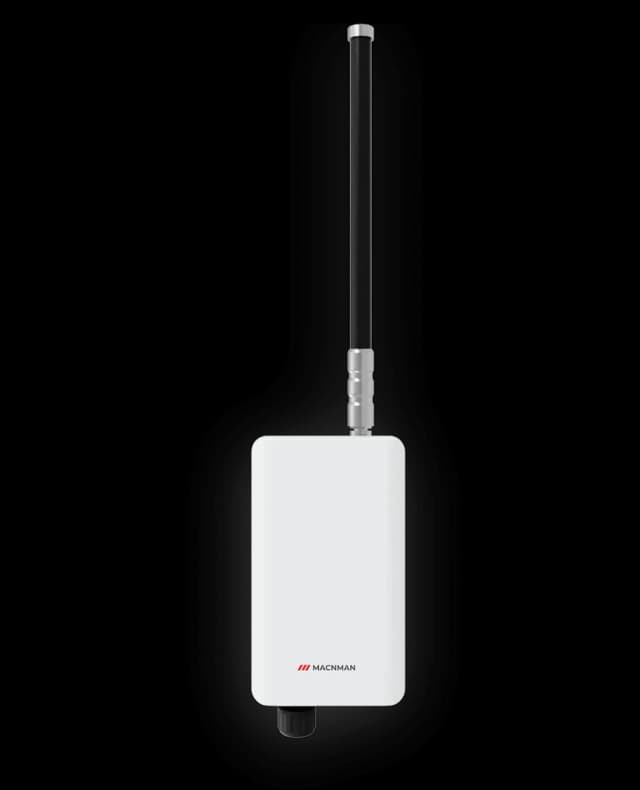
Maclink Gen-2
LoRaWAN Outdoor Gateways
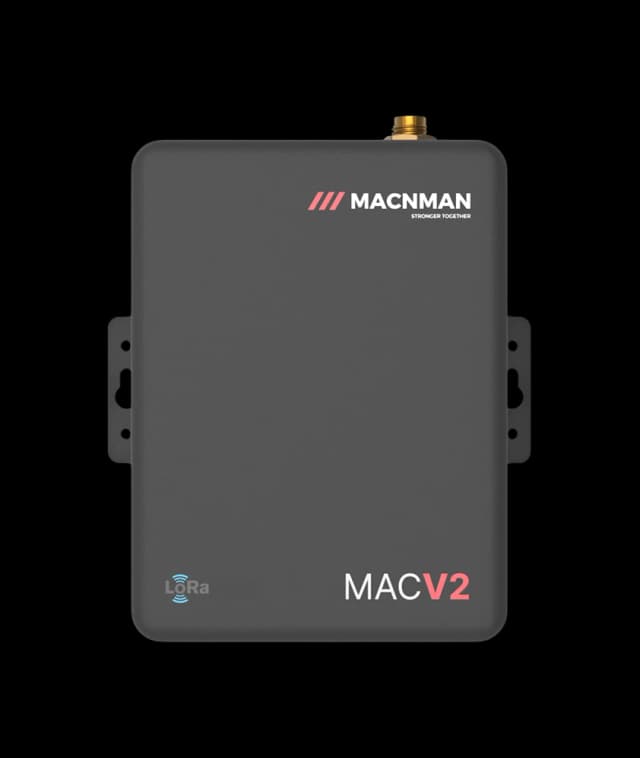
MacEge 4G Mini Gateway
4G Lte Gateways
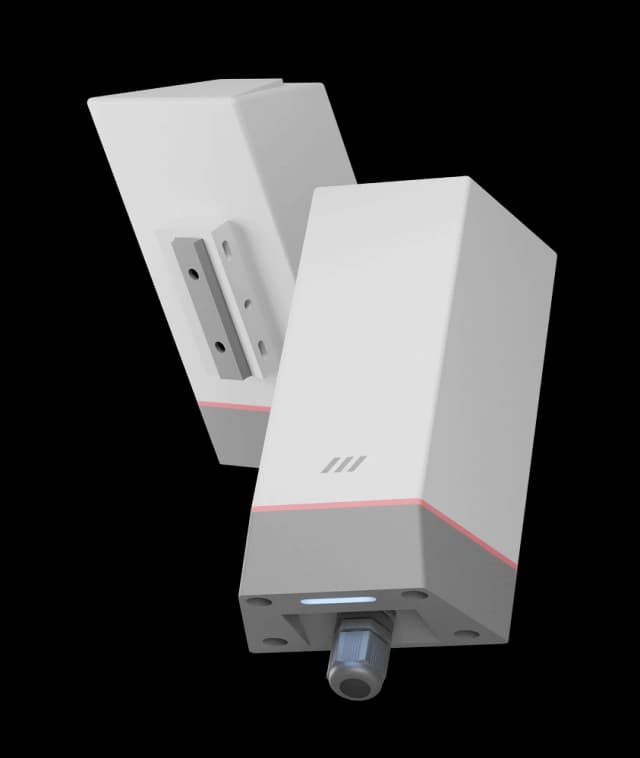 Hot Selling
MacSync LX1
RS485 Modbus to LoRaWAN Converter
MacSync LX1
Analog 4-20mA to LoRaWAN Converter
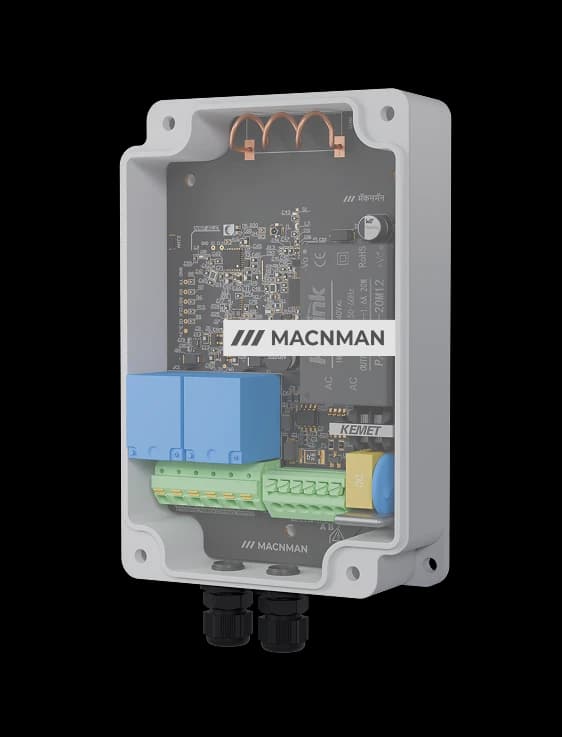 New
MacSet
RS485/Analog + Relay Output
 Hot Selling
Setu X
LoRaWAN Indoor Gateways
NewMaclink Gen-2
LoRaWAN Outdoor Gateways
MacEge 4G Mini Gateway
4G Lte Gateways
Hot SellingMacSync LX1
RS485 Modbus to LoRaWAN Converter
MacSync LX1
Analog 4-20mA to LoRaWAN Converter
NewMacSet
RS485/Analog + Relay Output
Hot SellingSetu X
LoRaWAN Indoor Gateways
Let‘s make it easy - reach out now!
Let’s bring it to life!
Let‘s Make it Easy
Reach Out Now


We are always ready
to help and
answer your
questions
Call
+91 7972856163
+91 9096830856
Location
Office-15 Bibwewadi, Pune, Maharashtra 411037
Get in Touch
Define your goals and all to value your time
Use of this website and purchase of Macnman products are subject to our Terms and Conditions.